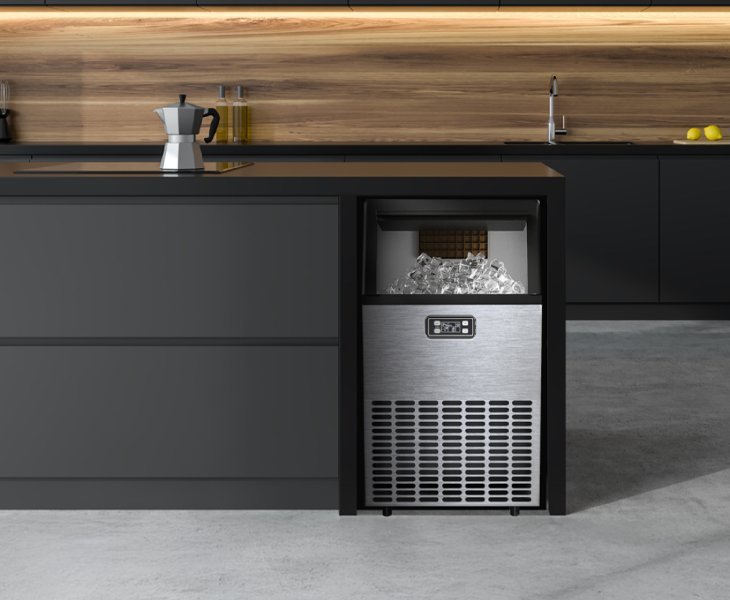
If you are wondering how long does a countertop ice maker last, expect 2 to 5 years depending on water quality and cleaning frequency. Neglecting maintenance often causes the internal pump to fail in under 24 months.
How long does a countertop ice maker last?
What happens if you skip it
Skipping regular maintenance causes mineral deposits to harden inside the internal water lines and pump. These deposits, often called limescale, act as a barrier that forces the motor to work harder to circulate water. Within a few months, you’ll notice the machine becoming louder than when it was new. If you continue to ignore this, the pump will eventually seize or burn out entirely. After the pump fails, the cooling system may also become clogged with debris, which often makes the cost of repair higher than buying a new unit. Check the documentation that came with your specific model to see the manufacturer’s recommended descaling schedule.
The signs it’s overdue
- The machine makes a loud grinding noise during the ice-harvesting cycle.
- Ice cubes come out hollow or thinner than they were when the unit was new.
- The water reservoir shows a white, chalky film at the bottom.
- The ice tastes metallic or resembles the smell of old refrigerator air.
- The cycle takes longer than 15 minutes to produce a single batch.
- The indicator light for “Add Water” stays on even when the tank is full.
What it takes each time
Cleaning takes about 20 minutes and requires only white vinegar and fresh water. You don’t need expensive tools; just mix a solution of one part vinegar to ten parts water. Pour this into the reservoir and run a standard cycle, then discard the ice. Run the cycle two more times using only clean, fresh water to remove any lingering vinegar taste. This simple habit prevents mineral buildup from damaging the pump. Check your user manual for specific warnings, as some models have internal sensors that vinegar can affect if left for too long.
How to go longer between times
- Use distilled water instead of tap water to prevent mineral buildup inside the lines.
- Drain the reservoir completely after every use to stop bacteria from growing in standing water.
- Wipe the interior basket with a soft cloth once a week to remove any trapped moisture.
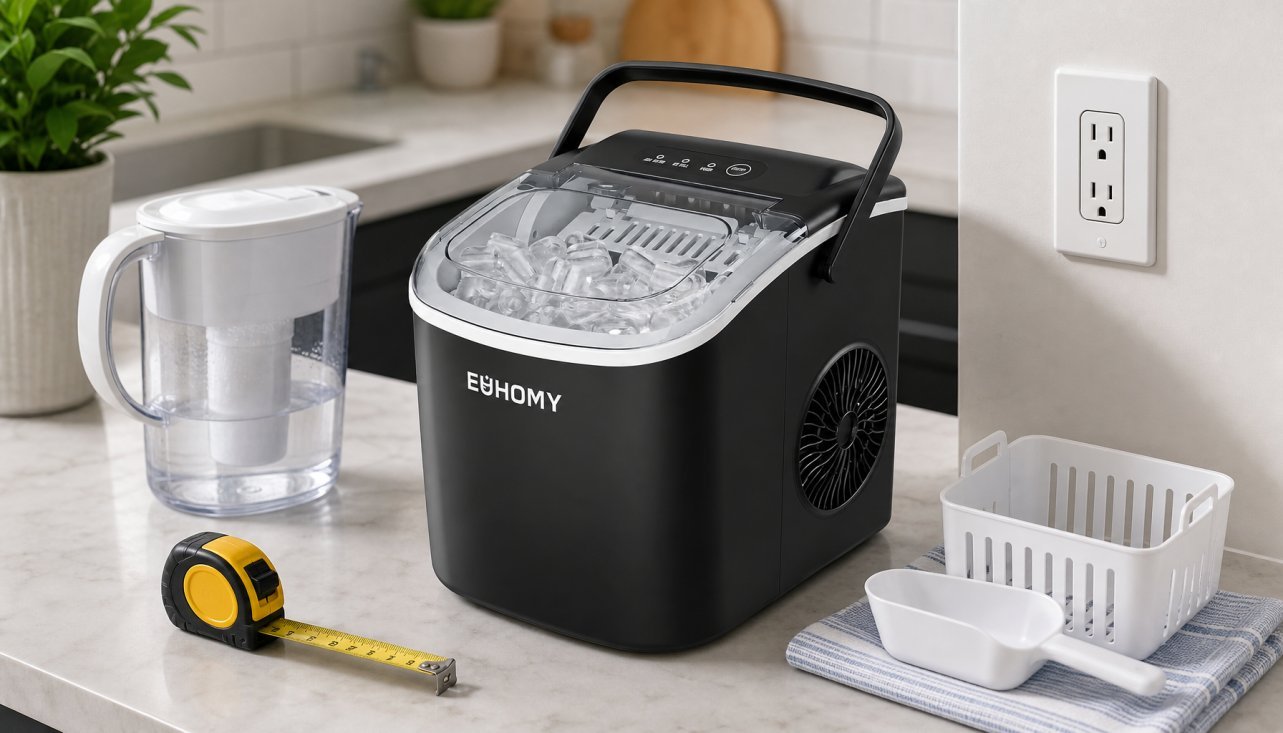
- Keep the unit at least 6 inches away from walls to ensure the cooling fan has enough airflow.
- Place the machine away from heat sources like ovens, which forces the compressor to run longer.
Frequently asked questions
Can I use lemon juice to clean my ice maker?
No, you should stick to white vinegar because lemon juice contains sugars and pulp that can leave residue behind, potentially clogging the internal sensors and water lines of your machine.
Why is my ice maker leaking water?
Leaking usually happens because the drain plug is loose or the internal seal has worn out; check the drain plug at the base of your unit to ensure it’s tight.
How long should a batch of ice take?
Most countertop models produce a batch of ice in 7 to 15 minutes, but this varies by model — check the label on your specific unit for the manufacturer’s rated cycle time.
Is it safe to leave the ice maker on all day?
Yes, it’s safe to leave it plugged in, but the machine will consume more electricity and wear out faster if it’s constantly running to keep the ice bin full.
Does it matter if I use bottled water?
Yes, using bottled or filtered water is better than tap water because it contains fewer minerals, which directly extends the life of your pump by preventing hard water scale buildup.
What happens if I use soap in the tank?
Never use soap inside the water tank, as it’s nearly impossible to rinse out completely and will leave a chemical taste in every future batch of ice you make.
What to do next
Start by running a descaling cycle with a vinegar solution today to clear any hidden mineral buildup. You’ll know it worked if the ice cubes appear clear and the cycle noise decreases. If the machine still fails to cycle, consult a professional repair technician.
Related guides