Finding the best coffee for home roasting depends on your personal taste and experimentation. The Bodhi Green Coffee Sampler is ideal for comparing five distinct origins, while the Roastika Ethiopia Yirgacheffe is perfect for mastering a classic, floral, and bright cup.
As an Amazon Associate, we earn from qualifying purchases. This post contains affiliate links – if you buy through them, we may earn a commission at no extra cost to you.
1. Bodhi Green Coffee Sampler

Best for: Someone who wants to explore how different origins affect roasting results.
This sampler provides five different specialty-grade beans, which is perfect for building your skills. You get to see how beans from El Salvador, Tanzania, Sumatra, Honduras, and Guatemala behave under heat. Because you have a full pound of each, you have enough to make mistakes and learn from them without committing to a large bulk purchase of one type.
The beans are graded by licensed Q Graders, which helps ensure quality across the pack. It’s a tool for exploration that lets you find your favorite region through trial and error.
Good if:
- You’re a beginner wanting to experiment with roasting.
- You want to compare diverse flavor profiles side-by-side.
- You enjoy having variety in your home coffee supply.
Skip it if:
- You have a very specific flavor preference you already know.
- You need a large quantity of a single coffee origin.
2. Roastika – Ethiopia Yirgacheffe – Premium Green Coffee Bean

Best for: A home roaster who loves bright, floral, and citrus-forward coffee.
This Ethiopian selection is famous for its clean, sweet, and floral notes. It’s a high-altitude bean that handles a medium roast well, bringing out a smooth, silky body. If you’re looking for that classic Yirgacheffe profile, this is a straightforward, single-origin choice.
The moisture content is listed at 10.6%, which is a detail that helps you monitor your roast timing. This product isn’t for those who prefer heavy, earthy, or dark-roast coffee, as its profile is much lighter and more delicate.
Good if:
- You enjoy light or medium roasts with floral notes.
- You want a high-scoring specialty coffee bean.
- You prefer a clean aftertaste in your morning cup.
Skip it if:
- You prefer dark, bold, or chocolatey roasts.
- You want a low-acidity coffee for espresso.
3. Smokin Beans Sumatra Mandheling

Best for: Someone wanting to roast a heavy-bodied coffee for espresso.
Sumatra Mandheling is known for its low acidity and deep flavor profile, including chocolate, clove, and molasses. The wet-hulled processing creates a dark, dense bean that’s well-suited for those who like a heavy mouthfeel. Because the acidity is low, it pairs very well with milk-based drinks.
The beans are grown at 1,250 MASL, and the rugged, volcanic soil contributes to the unique taste profile.
Good if:
- You want a coffee that works well for espresso.
- You like earthy, spicy, or dark chocolate notes.
- You prefer a full-bodied cup with low acidity.
Skip it if:
- You like bright, floral, or fruity coffee flavors.
- You want a light-bodied, tea-like coffee.
4. Smokin Beans Tanzania Peaberry

Best for: A roaster who enjoys complex, lively, and citrus-forward coffee.
Peaberry beans are unique because they’re small and round, which can lead to a very even roast. This selection from Tanzania offers a lively, citrus acidity and a buttery body. It’s a sophisticated bean that rewards patience during the roasting process.
The beans are hand-picked and sun-dried at high altitudes, which allows the cherries to mature slowly.
Good if:
- You want a unique bean shape that roasts very evenly.
- You enjoy citrus and berry flavor notes.
- You want a high-altitude, specialty-grade coffee.
Skip it if:
- You prefer a very dark or oily roast.
- You want an earthy or heavy-bodied flavor profile.
5. Green Unroasted Whole Coffee Beans

Best for: Someone who values traceability and a direct-trade relationship.
These beans come from a single family-owned farm, Finca Santa Estela. The traceability is a major benefit for those who care about where their coffee is grown. The blend of Caturra, Typica, and Bourbon varieties provides a balanced cup with notes of chocolate, caramel, and nuts.
The beans are high-density, which makes them quite versatile for different roasting methods.
Good if:
- You want to know the exact farm your coffee comes from.
- You prefer a balanced, medium-bodied cup.
- You want a versatile bean that suits many brewing methods.
Skip it if:
- You only want single-varietal beans.
- You’re looking for an extreme flavor profile like intense fruit.
6. Fresh Roasted Colombian Decaf

Best for: A coffee lover who wants to roast their own decaf beans.
Finding high-quality decaf for home roasting can be difficult, but this Colombian water-processed option is built for it. The water-process method removes caffeine without adding the bitterness often found in other decaffeination methods. It’s a reliable, balanced bean that takes heat well.
Good if:
- You need to drink decaf but still want fresh coffee.
- You want a consistent, balanced, and sweet cup.
- You prefer a water-processed, chemical-free decaffeination method.
Skip it if:
- You’re looking for a high-caffeine, high-energy coffee.
- You want a complex, wild, or highly acidic flavor profile.
7. Unroasted African Variety Pack

Best for: A roaster who wants to explore three classic African profiles.
This pack covers a lot of ground with Kenya AA, Tanzania Peaberry, and Ethiopia Yirgacheffe. Each of these origins has a distinct personality, allowing you to learn the difference between Kenyan acidity, Tanzanian body, and Ethiopian florals. It’s a great kit for building a home roasting library.
The pack includes four pounds of beans, providing a substantial supply to practice your roasting technique.
Good if:
- You want to experience the best of African coffee regions.
- You’re building a collection of different flavor profiles.
- You enjoy experimenting with different roasting times.
Skip it if:
- You want a large volume of one single origin.
- You prefer earthy or low-acidity coffees.
8. Primos Unroasted Green Arabica Coffee Beans

Best for: A roaster looking for a smooth, sweet, and balanced daily drinker.
These Nicaraguan beans come from a family-run farm and are known for their consistent quality. The flavor profile is classic, with notes of chocolate, caramel, and mild citrus. It’s a very forgiving bean that works well for both light and dark roasts.
The beans are shade-grown, which allows the natural sugars to develop slowly.
Good if:
- You want a smooth, sweet, and consistent coffee.
- You prefer a balanced cup that isn’t too acidic.
- You want to support a direct-trade, family-farmed product.
Skip it if:
- You’re looking for a complex, acidic, or fruity coffee.
- You prefer heavy-bodied, earthy beans.
9. Excelsa Vietnam Green Beans
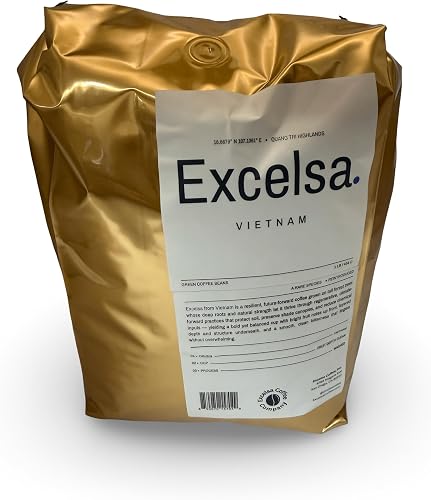
Best for: A curious roaster wanting to try a rare coffee species.
Excelsa is a different species from the typical Arabica or Robusta, offering a unique, earthy flavor profile. It’s naturally lower in caffeine and acidity, which makes it a great choice for those who find standard coffee too harsh. It’s a rare find that stands out in any collection.
The beans are natural-dried and hold a 90-point rating from Coffee Review.
Good if:
- You want to try a rare, third species of coffee.
- You need a coffee that’s naturally low in caffeine.
- You enjoy earthy, smooth, and low-acidity flavors.
Skip it if:
- You’re looking for a classic Arabica floral or citrus note.
- You prefer high-acidity, bright coffees.
10. Canan Koska Green Coffee Beans

Best for: A roaster who wants a reliable, high-quality Arabica for any method.
These beans are intended for those who want to control their own fresh experience, from roasting to grinding. They’re versatile enough for espresso, Turkish coffee, or standard drip. The quality is consistent, making them a safe choice for regular home roasters.
The 2.2-pound bag is a practical size that stays fresh while you use it. This isn’t for the roaster looking for a specific, exotic single-origin story, as these are meant to be a high-quality, general-purpose Arabica.
Good if:
- You want a versatile bean for multiple brewing styles.
- You prefer a reliable, high-quality Arabica daily drinker.
- You want a manageable size for regular roasting sessions.
Skip it if:
- You’re looking for a very specific, rare regional origin.
- You want an experimental or “funky” flavor profile.
Where These Overlap
Most of these beans, such as the Peru Estate Green Beans, Primos Nicaraguan Green Beans, and Canan Koska Green Beans, provide a balanced, specialty-grade Arabica experience. They share a similar goal: providing a high-quality, versatile canvas for your home roasting experiments. If you choose between these, the decision often comes down to the specific flavor notes you prefer—such as chocolate and caramel—or the farm’s location. The variety packs, like the Bodhi Green Coffee Sampler and the Unroasted African Variety Pack, are different beasts entirely. They’re designed for learning rather than daily consumption, making them the better choice if your primary goal is to grow your skills as a roaster.
Still Not Sure?
How often will I really use it?
If you plan to roast every week for your daily coffee, choose a larger, single-origin bag like the Smokin Beans Sumatra Mandheling or Primos Nicaraguan Green Beans. These provide consistency and enough volume to keep your hopper full. If you roast only occasionally for fun, a variety pack like the Bodhi Green Coffee Sampler is better.
What do I already own that this has to work with?
Think about your current roasting equipment. If you use a small popcorn popper or an air roaster, beans like the Roastika Ethiopia Yirgacheffe or Peru Estate Green Beans are easy to manage.
What am I most likely to regret choosing?
You’re most likely to regret buying a large bulk bag of a bean you have never tried, such as a five-pound bag of Excelsa Vietnam Green Beans, if you end up disliking its earthy, non-traditional taste. Always start with a smaller quantity or a sampler pack to ensure the flavor matches your personal palate before buying in bulk.
The best choice for your home roasting setup depends on your experience and your taste preferences. If you want to learn, grab the Bodhi Green Coffee Sampler; if you want a reliable, daily cup, choose the Primos Nicaraguan Green Beans. To ensure your coffee stays fresh, always follow proper storage guidelines for green coffee beans in a cool, dry place.
Frequently Asked Questions
Do I need special equipment to roast these coffee beans?
Many of these beans, such as the Peru Estate Green Beans, work well in simple tools like popcorn poppers or stovetop pans. While drum roasters offer more control, home roasting is accessible to anyone with a heat source and a way to keep the beans moving.
How long do unroasted green coffee beans stay fresh?
Green coffee beans are much more stable than roasted coffee and can last for many months if stored correctly. For example, the Peru Estate Green Beans listing notes a 720-day shelf life, while Smokin Beans Sumatra Mandheling suggests a 12-month potential, provided you keep them in a cool, dry, and dark environment.
Will these green coffee beans work for espresso?
Yes, many of these selections are suitable for espresso if you roast them to the right profile. The Smokin Beans Sumatra Mandheling is specifically noted for its low acidity, which makes it an excellent candidate for espresso, while the Canan Koska Green Beans are also versatile enough for your espresso machine after roasting.
How much weight do beans lose during the roasting process?
You should expect a weight loss of approximately 15-20% during the roasting process due to moisture evaporation. As the Peru Estate Green Beans listing explains, a 2.2-pound bag of green beans will typically yield about 1.75 to 1.85 pounds of roasted coffee, so plan your roasting batches according to this expected weight reduction.
Conclusion
Don’t worry if your first few batches don’t taste perfect, as learning the rhythm of the beans takes a little patience. Grab a small bag of green coffee this weekend and start your journey. You’ll find that your home-roasted cup is always worth the effort once you’ve dialed it in.