A standard residential ice maker typically takes between 90 minutes and 3 hours to produce a single batch of ice. This duration depends heavily on the ambient temperature of your kitchen, the temperature of the water supply, and the specific model of your refrigerator. While a single cycle completes in a few hours, filling a full bin usually requires 24 to 48 hours of consistent operation, especially if the appliance was recently installed or powered on after a deep clean.
Key Takeaways
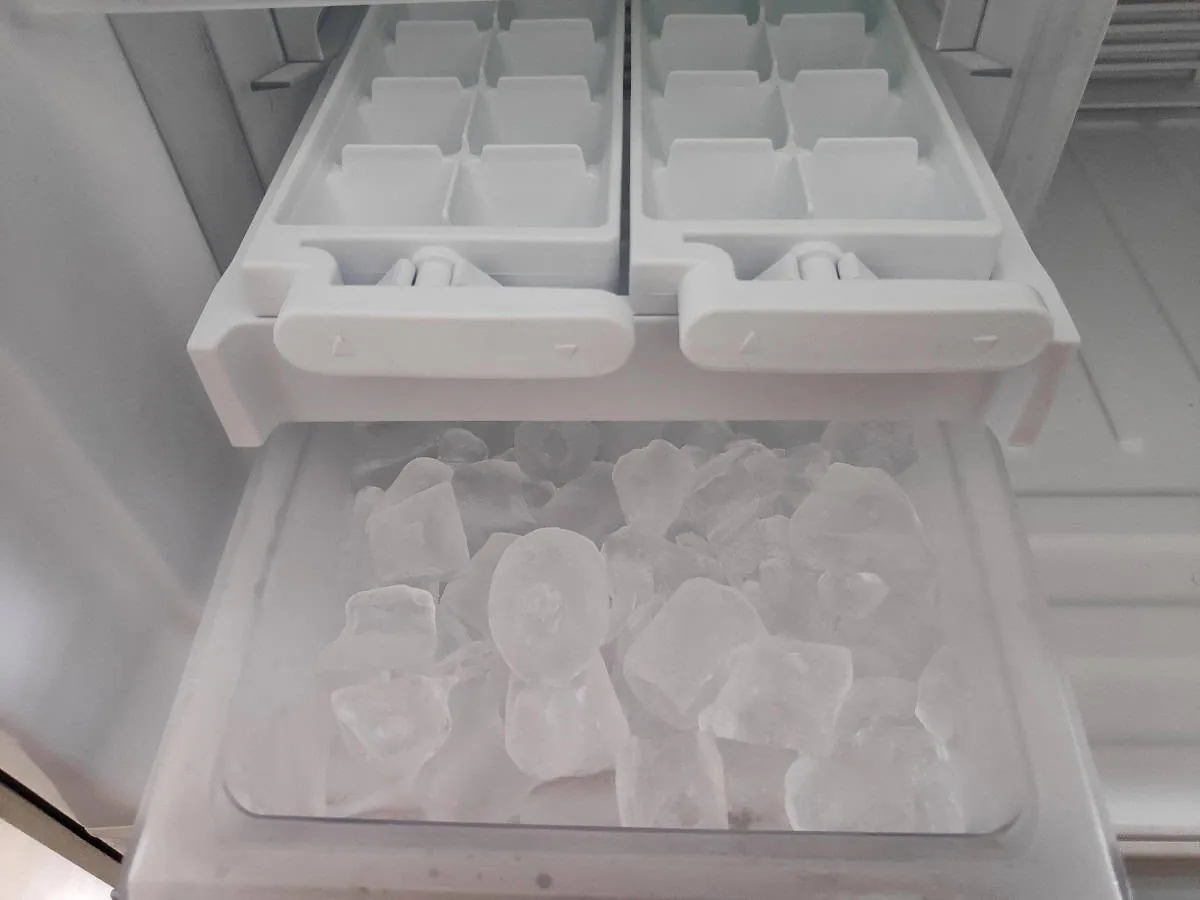
- Standard ice makers produce a batch every 90 to 180 minutes.
- Total bin capacity usually requires 24 hours of continuous cycles.
- Water temperature and freezer settings directly impact production speed.
- Always ensure your water line is fully open for maximum flow.
- Regularly clear the ice bin to prevent sensor blockage.
How Long Does Ice Take?
The time required for an ice maker to complete its cycle is governed by the freezing point of water and the mechanical efficiency of your unit. Most modern refrigerators use a thermostat to detect when the mold has reached the correct temperature. If you find your unit is slower than the expected 3-hour window, verify that your freezer is set to the recommended temperature of 0 degrees Fahrenheit, as advised by the FDA food safety guidelines.
| Appliance Type | Single Batch Time | Full Bin Time |
|---|---|---|
| Standard Freezer | 90–180 Minutes | 24–48 Hours |
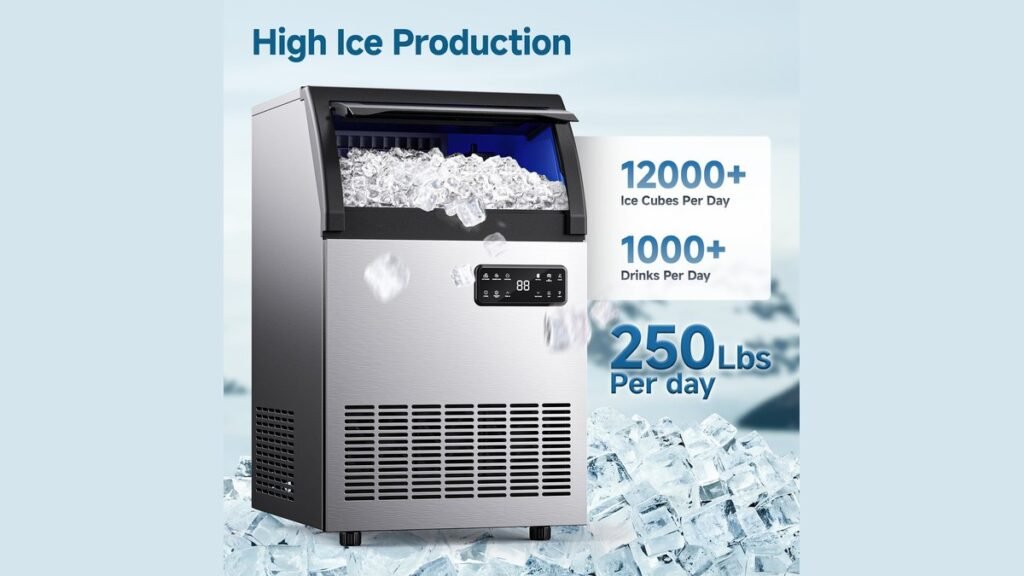
| Countertop Maker | 6–15 Minutes | 2–4 Hours |
| Commercial Unit | 20–40 Minutes | 6–12 Hours |
Factors Affecting Production Speed
Several variables dictate the efficiency of your system. High ambient temperatures in your home force the compressor to work harder, which can lead to longer cycle times. Furthermore, if the water supply is pre-heated or stagnant in the lines, the cooling system must expend more energy to reach the freezing threshold.
- Ambient Room Temperature: Hotter kitchens increase load.
- Water Supply Pressure: Low pressure slows the filling process.
- Filter Condition: Clogged filters restrict flow and cycle speed.
- Door Opening Frequency: Frequent door opening raises freezer temperature.
How to Optimize Performance
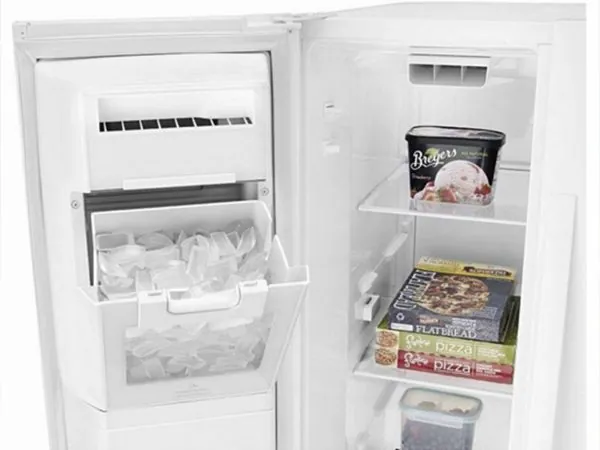
To ensure your ice maker runs at peak efficiency, you must maintain the proper environment. Keeping the freezer door closed as much as possible prevents warm air from entering and disrupting the cooling cycle. Additionally, check the water line for any kinks or tight bends that could impede flow.
- Clear the Bin: Ensure the shut-off arm moves freely.
- Adjust Thermostat: Keep your freezer at 0°F exactly.
- Replace Filter: Change water filters every six months.
- Check Water Lines: Ensure there are no physical obstructions.
Warning: Never use sharp objects to chip away ice buildup around the maker, as this can puncture the coolant lines and cause irreversible damage to your refrigerator’s cooling system.
Troubleshooting Common Delays
If you notice that your ice production has slowed to a crawl, the first step is to inspect the water inlet valve. Mineral deposits from hard water can accumulate in the valve, restricting the amount of water that enters the mold. If the mold doesn’t fill completely, the sensor won’t trigger the harvest cycle correctly, leading to smaller or fewer cubes.
| Issue | Potential Cause | Fix |
|---|---|---|
| Small Cubes | Low Water Flow | Clean or replace water filter |
| No Ice | Stuck Shut-off Arm | Manually lower the wire arm |
| Slow Production | High Freezer Temp | Lower thermostat to 0°F |
| Clumped Ice | Humidity/Leaking | Check water line connection |
Why Is My Machine Slow?
If your machine is brand new, it’s common for the first few batches to be small or oddly shaped as the system purges air from the lines. This process can take up to 72 hours. If the machine is older, consider that the internal thermostat may be failing. When the thermostat fails to recognize that the ice is frozen, it may delay the harvest, causing the cycle to drag on much longer than the standard 3-hour window.
Pro Tip: If you need a large amount of ice for an event, start emptying your bin into a separate container in the freezer 48 hours in advance to keep the maker running continuously.
Understanding Cycle Stages
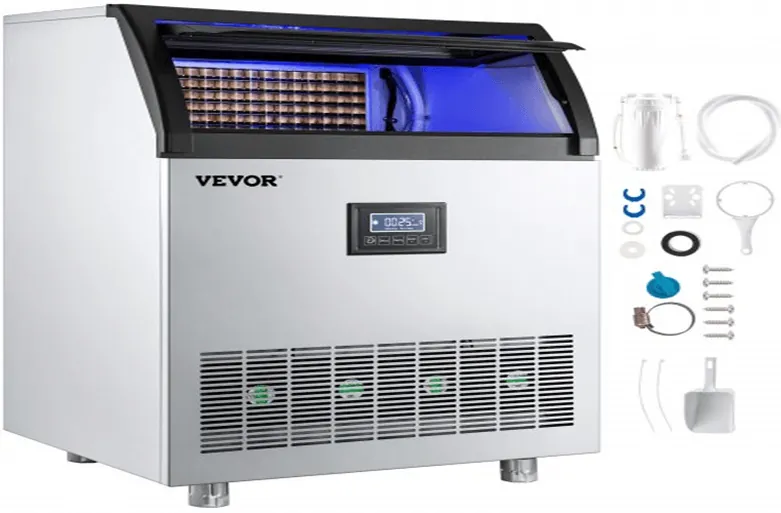
The ice-making process is divided into three distinct phases. First, the fill cycle allows water to enter the mold. Second, the freezing phase occurs, where the unit waits for the water to reach a solid state. Finally, the harvest cycle heats the mold slightly to release the cubes. If any of these stages are interrupted, the entire process must reset, which significantly increases the total time required per batch.
Frequently Asked Questions
Why is my ice maker slow?
Slow production is typically caused by a restricted water supply, a clogged water filter, or an incorrectly set freezer temperature. If your freezer is set above 0 degrees Fahrenheit, the water will take longer to freeze, which delays the harvest cycle. Additionally, check if your water line has any kinks or if the water filter is overdue for a change.
How do I reset the unit?
Most modern refrigerators allow you to reset the ice maker by pressing a dedicated reset button located on the ice maker assembly itself. If no button is present, you can often perform a hard reset by unplugging the refrigerator for five minutes, then plugging it back in. This clears the electronic control board and restarts the cycle logic.
Does a water filter affect speed?
Yes, a clogged water filter is one of the most common reasons for slow ice production. As sediment builds up in the filter over time, it restricts the flow of water into the mold. If the mold doesn’t fill properly, the machine may skip cycles or produce very small cubes, making it seem as though the machine is failing.
What is the ideal temperature?
The ideal temperature for your freezer to ensure efficient ice production is 0 degrees Fahrenheit. This temperature provides the perfect balance between freezing the water quickly and maintaining the longevity of your food. If the temperature is significantly higher, the ice maker will struggle to reach the freezing point, leading to longer wait times between batches.
Can I speed up the process?
You can encourage faster production by keeping the freezer door closed, ensuring the freezer is well-ventilated, and keeping the ice bin clear of debris. Reducing the ambient temperature of your kitchen also helps the compressor run more efficiently. Beyond these environmental factors, there’s no way to force the mechanical cycles of the ice maker to move faster than their factory-set speed.
Conclusion
If your ice maker continues to underperform after verifying these steps, you should consult your owner’s manual to identify the specific model number and check for any manufacturer-recommended diagnostic procedures. Persistent issues with water flow or mechanical sounds often indicate a need for professional repair or a replacement of the intake valve.