As an Amazon Associate, we earn from qualifying purchases. This post contains affiliate links – if you buy through them, we may earn a commission at no extra cost to you.
Finding the best water to use for cold brew coffee depends on your brewing routine and how much control you want over the final cup. Some brewers prefer to build their water from scratch using mineral additives, while others rely on the consistent mineral balance found in bottled spring or purified waters. Your choice hinges on whether you value precise mineral control for flavor clarity or the convenience of a ready-to-drink bottle. The market is split between mineral-focused packets like Third Wave Water Cold Brew and convenient bottled options like Acqua Panna Spring Water.
1. Third Wave Water Cold Brew

Best for: Home brewers who want to highlight the natural low acidity of cold brew.
This product focuses on a specific mineral profile designed to complement the cold brewing process. By using all-natural minerals, it aims to enhance the inherent qualities of your coffee grounds without adding unwanted bitterness.
Good if:
- You want to emphasize the low-acid profile of cold brew.
- You need a solution for both brewing and diluting.
- You prefer a simple, pre-measured additive system.
Skip it if:
- You prefer to source your own water without adding mineral packs.
- You don’t want to mix your own water prior to brewing.
2. COFFEE WATER Mineral Packs

Best for: Someone making large, consistent batches of cold brew coffee.
These packs are designed to turn pure water, such as distilled or reverse osmosis water, into a balanced base for coffee. By meeting Specialty Coffee Association water standards, they ensure your brewing water has the right mineral content to extract flavor effectively. The formula includes magnesium sulfate, calcium citrate, sodium bicarbonate, and sodium chloride.
Adding one set of packets to a gallon of water makes it easy to scale up. This takes the guesswork out of water chemistry, providing a stable foundation for your cold brew.
Good if:
- You use reverse osmosis or distilled water at home.
- You want to follow recognized professional coffee brewing standards.
- You need to produce consistent water quality for large batches.
Skip it if:
- You don’t have access to a reliable source of purified water.
- You find the list of four mineral ingredients too complex.
3. Perfect Coffee Water Minerals

Best for: Enthusiasts seeking maximum flavor clarity and a smooth body.
These mineral stick packets are designed to optimize coffee balance and clarity. The formula is specifically intended to help you brew better, not bitter, coffee. It has been used in championship-winning recipes, suggesting it appeals to those who are serious about their extraction process.
These packets are best suited for manual and filter brewing methods. If you plan to use this water in an espresso machine, the manufacturer suggests checking with the machine brand first. It’s an ideal choice for someone who treats water chemistry as a key part of their brewing hobby.
Good if:
- You prioritize clarity and a smooth body in your cold brew.
- You want a professional-grade mineral blend for your coffee.
- You enjoy experimenting with water composition to improve flavor.
Skip it if:
- You’re looking for a water solution for high-pressure espresso machines.
- You prefer a product that doesn’t require manual mixing.
4. Acqua Panna Italian Natural Spring Water

Best for: Someone who wants a natural, balanced water without any additives.
This Italian spring water has a soft, velvety mouthfeel. Because it’s naturally sourced, it offers a balanced mineral content that doesn’t overpower the subtle flavors of your coffee. It is a popular choice for its clean, neutral taste.
Bottled spring water ensures your cold brew starts with quality water. The bottles are made with 50% recycled plastic. It’s ready to use immediately, requiring no mixing or preparation.
Good if:
- You want a natural water source with a soft mouthfeel.
- You prefer to avoid measuring and mixing mineral additives.
- You value a clean, balanced taste that complements coffee flavors.
Skip it if:
- You prefer to control the exact mineral content of your water.
- You’re looking for a bulk-focused or highly concentrated water option.
5. FIJI Artesian Bottled Water

Best for: Brewers who want a stable, naturally balanced pH and mineral profile.
FIJI Water is sourced from an artesian aquifer filtered through volcanic rock. This process naturally adds electrolytes, which the company claims results in a smooth, soft taste. With a pH of 7.7, it falls into a neutral to slightly alkaline range that’s generally considered stable for brewing.
The 500mL bottles are convenient for smaller batches or for those who don’t want to open a large container. Because the minerals occur naturally, you don’t need to worry about consistency. It’s a straightforward, reliable choice for anyone who wants a premium bottled water for their coffee.
Good if:
- You want a naturally sourced water with a balanced pH.
- You prefer the convenience of smaller, grab-and-go bottle sizes.
- You’re looking for a soft, smooth taste profile.
Skip it if:
- You need large volumes of water for big-batch cold brewing.
- You prefer water that has been specifically formulated for coffee extraction.
6. Waiākea Volcanic Water

Best for: Someone who prefers naturally alkaline water for their cold brew.
Waiākea water is sourced from the Mauna Loa Volcano in Hawaii. This natural filtration process gives it a pH range of 7.6 to 8.2. It contains naturally occurring minerals like silica, calcium, and potassium, which contribute to its alkaline profile.
The brand emphasizes its ethical and sustainable practices, including funding non-profit initiatives. For a coffee lover, this water offers a unique mineral composition that differs from standard spring or purified waters. It’s a good choice if you enjoy the characteristics of alkaline water in your beverages.
Good if:
- You’re looking for a naturally alkaline water source.
- You want to support a brand with a strong focus on sustainability.
- You prefer water with naturally occurring electrolytes.
Skip it if:
- You prefer a neutral pH water for your coffee.
- You aren’t interested in the mineral profile specific to volcanic rock.
7. LIFEWTR Premium Purified Water

Best for: Those who want a purified water with added electrolytes for taste.
LIFEWTR is purified using reverse osmosis to create a clean base. The brand then adds electrolytes, specifically magnesium sulfate and potassium bicarbonate, to enhance the flavor. This provides a consistent, predictable water profile for every batch of cold brew you make.
Good if:
- You want a purified water source that’s consistent in every bottle.
- You prefer water with added electrolytes for a cleaner taste.
- You look for products packaged in 100% recycled plastic.
Skip it if:
- You prefer natural, unprocessed spring water.
- You want to customize your own mineral levels from scratch.
8. Essentia Ionized Alkaline Water
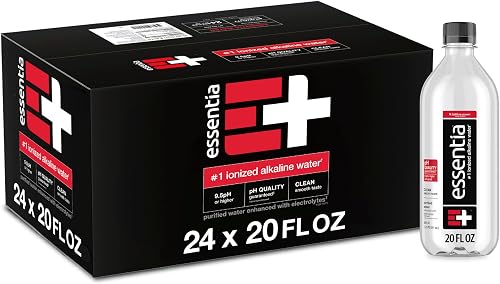
Best for: Brewers who specifically want a high pH alkaline water.
Essentia uses a proprietary ionization process to achieve a high pH. The water is purified through micro-filtration and reverse osmosis to reach 99.9% purity. They add a blend of electrolytes to complement the body’s natural mix and improve the taste by removing acidic ions.
This water is designed to be smooth and clean, which can be an interesting variable in cold brew coffee. Because it’s highly alkaline, it will provide a very different chemistry than neutral or slightly acidic water. It’s best for those who already enjoy the taste of high-pH ionized water.
Good if:
- You prefer a high-pH, ionized alkaline water.
- You want a very high level of water purity.
- You’re curious about how high alkalinity affects coffee extraction.
Skip it if:
- You prefer a neutral pH for your brewing water.
- You’re sensitive to the taste profile of ionized, electrolyte-enhanced water.
9. smartwater Vapor Distilled Water Bottles
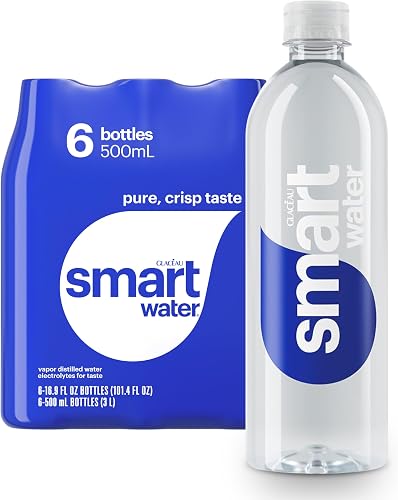
Best for: Those who want a crisp, pure taste created through vapor distillation.
The pH is tailored to be balanced, making it a consistent choice for brewing. Because it’s vapor distilled, it lacks the mineral complexity of spring water, which allows the specific characteristics of your coffee beans to stand out. It’s a simple, effective option for any cold brew method.
Good if:
- You prefer the clean, crisp taste of vapor-distilled water.
- You want a consistent, predictable water profile.
- You’re looking for a widely available, reliable bottled water.
Skip it if:
- You prefer the mineral complexity found in natural spring water.
- You’re looking for a high-mineral content water for extraction.
10. 365 by Whole Foods Market Spring Water

Best for: Someone who needs a large volume of spring water for bulk brewing.
This spring water comes from protected sources. It offers a straightforward, natural option for those who don’t want to deal with small bottles or mineral packets. It’s a practical choice if you brew large quantities of cold brew and need a reliable water source.
Good if:
- You need a large volume of water for batch brewing.
- You prefer a simple, natural spring water without additives.
- You want a consistent, no-fuss water source for daily use.
Skip it if:
- You want to customize your water with specific minerals.
- You prefer smaller, individual bottles for better portability.
Where These Overlap
Many of these options, such as LIFEWTR, smartwater, and the various spring waters, share a common goal of providing a clean, neutral base for coffee. Conversely, products like Third Wave Water and COFFEE WATER are fundamentally different; they’re tools for chemistry rather than just a source of hydration.
Still Not Sure?
How often will I really use it?
If you only brew occasionally, the convenience of bottled water like Acqua Panna or FIJI is hard to beat. You avoid the clutter of packets and the need to store large jugs of distilled water. For daily brewers, however, the long-term consistency of mineral packs like Third Wave Water Cold Brew is usually the better investment.
What do I already own that this has to work with?
If you already use a reverse osmosis system at home, you have the perfect base for mineral packets like COFFEE WATER. If you don’t have a purification system, buying bottled water is the simplest way to ensure you aren’t brewing with tap water that might contain chlorine or other off-tasting minerals.
What am I most likely to regret choosing?
You may regret choosing a high-pH water like Essentia if you haven’t tasted it with your coffee first, as the strong mineral profile can significantly change the acidity and body of the brew. If you want to play it safe, start with a neutral, purified, or spring water like 365 Spring Water to see how it impacts your beans.
For the best results, use water that meets the Specialty Coffee Association water standards to ensure your brew has the right mineral balance for optimal extraction.
The best water for your cold brew ultimately comes down to your brewing style and your preference for control. If you want to refine your flavor, choose a mineral additive like Third Wave Water Cold Brew. If you prefer simplicity, opt for a consistent spring water like Acqua Panna. Start by testing one bottle or pack to see how it changes your favorite roast.
Related guides
- 10 Best Coffee for a Cold Picks for Smooth Flavor and Ease
- 10 Best Coffee for Cold Brew Picks for Smooth Flavor
- What Type of Coffee Is Best for Cold Brew
Frequently Asked Questions
Does the pH of my water really matter for cold brew?
Yes, the pH of your water can influence how your coffee grounds extract. While cold brew is naturally low in acid, starting with a neutral or slightly alkaline water can help maintain that balance. Products like Waiākea offer a higher pH, while others like LIFEWTR aim for a neutral range to keep the coffee’s own profile front and center.
Should I use distilled water for cold brew?
Distilled water is a great starting point because it’s essentially a blank slate. However, because it lacks minerals, it can lead to a flat-tasting coffee. Most professionals recommend adding minerals back into distilled water using products like COFFEE WATER to ensure the water has the necessary components to pull flavor from the beans.
Can I use tap water for my cold brew?
You can use tap water if it tastes good to you, but it often contains chlorine or other minerals that can negatively affect the final flavor. If your tap water has a strong odor or taste, it will likely carry over into your cold brew. Using a purified or spring water is a way to ensure a clean, consistent result.
How much water do I need to prepare a batch?
The amount of water depends on your desired coffee-to-water ratio, which typically ranges from 1:4 to 1:8 for concentrates. When using mineral packets like those from Perfect Coffee Water, you should follow the specific instructions on the packaging to ensure you reach the proper concentration for the volume of water you’re using.
Conclusion
Ultimately, the right choice comes down to your personal taste and how much time you want to spend in the kitchen. Don’t be afraid to experiment with a few different brands side-by-side. You’ll quickly find the profile that makes your favorite beans shine, so grab a few bottles and start testing.