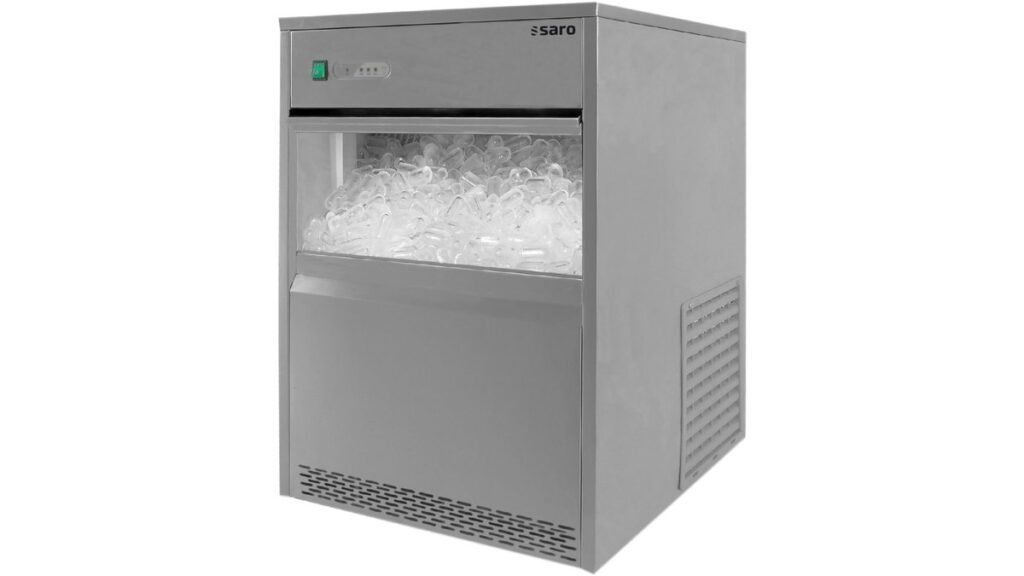
A basic commercial ice maker costs between $1,500 and $6,000 for standard under-counter models, though the price depends heavily on production capacity, cooling method, and brand.
How much is a commercial ice maker: Pricing Breakdown
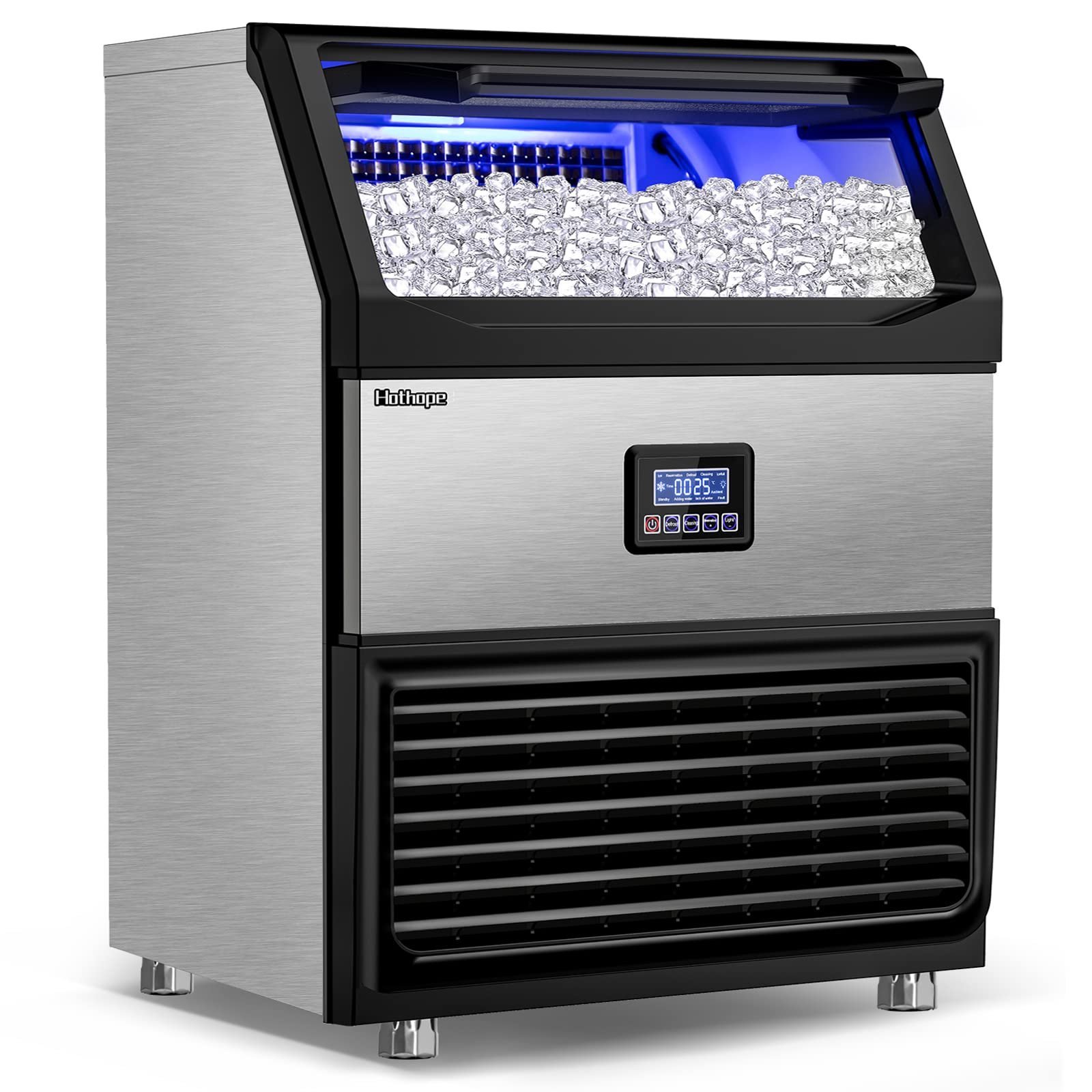
- Countertop models produce 50–100 lbs of ice daily, while modular units exceed 1,000 lbs.
- Air-cooled machines are cheaper to run but require significant clearance on all sides for proper airflow, as specified by the manufacturer.
- Water-cooled units work in hot kitchens but increase water usage significantly compared to air-cooled versions.
- Installation costs add $500–$1,500 to the total price, covering plumbing, electrical, and water filtration setups.
- Energy efficiency ratings vary by model; compare performance across different units to find the most efficient option.
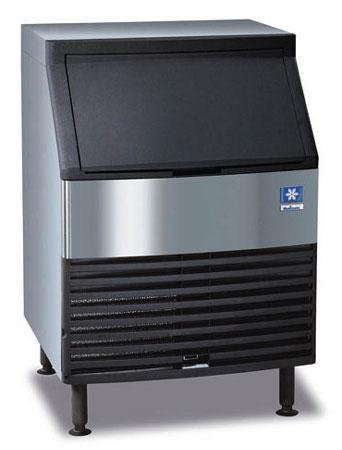
- If you have a small café, choose an under-counter unit; if you run a large banquet hall, select a modular head with a separate bin.
Why Prices Vary by Model
Price is determined by refrigeration mechanics and output volume. High-traffic machines use robust compressors and larger evaporators. You pay for durability and quick recovery. Check the manufacturer’s spec sheet for ice production rates at 70°F air and 50°F water.
Comparing Different Ice Machine Situations
| Situation | What changes | What to do instead |
|---|---|---|
| High humidity | Cooling efficiency drops | Choose a water-cooled model |
| Limited space | Ventilation is restricted | Use a remote condenser system |
| Hard water | Scale buildup increases | Install a dedicated water filter |
| Peak demand | Storage capacity issues | Buy a larger ice bin |
| Budget limits | Upfront purchase cost | Consider a certified refurbished unit |
How to Install Your New Machine
- Clear a space with the manufacturer-recommended clearance on all sides to allow proper air circulation for the cooling fans.
- Connect the machine to a dedicated 120V or 220V circuit as specified on the unit’s nameplate to prevent tripping the main breaker.
- Install a high-quality water filtration system between the supply line and the machine to remove sediment and prevent mineral scale buildup inside.
- Run a drain line with the manufacturer-specified diameter and a consistent downward slope of at least 1/4-inch per foot to ensure water flows freely into the floor drain.
- Level the machine using the adjustable feet until it sits perfectly flat, which ensures the ice tray fills and releases evenly during cycles.
- Turn on the power and water supply, and allow the machine to complete its initial harvest cycles before regular use.
The Mistakes That Ruin It
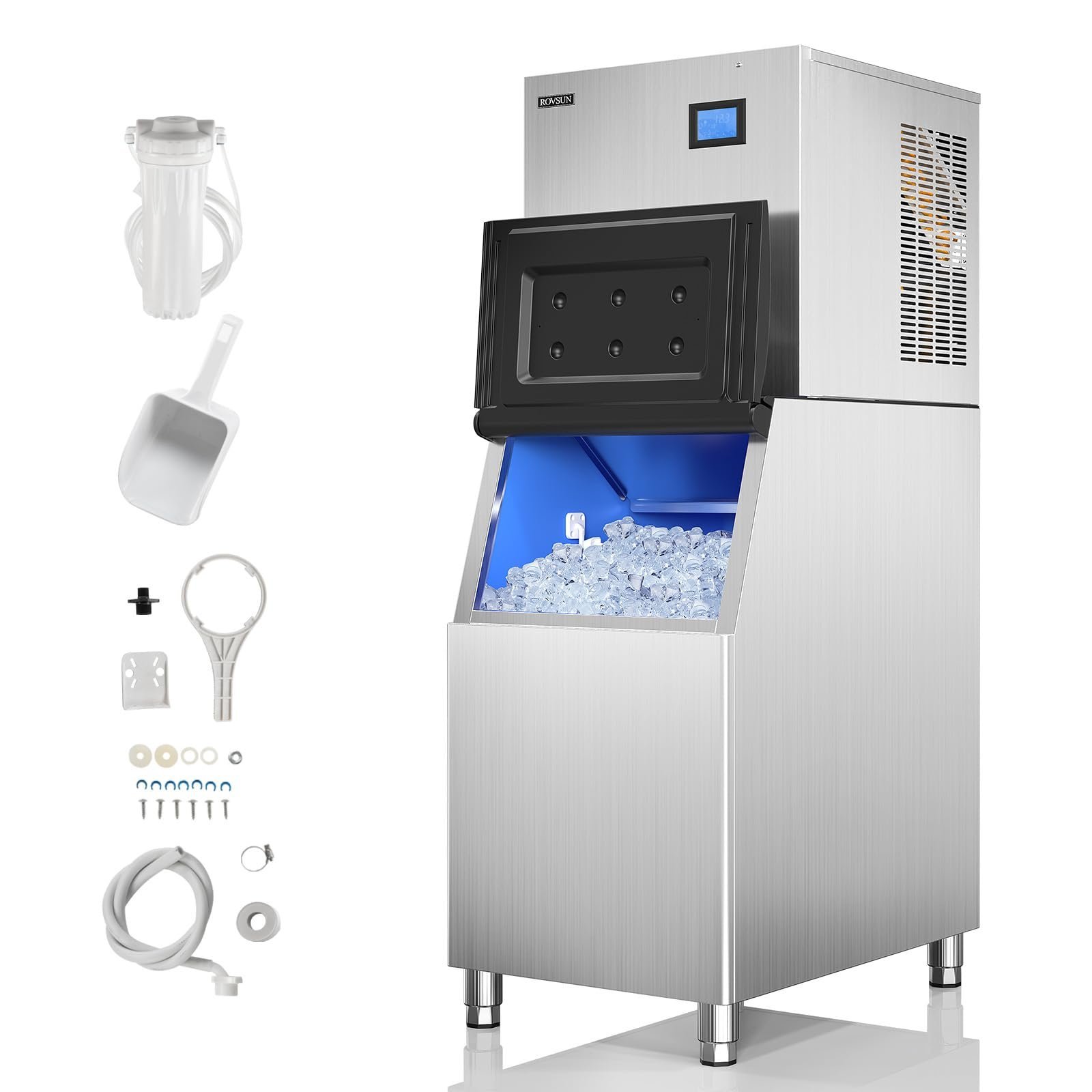
- Placing the machine near heat sources like ovens or fryers forces the compressor to work harder, which shortens its lifespan.
- Skipping regular water filter changes allows scale to clog the evaporator, often leading to expensive repairs within the first year.
- Ignoring the manufacturer’s cleaning schedule voids the warranty and can lead to unhygienic ice production.
- Overloading the bin with scoops not designed for ice can damage the plastic liners, causing leaks and poor insulation.
Can I install a commercial ice maker myself?
You can install it yourself if experienced, but a professional technician is recommended to keep the warranty valid.
Why is my ice maker producing cloudy ice?
Cloudy ice is caused by trapped air or minerals; install a high-quality water filtration or reverse osmosis system to resolve it.
How long do commercial ice machines last?
With proper maintenance, these machines typically last 7 to 10 years, depending on the model’s duty cycle.
Is it safe to use a used commercial ice machine?
It’s safe if professionally cleaned and inspected, but verify the age and part availability before purchasing.
What happens if the ice maker isn’t level?
An unlevel machine prevents even water distribution, leading to thin ice, harvest jams, and mechanical failure.
Does it matter if I use an air-cooled or water-cooled unit?
Yes; air-cooled units require ventilation, while water-cooled units suit hot spaces but increase utility bills.
When choosing a machine, always prioritize the specific production requirements of your space rather than just the lowest price tag.
Commercial ice, in short
Choosing the right machine is a big investment, but it’s worth it for your business’s daily operations. Before you commit to a purchase, talk to a local service technician about your water quality and available space. They’ll help you ensure your equipment doesn’t break down when you need it most.