
Commercial ice cream machines cost between $1,500 and $25,000 for a new unit. Countertop soft-serve units sit at the low end, while multi-flavor batch freezers sit at the top. The price hinges on serving capacity and whether the cooling system uses air or water.
How much are commercial ice cream machines: A pricing summary
A commercial machine requires careful budget planning before you buy. The right unit keeps your lines moving without driving up utility bills.
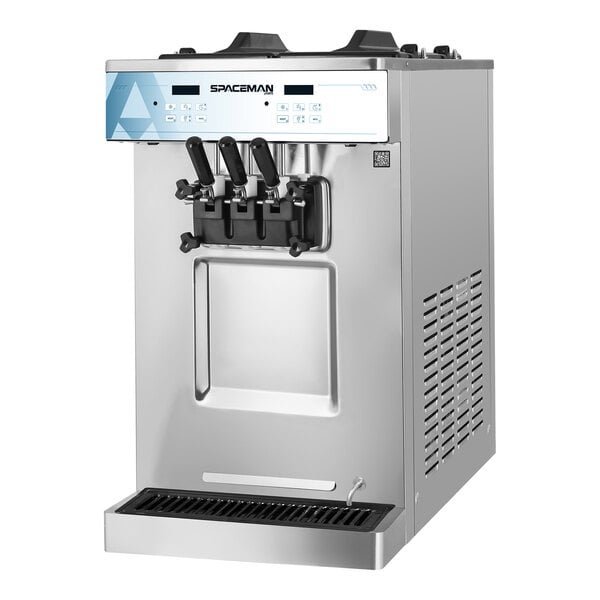
- Countertop soft-serve dispensers cost between $1,500 and $6,000 and serve low-volume cafes.
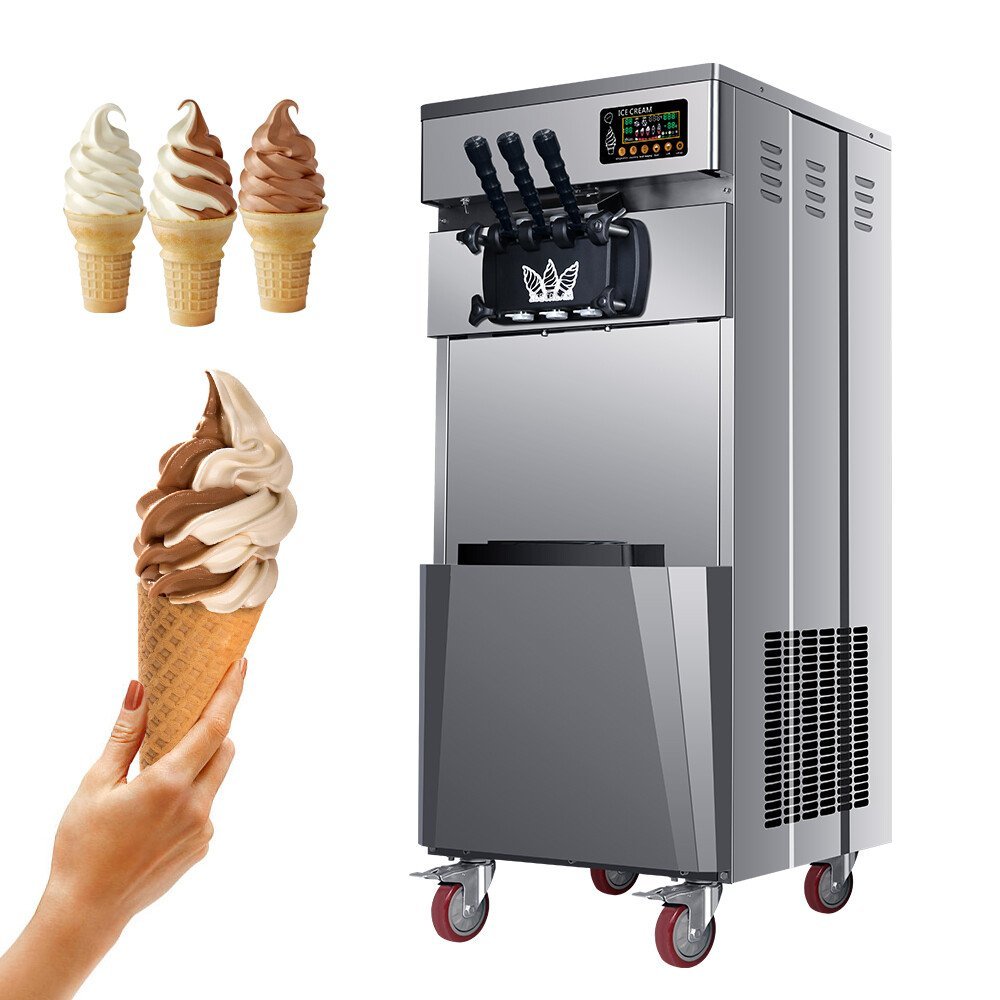
- Floor-standing soft-serve units with twin-twist spouts range from $8,000 to $16,000 for busy shops.
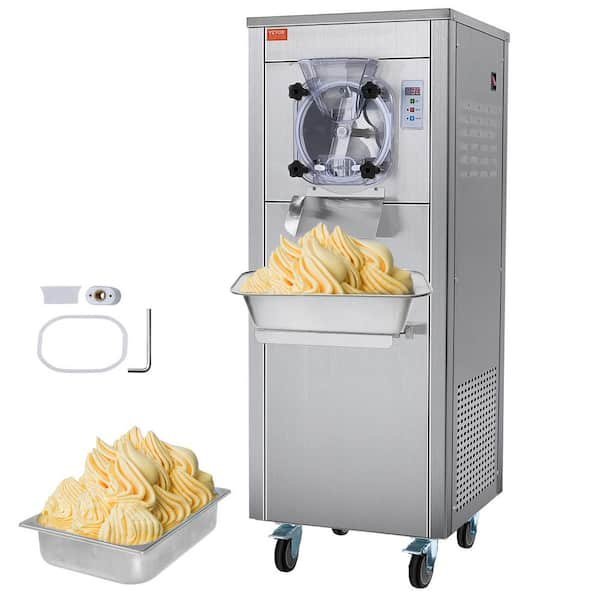
- Small artisan batch freezers run between $7,000 and $13,000 for firm, hand-scooped tubs.
- High-output industrial batch freezers range from $15,000 to $25,000 for heavy daily production.
- Water-cooled models cost about $500 to $1,500 more than air-cooled designs upfront.
- Routine yearly maintenance kits cost around $150 to $300 for fresh o-rings and scraper blades.
Why commercial freezer prices vary
The mechanical build inside the cabinet explains why retail tags differ so much. High-end freezers rely on heavy-duty commercial compressors and durable stainless steel beaters rather than plastic dashers. These industrial parts handle extreme torque when turning thick product below freezing. If a compressor works under high load all day, thin parts snap quickly.
Cooling styles also shift the price tag. Air-cooled compressors need open clearance around the vents to pull in ambient room air, which makes them cheaper to install. Water-cooled systems require dedicated plumbing lines and steady water flow, but they dump heat outside the room and work much faster during hot summer rushes. The trade-off is clear: you pay less initially for air cooling, but you might spend more on air conditioning to cool your shop.
Safety and sanitation certifications add to the sticker price as well. Commercial units in food service must carry public health approval, such as sanitation listings verified by NSF International standards, ensuring food contact zones are easy to clean.
Soft serve and batch freezer price factors
The standard price range changes once you pick specific power hookups or custom flavor options. Your shop setup dictates your final budget.
| Situation | What changes | What to do instead |
|---|---|---|
| 115V plug available | Output stays limited | Buy 208V to 230V gear |
| Very cramped counter | Airflow gets blocked | Pick a water-cooled model |
| Self-pasteurizing mode | Upfront price increases | Clean standard hoppers manually |
| Heavy outdoor heat | Cooling time slows down | Run units inside conditioned spaces |
How to buy an ice cream machine
Buying the wrong machine hurts daily workflow and ruins your dairy mix. Follow these clear steps to select and install the right freezer for your space.
- Measure your service counter and verify you have at least 6 inches of open clearance on all sides for ventilation.
- Check your electrical breaker box to see if the building supports 208-volt or 230-volt circuits before ordering any machinery.
- Calculate your peak customer hour so you buy a machine capable of producing enough volume during rush periods.
- Compare an air-cooled model to a water-cooled system to weigh installation ease against the cost of your local water utility.
- Inspect the hopper design to ensure the parts disassemble without specialized tools for safe end-of-day food sanitizing.
- Verify the manufacturer offers accessible replacement scraper blades and food-grade silicone seals to avoid long maintenance delays down the road.
- Hire a certified commercial technician to install and test the machine so you protect your active manufacturer equipment warranty.
Equipment mistakes that cost you money
The common mistake of buying a low-capacity machine to cut initial costs leads to long lines and soft, melted servings during peak business hours. The compressor simply can’t keep up with high customer demand, causing the dairy base to run liquid.
Another mistake is ignoring daily seal lubrications and manufacturer-recommended blade replacement schedules. Scraper blades wear down against the cylinder walls; if you don’t change them according to the manufacturer’s schedule, churn times may increase and electric bills may spike.
Skipping proper ventilation causes early compressor burnouts. When owners push air-cooled cabinets flush against walls, heat gets trapped inside the frame, causing emergency repairs that cost thousands of dollars.
This guide isn’t for home hobbyists looking for personal kitchen gear, as commercial units require dedicated electrical circuits, strict commercial sanitation steps, and regular part replacements.
Frequently asked questions
How much do soft serve machines cost?
Between $1,500 and $16,000 covers most new models. Compact countertop units sit at the low end of that range, while dual-flavor floor machines with twist handles sit at the high end.
How much does a commercial batch freezer cost?
From $7,000 to $25,000 for reliable new hardware. Entry-level 3-quart batch models start near the bottom, while heavy-duty 24-quart production cylinders reach the top end of the price spectrum.
Is a water-cooled machine better than air-cooled?
Yes, if your store gets hot or has poor airflow. Water-cooled freezers run quieter and freeze product faster, but they require a steady water source and constant plumbing connections.
How long do commercial ice cream machines last?
About seven to ten years with regular cleaning and blade changes. Units that skip routine maintenance often fail in three to five years when compressors overheat or run dirty.
Can you run a commercial machine on standard 115-volt power?
Yes, but only small countertop units. Larger batch freezers and high-volume twin-twist models need 208-volt to 230-volt connections to turn heavy mixing blades through dense, freezing product safely.
What happens if you skip machine cleaning?
Bacteria grows quickly in warm dairy residues, creating serious food safety risks. Running dirty gear also breaks gaskets, leading to costly product leaks inside your motor housing.
Does ice cream machine output vary by model?
Yes, this varies by model — check the label on the unit for its hourly quart rating. Smaller models make twelve quarts hourly, while floor freezers produce over thirty.
Commercial ice, in short
A commercial ice cream machine is a serious investment that defines how smoothly your daily service runs. If you have high foot traffic, do buy a floor-standing unit; if you only serve dessert occasionally, stick with a countertop dispenser. Balance your upfront equipment budget with local utility rates to pick the unit that pays for itself fastest.
Related guides
Pingback: How to Buy a Commercial Ice Machine: A Step-by-Step Guide