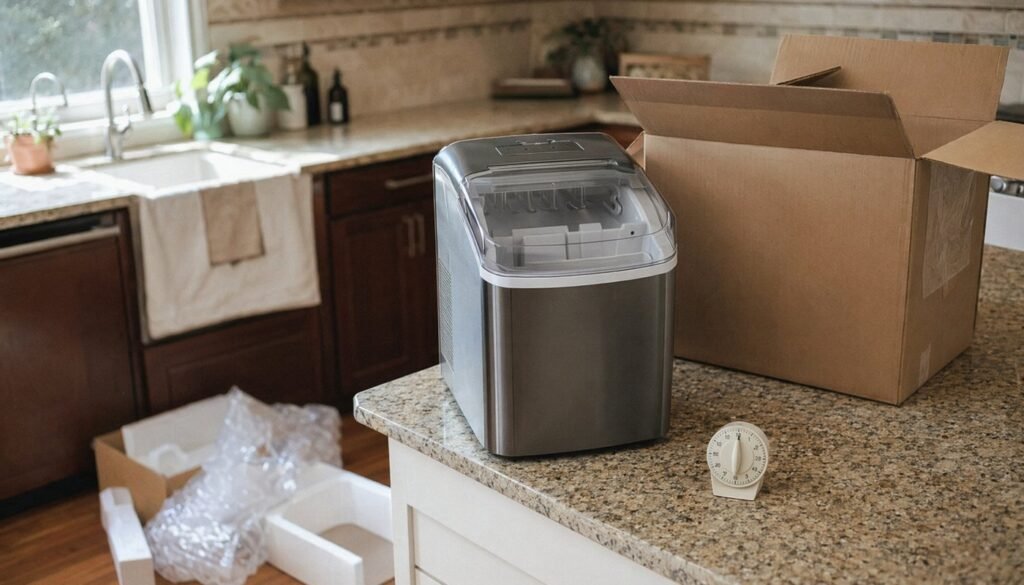
No, you can’t manually fill ice maker units that are designed to connect to a water line. If you pour water directly into the ice tray, the machine’s sensors will likely malfunction or cause an overflow. You must check your specific model’s manual before attempting any manual water additions.
Can you manually fill ice maker units?
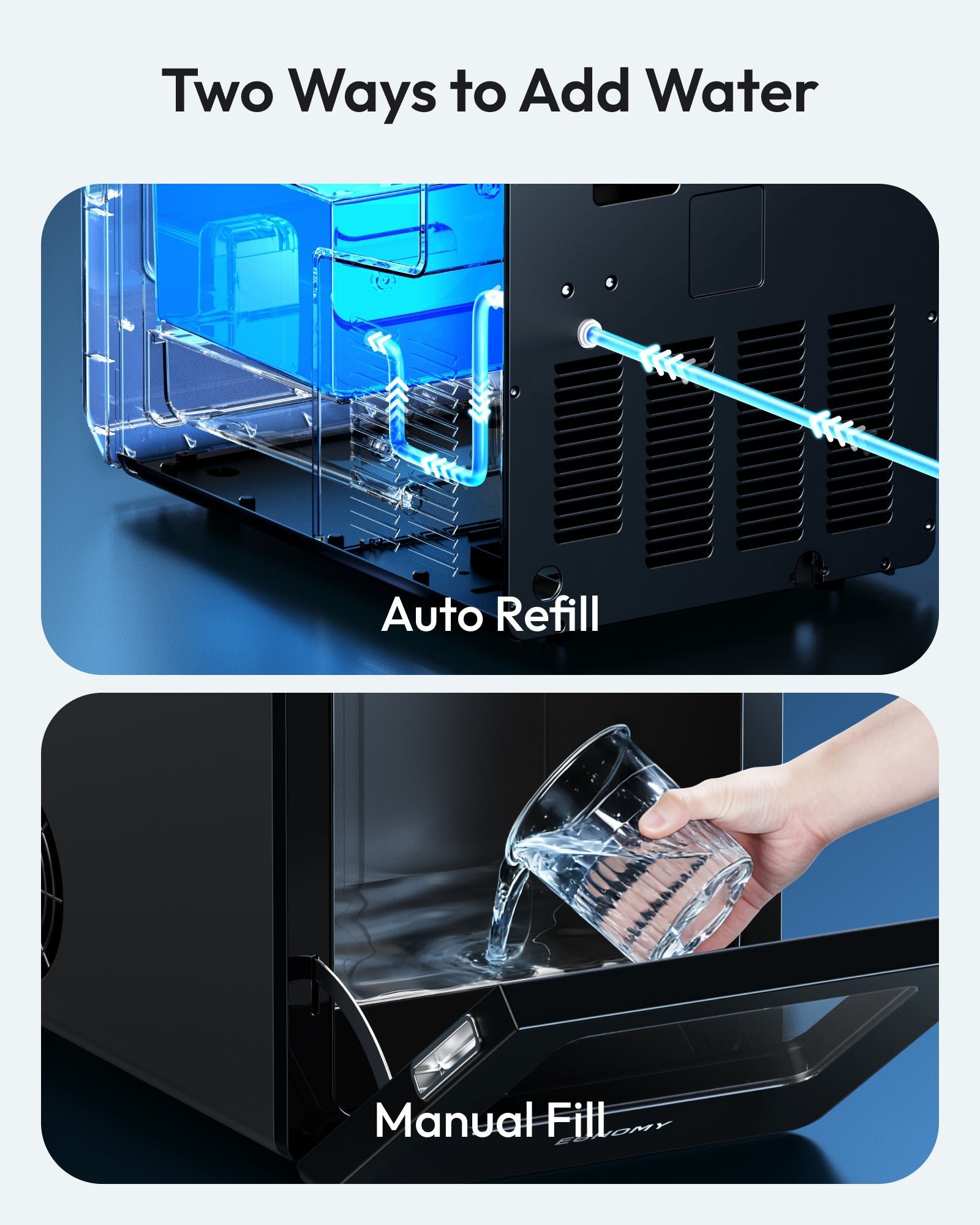
| Combo fridge/freezer | No | Water spills damage electrical components | | Manual fill drawer | Yes | Designed specifically for manual pouring |
The mechanism behind water sensors
Ice makers in refrigerators rely on precise timing and sensors to operate. When a fridge is connected to a water line, a solenoid valve opens for a set number of seconds to fill the mold. If you add water yourself, you bypass these sensors, which can cause the system to overfill and leak into your freezer compartment. This creates large blocks of ice that stick to the walls or the auger, preventing the machine from dispensing properly. Maintaining consistent temperatures is critical to food safety, and excess moisture from manual overflows can disrupt freezer airflow. If the ice maker is plumbed, don’t add water; if the machine is a portable countertop model, follow the manufacturer’s manual for fill lines.
How to manage ice production

If your plumbed ice maker isn’t working, follow these steps to troubleshoot the connection instead of adding water manually.
- Check the water supply line: Ensure the shut-off valve behind the refrigerator is fully turned to the open position.
- Inspect the tubing: Look for any kinks or bends in the plastic line that might be restricting the flow of water.
- Reset the unit: Locate the reset button or power cycle the refrigerator by unplugging it for 60 seconds to clear sensor errors.
- Test the filter: Remove the water filter to see if a clog is preventing water from reaching the ice mold.
- Verify the connection: Confirm the copper or plastic line is firmly attached to the inlet valve at the back of the appliance.
You’ll know this worked when you hear the water valve click open and the tray begins to fill itself within 30 minutes.
The mistake people make
The most common mistake is pouring water into a plumbed ice maker because the water line has a small clog. This mistake costs you a frozen mess that often damages the internal motor or the ice level sensor. You end up with a solid block of ice that requires hours of manual defrosting to remove. The one check that avoids this is to inspect the water line for kinks or low pressure before assuming the machine needs more water. If the line is clear, the problem is usually the inlet valve, not the lack of water.
When to stop and get help
- Visible water leaks: Stop immediately if water is pooling on the floor, as this indicates a burst line.
- Electrical burning smells: Disconnect the power if you smell plastic burning, as this suggests a shorted solenoid valve.
- Frozen solid auger: Call a professional if the ice bin is encased in ice, as the motor may already be damaged.
- No water pressure: Contact a plumber if the line shows no pressure, as the house supply may be blocked.
Frequently asked questions
Can I pour water into my fridge ice tray?
No, you should never pour water into a plumbed ice tray. The machine is calibrated for a specific amount of water, and extra liquid will spill over, creating ice dams that block your freezer’s operation.
Is it safe to add water to a countertop ice maker?
Yes, it’s perfectly safe to add water to a countertop unit. These machines are designed for manual filling, and the indicator light will tell you exactly when the reservoir reaches its maximum capacity.
Why is my ice maker not filling with water?
The water line is likely kinked, the water filter is clogged, or the inlet valve has failed. Check your refrigerator’s manual to see if you can safely access these parts without voiding your warranty.
How long does an ice maker take to cycle?
Most modern ice makers take between 60 and 90 minutes to complete a full harvest cycle. This varies by model — check the label for the specific timing provided by the manufacturer.
Does it matter if I use filtered water?
Yes, using filtered water helps prevent mineral buildup in the valves and tubes. Hard water can cause the solenoid valve to stick, which stops the ice maker from filling the tray correctly.
What happens if I overfill a manual ice maker?
If you overfill a manual unit, the excess water will spill into the bottom of the machine. This can leak into the electronics or create a solid block of ice that prevents the basket from moving.
What to do next
Start by checking the water line behind your refrigerator to ensure it isn’t bent. You should expect the machine to begin filling automatically once the blockage is cleared or the valve is reset. If you see water leaking, stop and call a professional service technician immediately.
Related guides