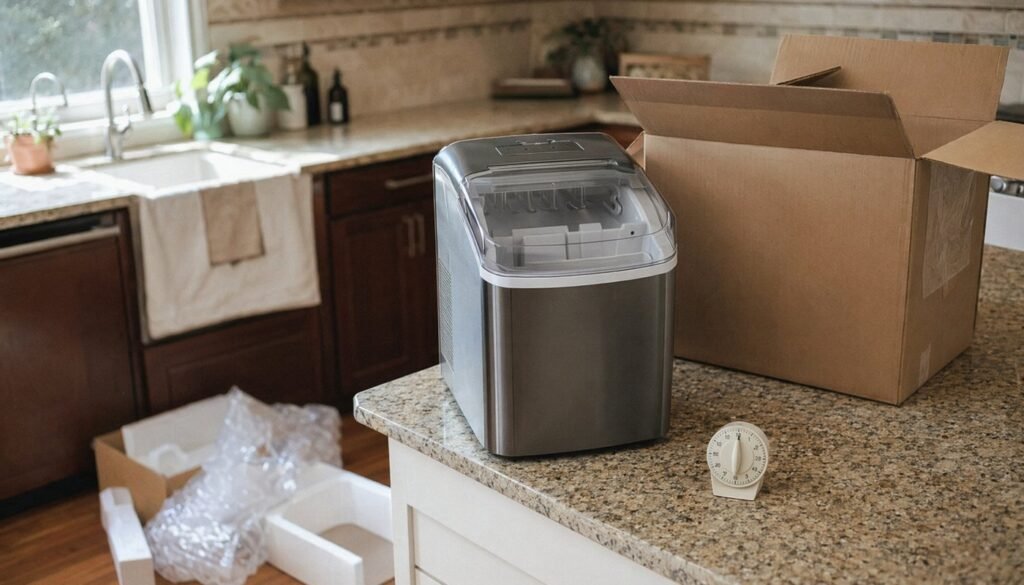
If you are wondering how much is a countertop ice maker, expect to pay between $100 and $200, depending on daily output, casing materials, and features like self-cleaning.
How much is a countertop ice maker?
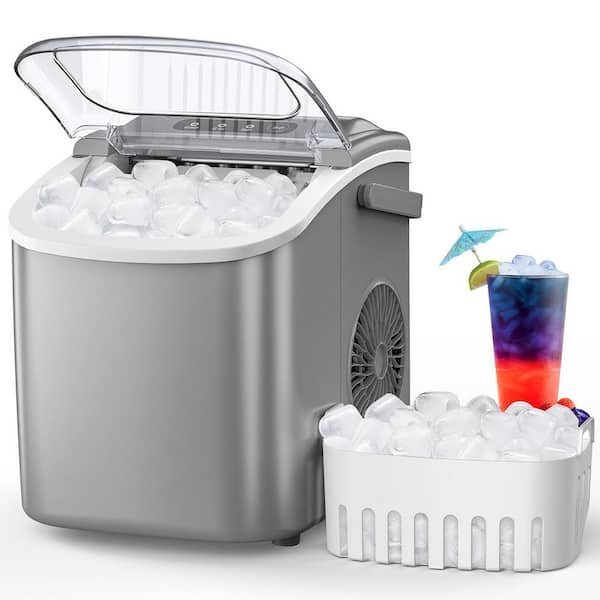
- Entry-level models produce about 20 to 25 pounds of ice per day.
- Expect to pay $100 to $150 for plastic-cased units with basic features.
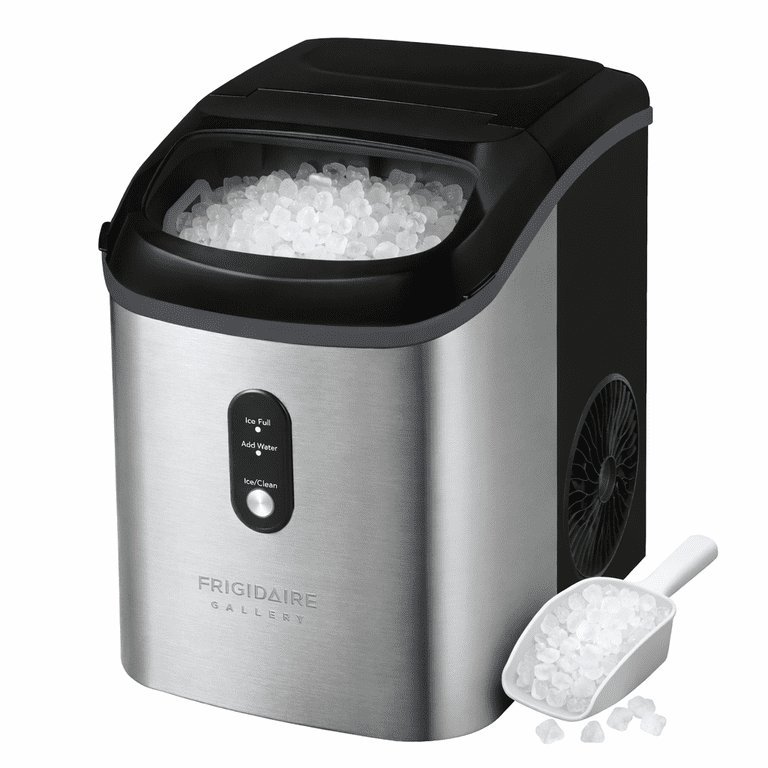
- Stainless steel finishes typically add $50 to $100 to the total price.
- Machines with built-in water filtration systems often start at $250 or more.
- Shipping costs vary by retailer; check if local pickup is available to save.
- Always check the manufacturer’s label for the specific power requirements of your model.
Why costs vary between models
The primary factor driving the price of these appliances is the internal cooling mechanism and the material durability. Cheaper units use basic plastic components and standard compressors, which are effective but louder and less energy-efficient over time. Higher-priced models incorporate stainless steel, which resists rust and provides a more durable exterior. You also pay for the speed of production; a machine that creates ice in six minutes will always cost more than one that takes twelve. If you need a unit for a small office, prioritize a model with an NSF International certification to ensure the ice-making components meet strict public health and safety standards. Always check the product manual for the exact daily capacity before you buy.
When the answer is different
| Situation | What changes | What to do instead |
|---|---|---|
| Commercial use | Higher durability needed | Buy NSF-certified units |
| Large families | Higher daily output | Choose 30lb+ capacity |
| Small kitchens | Compact footprint | Measure counter space first |
| Frequent travel | Portable design | Look for lightweight models |
| Hard water | Filtration required | Add an inline filter |
How to do it properly
- Clear a space on your counter that measures at least 15 inches wide by 18 inches deep for proper airflow.
- Place the unit on a flat, level surface away from heat sources like stoves to prevent the compressor from overheating.
- Clean the interior reservoir with a solution of one part vinegar to ten parts water before you run the first cycle.
- Fill the water tank to the indicated “Max” line; use filtered water to prevent mineral buildup.
- Plug the machine into a grounded wall outlet; avoid using extension cords, which can cause voltage drops and damage the motor.
- Wait 30 minutes after moving the unit before turning it on to let the refrigerant settle inside the cooling system.
- Discard the first two batches of ice produced; these cycles clear out any dust from the manufacturing process in the pipes.
The mistakes that ruin it
- Placing the unit against a wall blocks the exhaust vent, causing the compressor to fail early.
- Using tap water with high mineral content creates limescale, which slows down ice production significantly.
- Leaving the machine running while empty causes the water pump to overheat and fail.
- Cleaning the unit with harsh chemicals or abrasive scrubbers damages the plastic lining and voids the warranty.
Frequently asked questions
Can I leave my ice maker on all the time?
No, you should turn it off when not in use. Constant operation wears down the compressor and pump, and most home models aren’t designed for non-stop, continuous daily production cycles.
How long does it take to make ice?
It takes about six to twelve minutes per batch. This varies by model — check the label for the specific cycle time, as ambient room temperature significantly affects the freezing speed.
Is it safe to drink the ice?
Yes, it’s safe if you use clean, potable water. Always follow the manufacturer’s cleaning schedule to prevent mold or bacteria from growing in the internal water lines and ice tray.
What happens if the ice melts?
The machine recycles the water. Most units aren’t freezers, so the ice will melt back into the reservoir once the bin is full, and the machine will make more.
Does it matter if I use bottled water?
Yes, it’s better for the machine. Using bottled or distilled water prevents mineral buildup, which keeps the ice tasting fresh and extends the lifespan of the internal water pump.
How do I know when it needs cleaning?
If the ice tastes unusual or the production speed drops, perform a deep clean using the manufacturer’s recommended vinegar-based solution immediately.
Final Thoughts
Before you head to the store, measure your kitchen counter to ensure there’s enough clearance for the lid to open fully. Once you’ve picked the right spot, you’ll be ready to enjoy fresh, chilled drinks whenever you’d like. It’s a simple upgrade that’ll make hosting friends feel much easier this summer.
Related guides