
If you are wondering, can you leave ice in a countertop ice maker, the answer is no. The storage bin is not refrigerated, so the ice melts quickly and can harbor bacteria. You should empty the basket after each cycle to keep it clean.
Can you leave ice in a countertop ice maker?
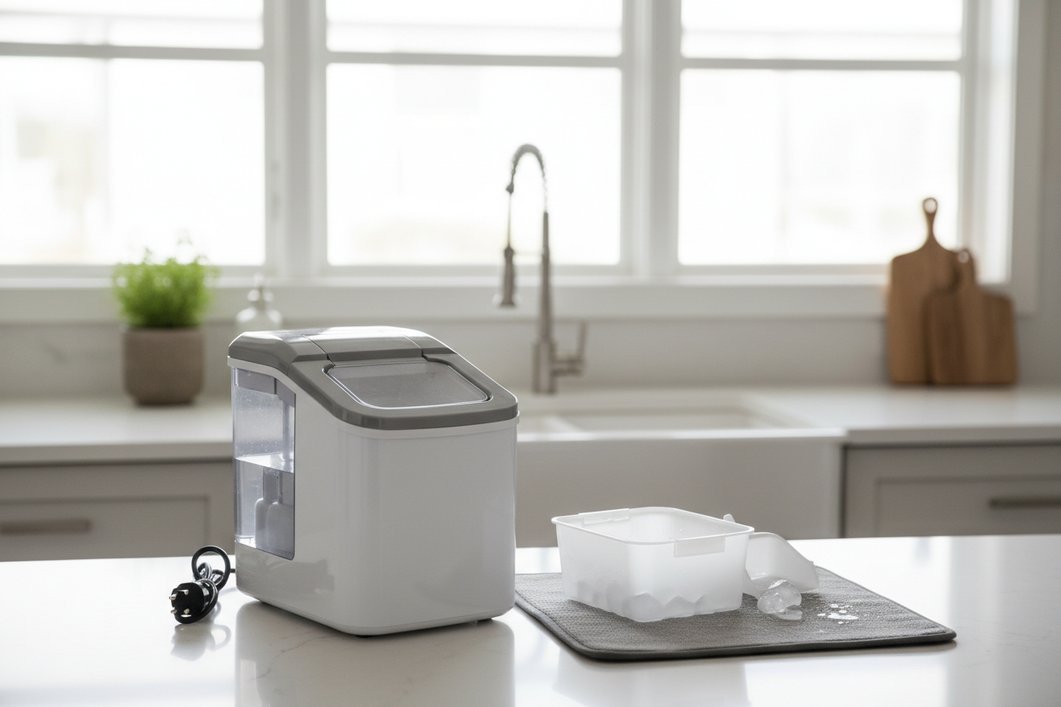
Your usage depends on the specific design of your machine and your need for fresh output.
| Your situation | Answer | Why |
|---|---|---|
| Leaving overnight | No | Ice melts and drains back |
| Short-term (1 hour) | Yes | Minimal melting occurs |
| Using for drinks | No | Bacteria grow in standing water |
| Long-term storage | No | Ice absorbs freezer odors |
| Machine is off | No | Residual water promotes mold |
Factors affecting ice quality
The primary reason you must remove ice is that countertop ice makers aren’t freezers. These units are designed to produce ice, not to maintain a frozen temperature. The bin is usually just a plastic container inside the housing. When the ambient temperature inside the machine rises, the ice melts, and the water flows back into the reservoir. This constant cycle of melting and refreezing lowers the quality of the ice and can lead to mineral buildup. Furthermore, standing water inside the machine is a health risk. If you leave ice in the bin, you risk creating an environment where germs can thrive. If the ambient room temperature is high, the ice will melt in under 30 minutes; if the room is cool, you might get 60 minutes before significant melting begins. If you need ice for later, transfer it to a freezer immediately; if you need it for now, use it while it’s fresh.
Best practices for handling ice
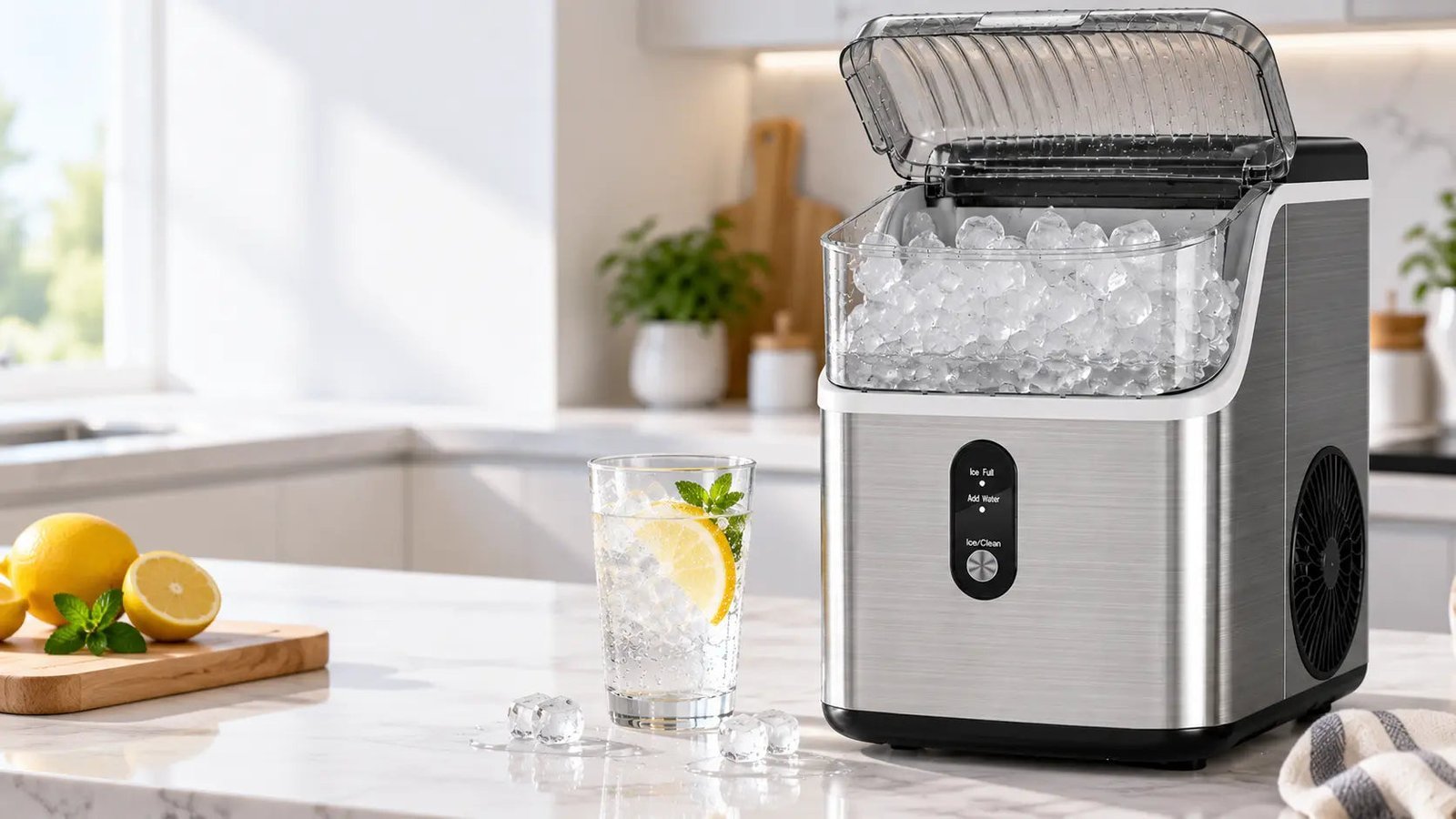
If you choose to use the machine, follow these steps to ensure the ice stays clean and the machine lasts longer.
- Empty the bin as soon as the “full” indicator light turns on to stop the cycle.
- Transfer the ice into a sealed container or a dedicated freezer bag for long-term storage in your freezer.
- Drain the reservoir if you don’t plan to make another batch within the next four hours.
- Wipe the interior with a clean cloth to remove any moisture that could lead to mold growth.
- Leave the lid open slightly to allow air circulation, which prevents odors from building up inside the unit.
Following these steps ensures that you always have fresh, clean ice for your drinks. If you notice the ice looks cloudy or tastes odd, it’s a sign that you have left the water in the reservoir too long and need to perform a full cleaning.
The common storage mistake
People often make the mistake of assuming the “keep warm” or “hold” function on some appliances applies to ice makers, but this is never the case. Leaving the machine on with ice inside costs you in energy efficiency and hygiene. The machine will keep cycling to replace the melted ice, which wastes electricity and puts unnecessary wear on the compressor. The one check to avoid this is to look for the “Ice Full” sensor; if it’s active, the machine has finished its work. If you don’t empty it, you’re simply paying to turn water into ice just to watch it melt again.
When to stop and get help
- Water leaking from the base: This indicates a cracked internal reservoir or a failed seal that requires a professional repair.
- Persistent plastic or chemical smell: This suggests a mechanical or electrical fault that requires inspection.
- Excessive loud grinding noises: These are signs of a failing motor or gear assembly.
- Visible black mold: If mold is inside the water lines, you can’t safely clean it yourself; contact the manufacturer for guidance.
Frequently asked questions
Can I leave the machine on all day?
No, you shouldn’t leave the machine on all day if you aren’t actively using the ice. It will continuously cycle, wasting energy and creating stagnant water that can grow mold.
How long does ice last in the bin?
About 30 to 60 minutes is the maximum time you should leave ice in the bin before it starts to melt.
Is it safe to leave water in the reservoir?
No, you should empty the reservoir after every use to prevent mineral buildup and bacteria. Standing water is the leading cause of odors and performance issues in these small appliances.
Why is my ice melting so fast?
The storage bin isn’t insulated like a freezer. It’s meant for immediate use, so ice will melt quickly once the machine stops the freezing cycle.
Does it matter if I leave the lid open?
Yes, leaving the lid slightly open when the machine is off helps the interior dry out. This prevents the growth of mildew and keeps the unit smelling fresh for the next batch.
What happens if I leave the ice overnight?
The ice will melt completely and drain back into the reservoir. You’ll wake up to a puddle of water and a machine that needs to be drained and dried out.
What to do next
Empty the ice bin into your freezer as soon as the cycle ends to keep the ice solid and clean. You’ll know this process is working when your ice remains clear and odor-free. If you see mold or hear grinding, stop using the machine and contact support.
Related guides
Pingback: How Countertop Ice Makers Work