
Operating ice maker systems simply requires ensuring the water line is connected, the power is switched on, and the bail wire or digital sensor is in the active position to begin freezing water into cubes automatically. It functions like a cold-storage factory inside your freezer.
How the ice maker components operate
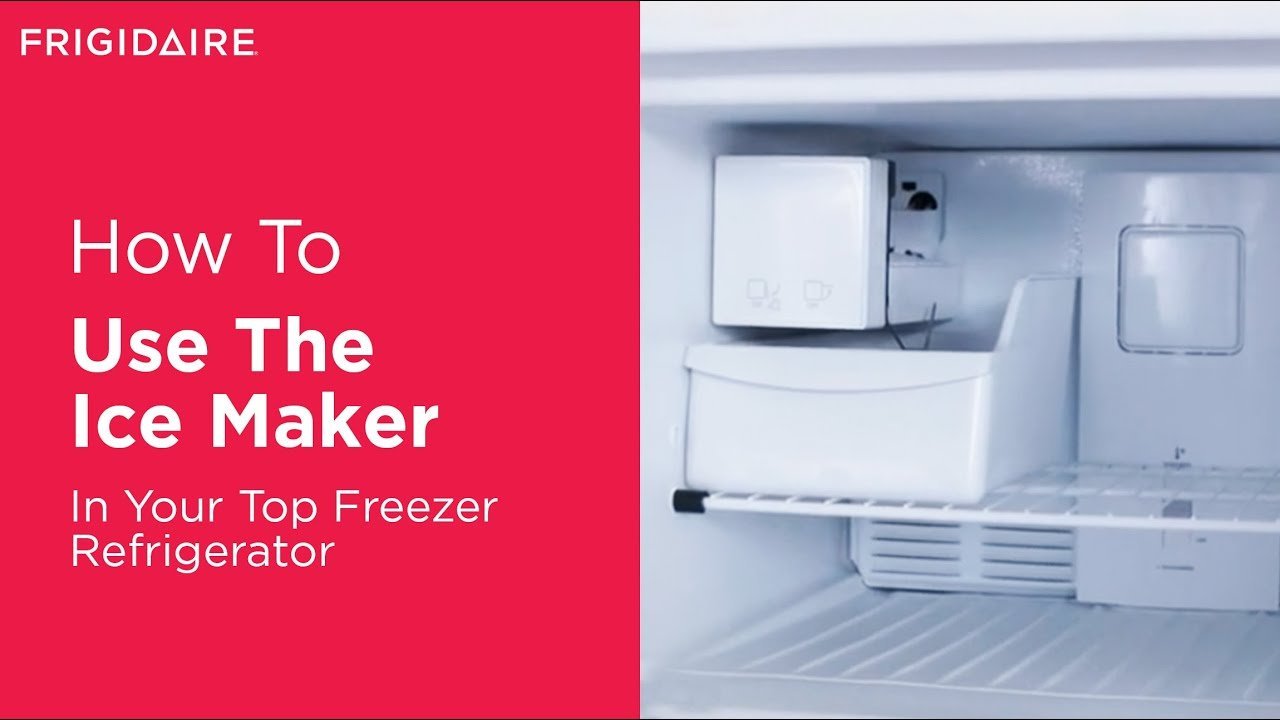
| Part or input | What it does | What you notice when it goes wrong |
|---|---|---|
| Water line | Supplies liquid to mold | Leaks or low production |
| Shut-off arm | Detects bin capacity | Ice overflows or none made |
| Electric heater | Releases cubes from mold | Cubes stick or freeze solid |
| Control board | Manages cycle timing | No cycle or constant running |
| Water filter | Cleans incoming supply | Slow flow or bad taste |
What happens, step by step
- The control board signals the inlet valve to open, allowing water to fill the mold for about 5 to 8 seconds depending on pressure.
- The unit waits for the water to reach freezing temperatures, which typically takes 60 to 90 minutes based on your freezer’s internal thermostat setting.
- A small heater warms the bottom of the mold for roughly 2 minutes to loosen the ice cubes from the plastic surface.
- The ejector blades rotate to push the frozen cubes out of the mold and into the storage bin, taking about 30 seconds total.
- The shut-off arm or sensor checks the bin height; if it hits existing ice, the system stays off until space opens up again.
- The cycle resets immediately if the bin is empty, continuing the process until the storage container is full to its rated capacity.
Why this matters when something goes wrong
Identifying if the problem is mechanical or environmental becomes easier when you understand the cycle. If the bin is empty but the mold contains a solid block of ice, the heater has likely failed, preventing the cubes from releasing. If the mold is bone dry, the issue is usually the water supply or a clogged inlet filter. Keeping your water filter replaced on the schedule provided in your manual is critical to prevent mineral buildup that ruins internal valves. If you hear the motor running but no ice drops, a gear may be stripped. If the unit makes no noise at all, check the power connection or the shut-off arm position.
What you can change, and what you cannot
Things you can change
- The temperature setting of your freezer, which should stay at zero degrees Fahrenheit for best results.
- The frequency of filter changes, usually as indicated by the status light or your manual.
- The position of the wire shut-off arm to stop production when you have enough ice.
- The level of the appliance, which ensures water fills the mold evenly without spilling.
Things you can’t change
- The cycle timing, which is hard-coded into the internal control board by the manufacturer.
- The mold shape, which is fixed to the specific tray design of your appliance.
- The water pressure requirements, which vary by model — check the label for the exact PSI range.
Getting more out of it
Consistent ice production depends on habits that keep the system running smoothly. First, empty the bin regularly to prevent old ice from absorbing freezer odors or clumping together. Second, if your home has hard water, use an inline water softener to keep the inlet valve from calcifying. Third, keep the freezer door closed as much as possible, as frequent temperature spikes delay the freezing cycle by 15 to 20 minutes each time. Finally, if you go on vacation, turn the ice maker off and empty the bin to prevent stale ice from forming.
Frequently asked questions
Why is my ice maker not making ice?
It’s likely the water supply is shut off or the bin is already full. Check that the water valve behind the fridge is open and the shut-off arm is in the “down” position.
How long does it take to make a full bin?
It usually takes 24 to 48 hours to fill an empty bin. This varies by model — check the label for the specific production capacity per day for your unit.
Is it safe to eat the first batch of ice?
No, you should discard the first two or three batches of ice. This clears out any dust or residue left in the lines from the manufacturing or installation process.
Does the freezer temperature matter?
Yes, the freezer must be at or below zero degrees Fahrenheit for the ice to freeze properly. If the temperature is too high, the cycle won’t start or cubes will be soft.
What happens if the water pressure is too low?
Low pressure causes the mold to underfill, resulting in small, hollow, or misshapen ice cubes. Verify your home water pressure matches the requirements found in your official owner’s manual.
How do I reset the ice maker?
You can usually reset the unit by pressing the reset button on the side of the housing or by unplugging the fridge for 60 seconds. Consult your manual for the specific reset sequence.
Final Thoughts
Once your machine starts producing, keep an eye on the bin to ensure it doesn’t overflow. If you notice the cubes sticking together or tasting strange, it’s probably time to clean the unit. You’ll find that regular maintenance keeps your drinks perfectly chilled and refreshing all summer long.
Related guides
Pingback: Ice Maker How It Works: The Step-by-Step Cooling Process