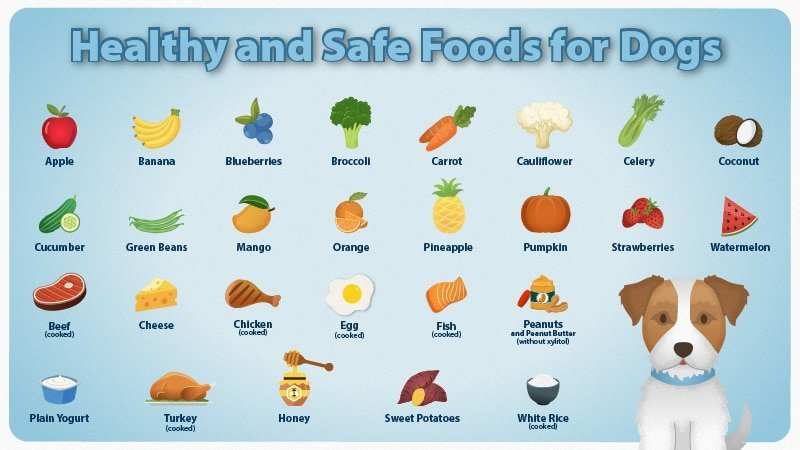
If you are wondering what house food is good for dogs, plain boiled chicken, cooked white rice, and steamed carrots are suitable options when prepared without seasonings or oils.
The short version

- Serve plain, skinless chicken breast boiled in water without salt or onions.
- Offer cooked white rice that’s soft and completely plain, not fried.
- Provide steamed carrots or green beans as healthy, fiber-rich vegetable snacks.
- Keep portion sizes small; treats should never exceed 10% of total daily calories.
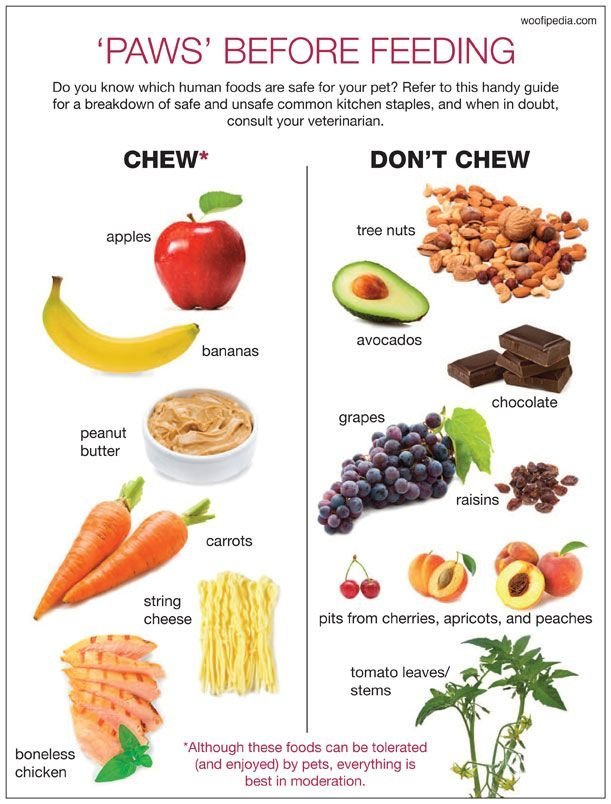
- Avoid all grapes, raisins, onions, garlic, chocolate, and anything containing xylitol.
- Introduce any new food item slowly to monitor for stomach upset or reactions.
Why dogs eat specific human foods
Dogs have different nutritional needs than humans, so choosing the right house food matters for their long-term health. Proteins like chicken provide essential amino acids for muscle maintenance, while simple carbohydrates like rice offer a quick energy source that’s gentle on the stomach. Vegetables such as carrots add vitamins and fiber, supporting digestive health without adding excessive calories. The American Kennel Club guide on human foods provides a detailed breakdown of which items are safe for canine consumption. Always ensure food is cooked thoroughly and served plain. Never add butter, salt, garlic, or onions, as these are common kitchen staples that can be toxic or cause severe digestive distress in dogs. If you’re unsure about a specific item, check the label or consult your veterinarian before feeding it to your pet.
When the answer is different
| Situation | What changes | What to do instead |
|---|---|---|
| Dog has allergies | Protein source | Try boiled white fish |
| Needs weight loss | Calorie density | Use steamed green beans |
| Sensitive stomach | Fiber amount | Consult your veterinarian |
| High energy dog | Carbohydrate intake | Add more cooked oats |
| Puppy diet | Nutrient balance | Follow vet growth plan |
How to do it properly
- Remove all skin and bones from chicken breasts to prevent choking or digestive blockages.
- Boil 200 grams of chicken in plain water until the internal temperature reaches 165°F.
- Prepare 100 grams of plain white rice by boiling it in water until soft and fully cooked.
- Steam 50 grams of fresh carrots until they’re tender enough to cut with a fork.
- Mix the cooled chicken, rice, and carrots together in a clean bowl for a balanced meal.
- Check your dog for signs of loose stool or vomiting during the first 24 hours of eating.
- Adjust portions based on your dog’s weight; a small dog needs less than a large breed.
- This assumes the dog is healthy; check with a vet if your dog has existing medical conditions.
The mistakes that ruin it
- Adding onion or garlic powder to the food, which causes damage to a dog’s red blood cells.
- Feeding cooked bones that can splinter and puncture the throat or stomach lining of the animal.
- Giving large portions that lead to rapid weight gain and place stress on the dog’s joints.
- Using butter or oil during the cooking process, which often triggers painful pancreatitis in dogs.
Frequently asked questions
Can dogs eat plain scrambled eggs?
Yes, dogs can eat plain scrambled eggs cooked without butter, oil, or salt. Eggs are a great source of protein and vitamins, but ensure they’re fully cooked to avoid risks like salmonella.
Is it safe to feed dogs cheese?
Small amounts of plain cheese are generally safe, but many dogs are lactose intolerant. If your dog shows signs of gas or diarrhea after eating dairy, stop feeding it immediately.
How long can I keep cooked food in the fridge?
Cooked food for dogs should be kept in the refrigerator for no more than three days. Always store it in an airtight container to prevent bacterial growth and cross-contamination.
Does it matter if the rice is brown or white?
White rice is usually better for dogs with upset stomachs because it’s easier to digest. Brown rice has more fiber, which can be difficult for some dogs to process quickly.
What happens if my dog eats grapes?
Grapes and raisins are highly toxic to dogs and can cause sudden kidney failure. If your dog eats any amount of grapes, contact your veterinarian or an animal poison control center.
Can dogs eat peanut butter?
Dogs can eat peanut butter as long as it doesn’t contain the sweetener xylitol. Always check the ingredient label carefully, as xylitol is extremely dangerous for dogs even in small amounts.
Final Thoughts
Before adding these snacks to your dog’s routine, it’s best to chat with your vet. They’ll help you figure out the right portion sizes for your pet’s specific health needs. Once you’ve gotten the green light, you’ll feel great knowing you’re providing a fresh, wholesome treat they’ll truly love.
Related guides