
To learn how to use ice machine in freezer units, ensure the water line is connected, the sensor is on, and the temperature is set correctly. Consult your owner’s manual for specific initial flush requirements.
The most important factor is the water pressure, which must meet the manufacturer’s PSI requirements to prevent leaks or mechanical damage. A common mistake is failing to discard the first two or three batches of ice. These initial cycles often contain residue from the new lines, which can affect the taste of your ice.
How to use ice machine in freezer: Getting started
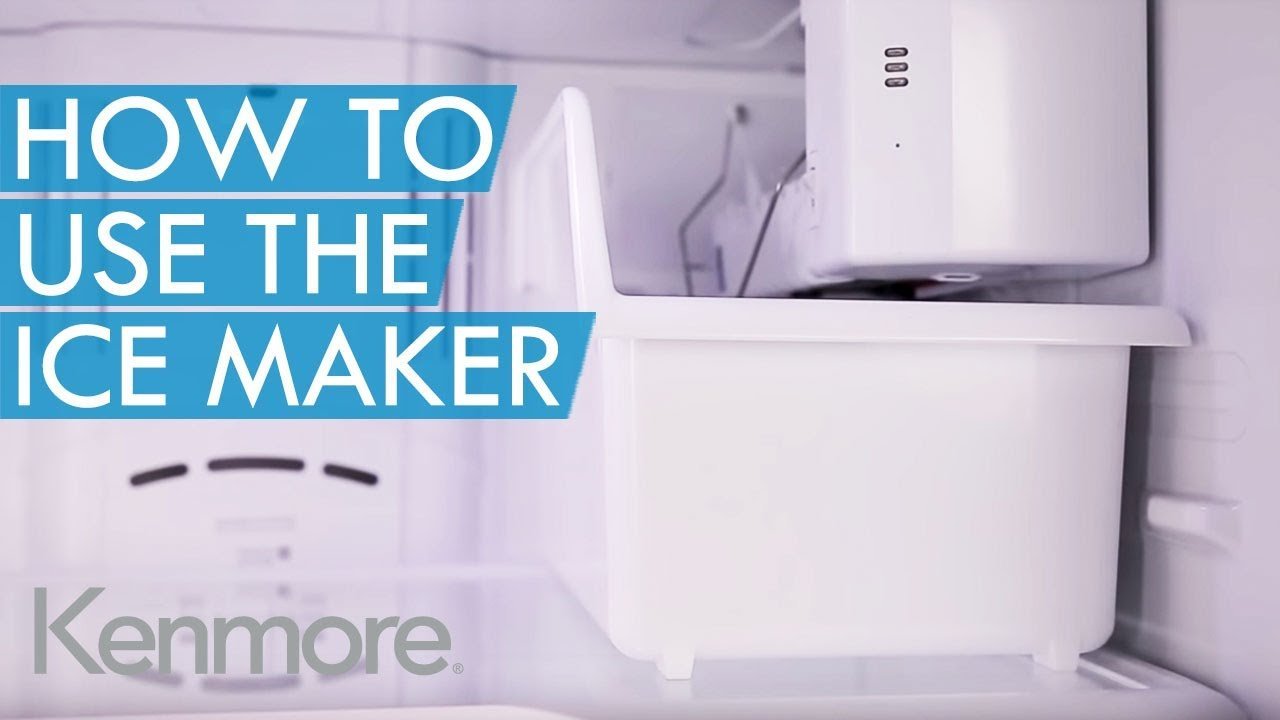
- Verify that the water supply valve is fully open and that the line is free of kinks.
- Push the wire shut-off arm down or toggle the digital switch to the “on” position to engage the harvest cycle.
- Wait for the freezer to reach its operating temperature, which usually takes about 24 hours for the first bin of ice to form.
- Discard the first three full cycles of ice to clear any dust or plastic taste from the new tubing. Tip: If the ice maker doesn’t start, confirm the freezer door is fully closed, as many models have a safety switch that halts production when the door is open.
- Clean the bin regularly with mild soap and warm water to prevent mineral buildup and odors. Tip: Avoid using abrasive scrubbers on the plastic bin, as scratches can trap bacteria.
Production Timelines
The time it takes to produce ice depends on the freezer’s temperature settings and the water temperature.
| Situation | How long | What changes it | What to watch for |
|---|---|---|---|
| First cycle | 24 hours | Ambient temp | Initial cooling time |
| Standard cycle | 90 minutes | Water pressure | Bin fill level |
| Rapid chill mode | 60 minutes | Power settings | Faster motor wear |
If your production is much slower than these estimates, check the water filter for clogs. If the filter is clean and the line is clear, the internal thermostat may need professional calibration.
Signs of Proper Operation
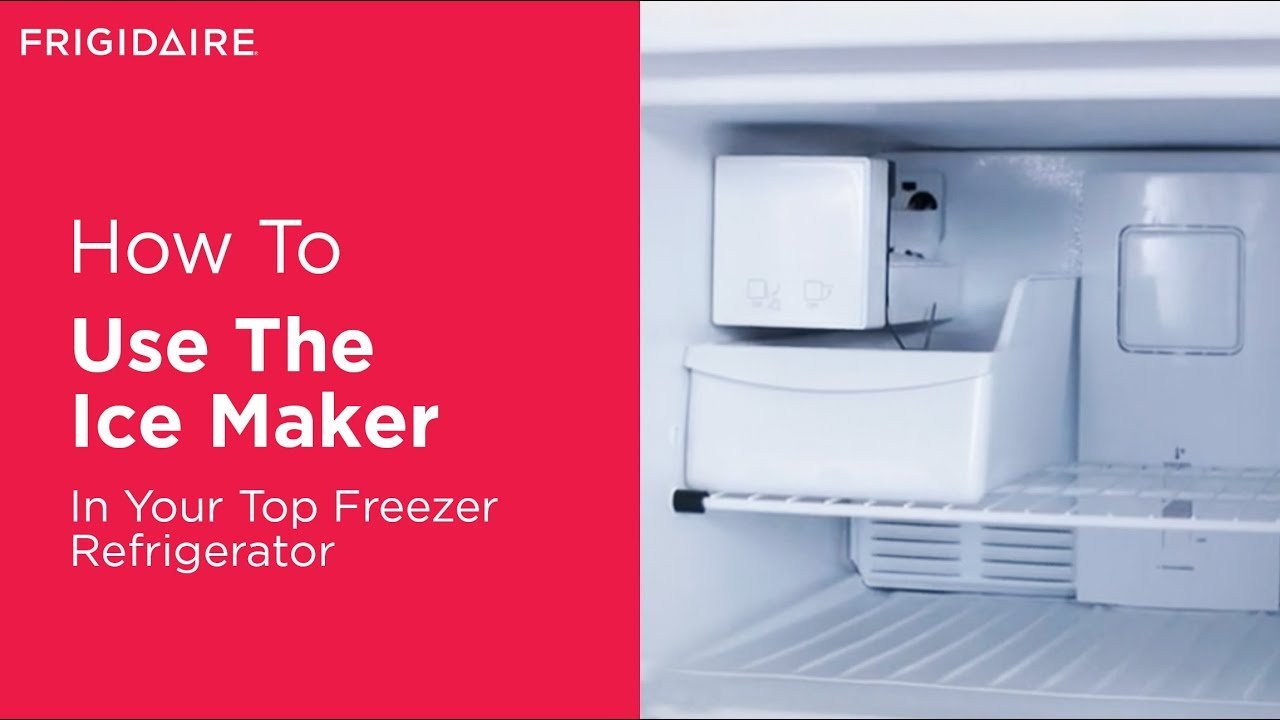
You know the system is working when you hear the water valve click open followed by the sound of water flowing into the mold. Once the ice freezes, you’ll hear a mechanical “thunk” as the harvest arm pushes the cubes into the bin.
The ice should be clear and uniform in shape. If the cubes are small or “hollow,” it usually indicates low water pressure or a partially blocked filter. Test this by checking your sink’s flow rate; if it’s sluggish, replace your filter immediately. Ignoring this often leads to a burnt-out solenoid valve, a repair that’s often expensive.
If the ice is clumped together, the freezer temperature is likely fluctuating too much. This causes partial melting and refreezing. If you see frost buildup on the bin, verify your door seal is airtight. A simple dollar-bill test confirms this: if the bill slides out easily, replace the gasket.
Mistakes that Ruin Ice Quality
- Leaving the ice bin empty for too long: This allows the ice maker’s sensor to incorrectly trigger a harvest cycle, which can cause the mechanism to jam.
- Using a sharp tool to break up ice: You might puncture the internal cooling coils or crack the plastic bin. Always use your hands or a soft silicone spatula to break apart stuck ice clusters.
- Neglecting the water filter: A dirty filter restricts flow and introduces impurities into your ice. Replace your filter regularly or as indicated by the “change filter” light on your display.
Frequently asked questions
Can I turn off my ice maker?
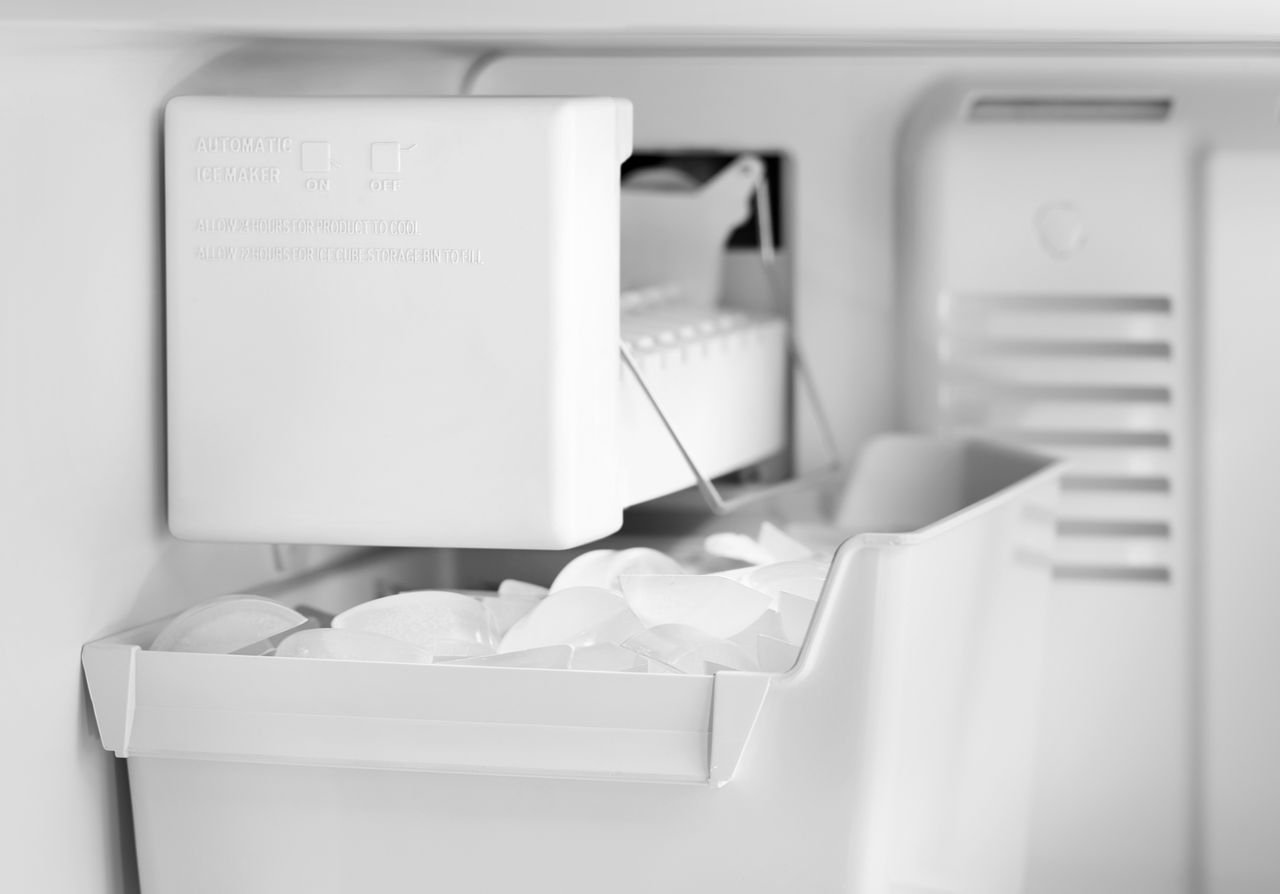
Yes, you can turn it off by lifting the wire bail arm to the “up” position or selecting “off” on your digital control panel. This is useful if you’re going on vacation or if the bin is already full and you don’t need more ice.
Why is my ice maker making loud noises?
It’s usually normal to hear clicking, buzzing, or whirring sounds during the harvest cycle as the motor moves the cubes. If you hear a loud grinding or banging sound, it may indicate a mechanical failure, and you should call a professional technician to inspect the internal gears.
Is it safe to eat ice from a new machine?
Yes, but you must discard the first three batches of ice before using any. This clears the lines of manufacturing residue and ensures the water is fresh. Never consume the very first harvest, as it may contain debris from the factory installation process.
How long does an ice maker last?
The lifespan of an ice maker varies by model and maintenance, but older units may eventually require service. This varies by model — check the label or manual for the expected service life. If yours fails, a technician can replace the module without needing a new freezer.
What happens if the water line freezes?
If the water line freezes, the ice maker will stop producing ice because it can’t receive water. This often happens if there’s poor airflow or if the water line is routed too close to the cooling coils; consult a technician to inspect the line.
Final Thoughts
Once your bin starts filling up, keep an eye on the cubes to ensure they don’t clump together. If you notice the flow slowing down, it’s a good idea to clear out any old ice every few weeks. You’ll enjoy fresh, cold drinks whenever you’re ready for a refreshing treat at home.
Pingback: How to Turn on an Ice Machine: Step by Step Setup Guide