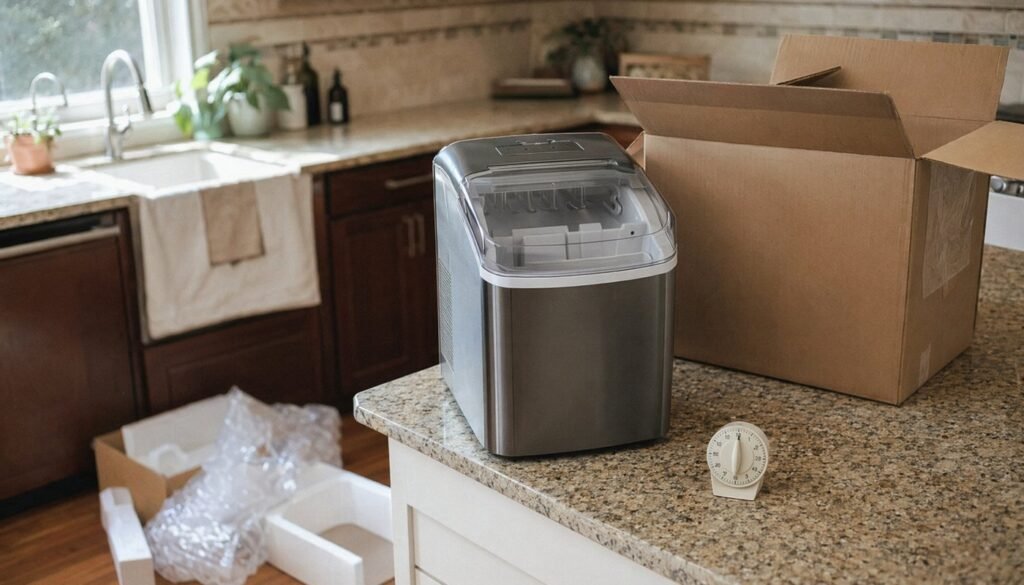
To determine what is a good ice maker, look for a machine that produces 26 to 40 pounds of ice daily with simple controls. Output drops if room temperatures exceed 70°F, and units with dedicated drain pumps cost more to run.
The short version
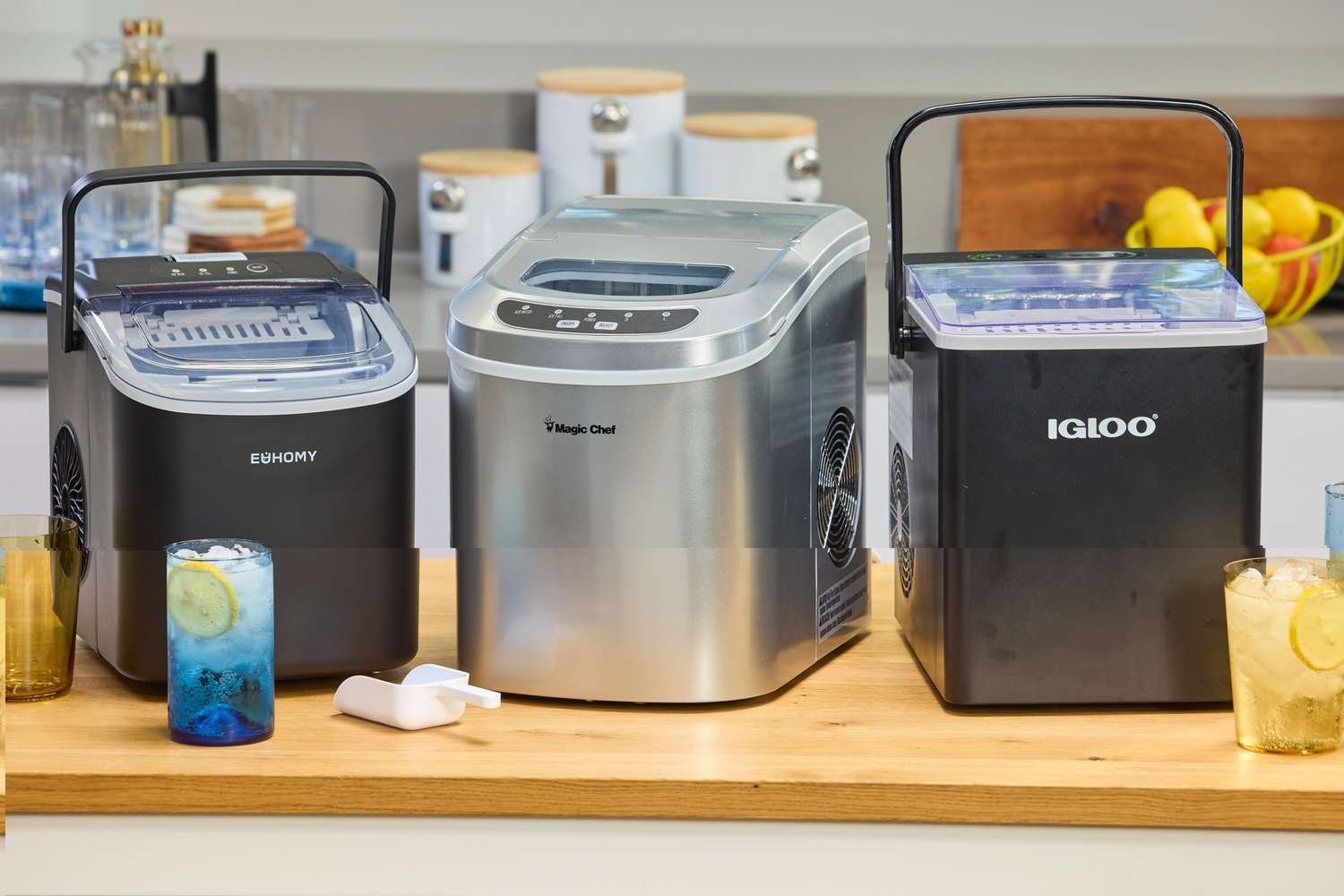
- A standard home unit yields about 26 pounds of ice every 24 hours in a 70°F room.
- Look for cycle times between 6 and 10 minutes per fresh batch of 9 hollow cubes.
- Portable units don’t refrigerate their collection bins, so stored cubes melt back into the reservoir continuously.
- Clear ice models run water across a cold plate to freeze pure layers, while bullet machines freeze water on cold metal prongs.
- Hard tap water forces a descaling cleaning cycle every 3 to 4 weeks using 1 cup of food-grade white vinegar.
- Built-in undercounter units require a floor drain or an extra pump that pushes wastewater into a dedicated drain line.
Why freezing methods change ice quality
Freezing speed and water movement control how clear and dense the finished ice becomes. Bullet ice makers dip metal evaporator fingers into standing water trays. The outside freezes rapidly, trapping tiny dissolved air bubbles and mineral ions inside each hollow cylinder. This process creates cloudy, soft ice that chills a drink quickly but melts within minutes.
Clear ice machines pump water in a constant flow over an upright metal plate. Pure water freezes at 32°F, while minerals like calcium stay dissolved in the moving liquid longer. The falling water freezes in paper-thin layers from the plate outward, washing the unwanted minerals down into a catch basin. The resulting cube is dense, hard, and solid. The trade-off is cycle length: clear ice takes about 25 to 40 minutes per batch, compared to 7 minutes for hollow bullet shapes. This varies by model — check the label for the exact compressor cycle ratings.
When the answer is different
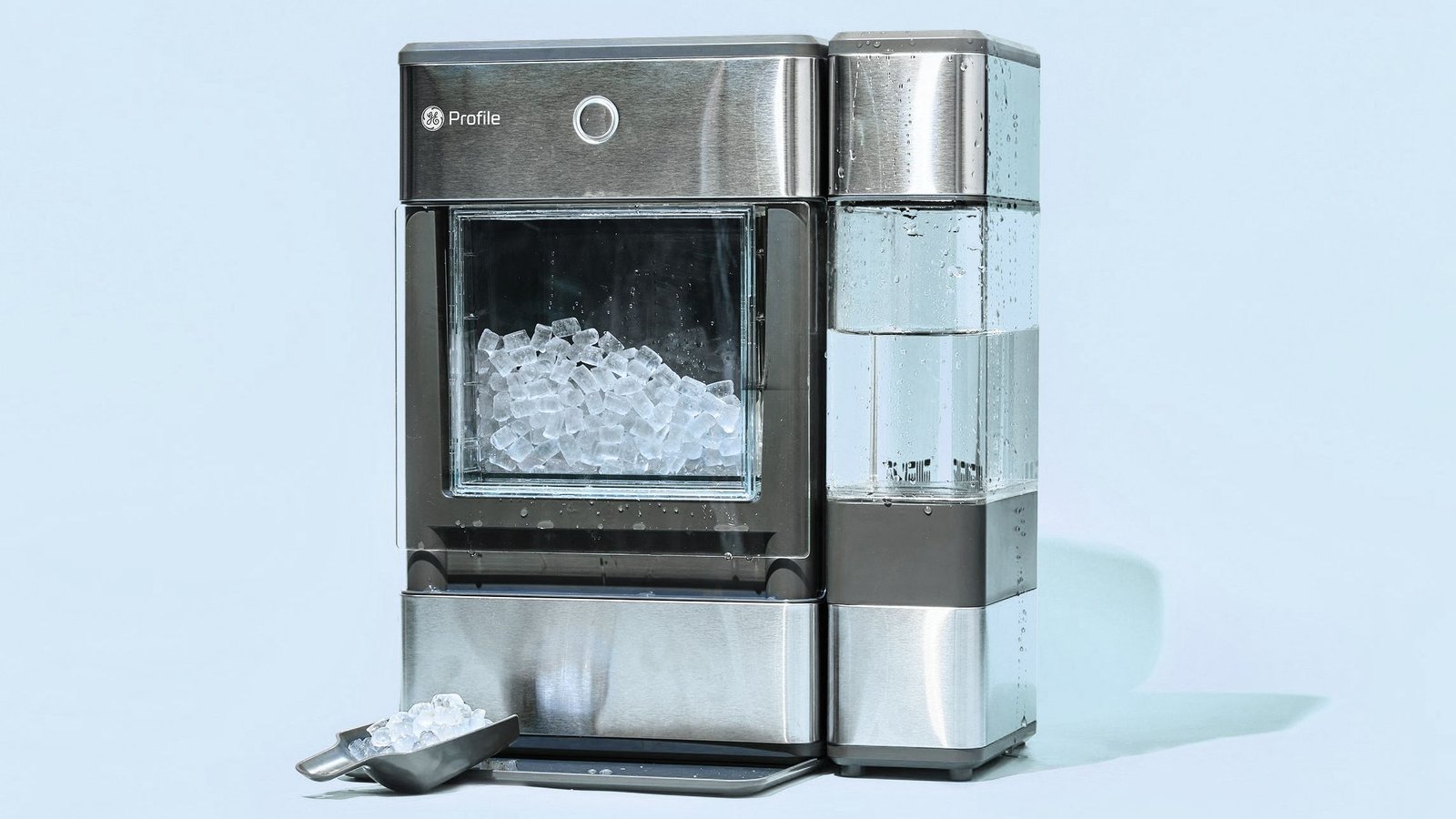
A portable bullet machine solves simple kitchen needs, but specific lifestyles require completely different hardware.
| Situation | What changes | What to do instead |
|---|---|---|
| Hot patio or garage | Ambient heat stalls cooling | Buy an outdoor-rated unit |
| Chewable nugget preference | Hard cubes hurt teeth | Pick an auger-style maker |
| Basement bar setup | Wastewater can’t flow down | Add an internal drain pump |
| Large party serving | Small baskets empty immediately | Use a high-capacity commercial maker |
| Hard municipal tap water | Mineral scale chokes sensors | Install an inline water filter |
How to do it properly
- Place the machine on a level counter with at least 4 inches of clear space behind the rear air fan.
- If your water source contains high mineral content, install a 5-micron water filter; if your tap water is soft, skip straight to filling.
- Pour water into the lower reservoir beneath the plastic ice basket, following the manufacturer’s maximum fill line.
- Plug the grounded three-prong plug directly into a dedicated wall outlet, avoiding thin household extension cords.
- Press the power button once, selecting the small cube size setting to speed up the initial warm startup cycle.
- Discard the first 2 batches of fresh ice, which clean out factory dust and smell like fresh plastic.
- Empty the storage basket into your freezer bag once it fills up to prevent excess melting.
The mistakes that ruin it
- Using thin extension cords starves the motor of starting amperage, causing the internal compressor to overheat and shut off.
- Leaving hard water inside the reservoir coats the water level pins with limescale, making the sensor falsely report an empty tank.
- Placing the unit tight against walls blocks warm exhaust air, doubling the cycle time required for every batch.
- Forgetting to clean the reservoir breeds black mold, leaving floating black specks in every cold glass.
Frequently asked questions
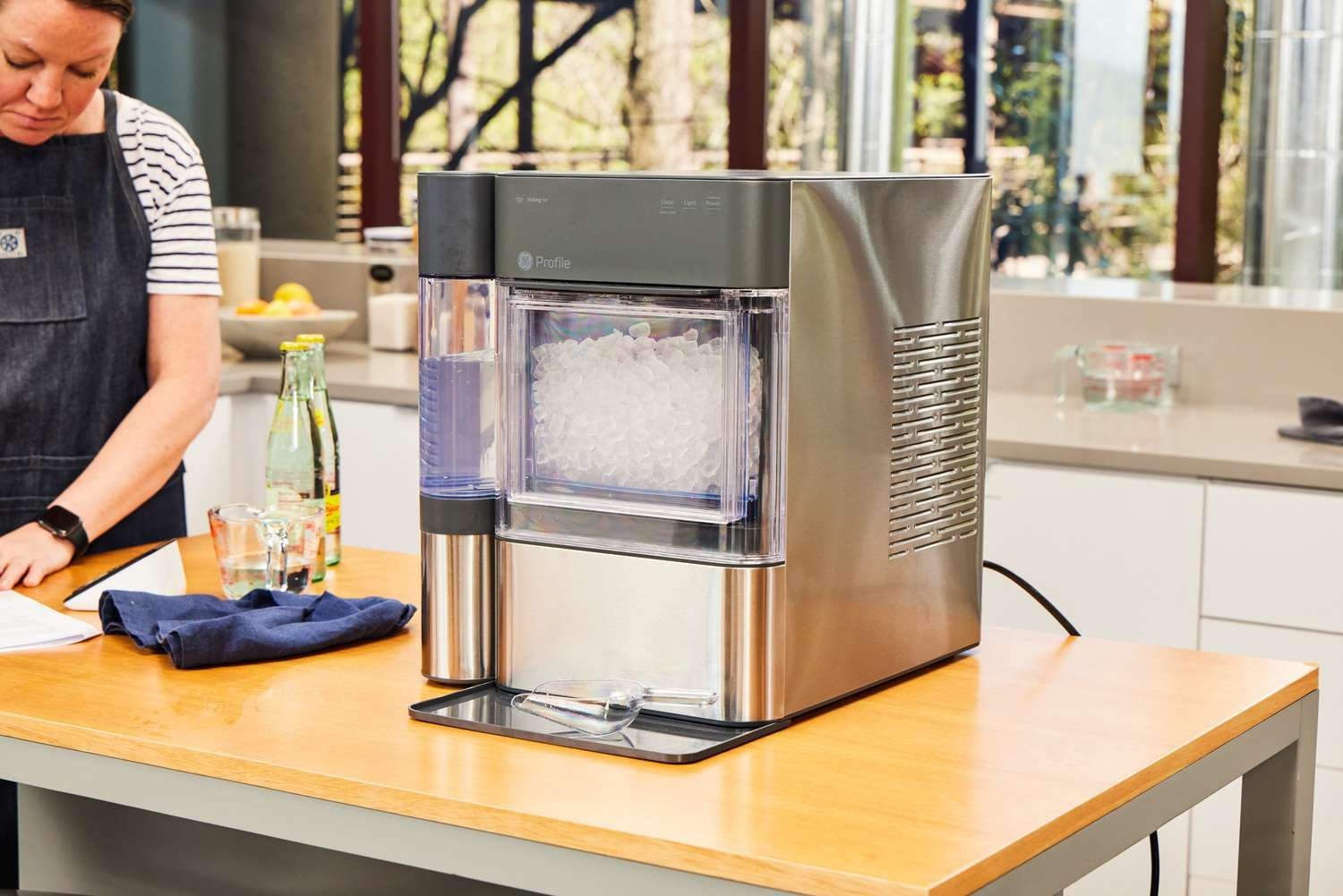
Can you leave a portable ice maker on all the time?
Yes, you can leave it powered on continuously. It detects when the basket fills, turns off the freezing prongs, and holds the melted water in the bottom tank to freeze again once space opens up.
Why does my ice taste bad?
The machine collects stale water minerals or old food odors from the air. Drain the entire machine and scrub the plastic tank with diluted lemon juice to remove trapped odors.
How long does a portable unit take to make ice?
About 7 minutes for bullet-style cubes in a standard room. If your room warms past 80°F, batch times stretch up to 12 minutes because the condenser can’t cool the refrigeration coils fast enough.
Is clear ice better than cloudy ice?
Yes, because clear cubes contain no trapped air pockets. They melt much slower in your beverage, which keeps your drink cold without watering down the flavor as quickly as white, hollow bullet ice.
What happens if you don’t descale it?
Calcium deposits turn into a white rock crust on internal tubes. The water pump eventually binds and burns out the drive motor, which permanently ruins the appliance.
Does a portable ice maker keep ice frozen?
No, the storage bins lack active cooling insulation. Once cubes drop into the basket, warm room air slowly melts them, and the resulting water drips back down into the lower reservoir for the next freeze.
What is a good ice maker for your home?
This product isn’t for households needing over 50 pounds of dense party cubes per day. It can’t replace a chest freezer, nor can it provide large bags of crushed ice for big coolers instantly.
Final Thoughts
Choosing the right model depends on how often you host guests and where you plan to place the unit. Before you buy, measure your available counter space carefully to ensure a perfect fit. You’ll find that having a steady supply of fresh ice makes entertaining much easier for everyone involved.
Related guides