
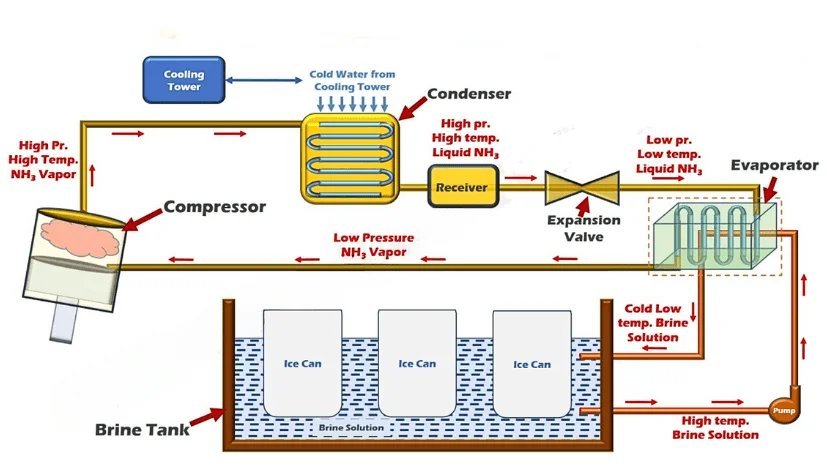
To understand how do counter top ice makers work, consider that they use an internal pump to move water from a reservoir onto a chilled metal grid, where it freezes into solid bullets as metal fingers pull heat away.
How do counter top ice makers work?
| Part or input | What it does | What you notice when it goes wrong |
|---|---|---|
| Water Reservoir | Holds liquid for freezing | Ice production stops completely |
| Metal Fingers | Freeze water into shapes | Ice is thin or slushy |
| Water Pump | Moves water to tray | No water reaches the grid |
| Sensors | Monitor ice levels | Machine runs while full |
| Cooling Fan | Removes excess heat | Unit feels hot to touch |
What happens, step by step
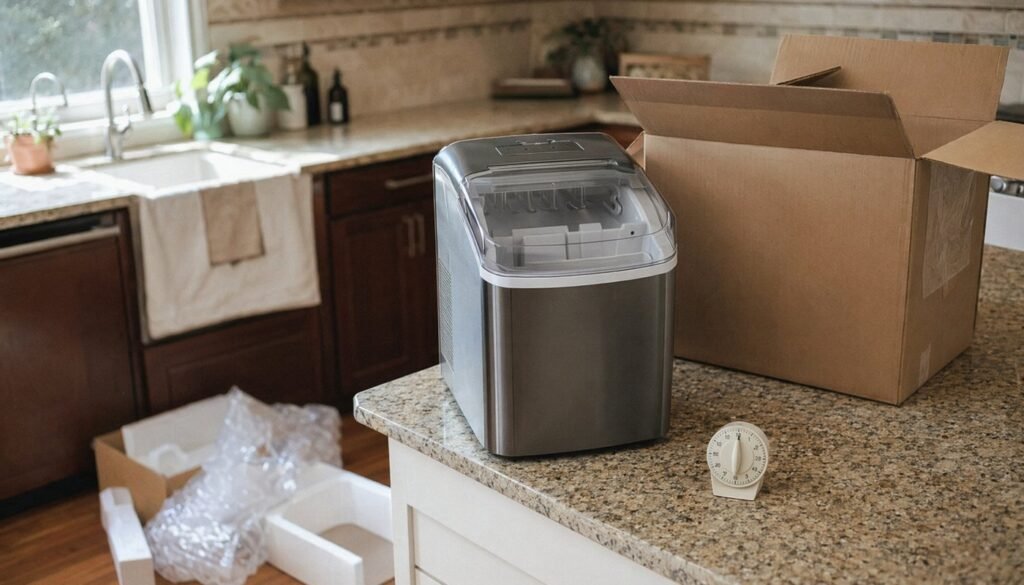
- You pour fresh water into the reservoir until it reaches the fill line marked inside the plastic basin.
- The internal pump pushes a specific amount of water into the freezing tray located above the main water tank.
- Cold refrigerant flows through the metal fingers, which drop into the water and begin the freezing process for ten minutes.
- The fingers heat up slightly for thirty seconds to release the frozen ice bullets, allowing them to drop into the basket.
- A plastic shovel arm pushes the newly formed ice into the storage bin, which holds about two pounds of ice.
- The machine repeats this cycle every fifteen minutes until the infrared sensors detect that the storage basket is completely full.
Why this matters when something goes wrong
The freezing cycle depends on the temperature of the water and the surrounding air. If your room is too warm, the heat exchange process slows down significantly. This makes the machine work harder to extract heat from the water, often resulting in “hollow” or thin ice bullets. If the machine runs but produces nothing, the pump has likely failed or become blocked by mineral buildup. If you notice the machine is loud, check the cooling fan for dust. A machine that stops making ice despite a full reservoir usually has a faulty sensor. If the ice is melting faster than it forms, you’re likely using water that’s already too warm, which forces the system to work beyond its design limits.
What you can change, and what you cannot
Things you control
- The temperature of the water you pour into the reservoir at the start.
- How often you clean the internal tray to prevent hard water buildup.
- The location of the machine, ensuring at least six inches of airflow space.
- The frequency of emptying the ice basket to ensure sensors work properly.
Things fixed by design
- The maximum size and shape of the ice bullets produced by the fingers.
- The total cooling capacity of the internal compressor and refrigerant system.
- The safety shut-off mechanism that triggers when the basket is full.
- The electrical draw of the motor, which is set by the manufacturer.
Getting more out of it
Use distilled water to prevent white mineral flakes from clogging the tiny pump and spray bars. If you notice the ice cycle takes longer than fifteen minutes, move the unit to a cooler room away from direct sunlight or the oven. Always empty the reservoir completely if you plan to leave the machine unused for more than two days to stop bacteria from growing in standing water. Wipe the internal fingers with a soft cloth and white vinegar regularly to ensure the metal stays clean. This simple maintenance keeps the heat transfer efficient and extends the life of your pump.
Frequently asked questions
Why is my ice maker noisy?
It’s likely the cooling fan or the pump working against mineral deposits. If the noise is a grinding sound, turn the unit off and check the water pump for debris or scale buildup that prevents smooth operation.
How long does it take to make ice?
A typical cycle takes about ten to fifteen minutes depending on the ambient air temperature. If the room is very warm, the cooling system takes longer to reach the freezing point for the water.
Is it safe to leave it plugged in?
Yes, these devices are designed to stay plugged in while in use. However, if you aren’t planning to make ice for several days, it’s better to unplug the unit to save energy and prevent stagnation.
What happens if I use tap water?
You can use tap water, but it often leads to mineral scale buildup inside the pump and on the freezing fingers. Use filtered or distilled water if your local tap water is hard to prevent this.
Does it need a water line?
No, these machines are portable and don’t require a permanent water line. You must manually add water to the reservoir whenever the “add water” light turns on, as the unit uses a batch-style process.
Why is my ice thin?
The machine is likely struggling with heat or has dirty sensors. Check that the room is cool and that no dust is blocking the air vents, as restricted airflow prevents the refrigerant from cooling properly.
Final Thoughts
Keeping your machine clean is the best way to ensure your ice always tastes fresh. You’ll want to run a vinegar and water solution through the system every few months to prevent mineral buildup. It’s a simple habit that’ll keep your appliance running smoothly for many summers to come.
Related guides
Pingback: How to Turn on Ice Maker in Freezer: Simple Activation Steps