
If you are wondering where can i buy an ice maker, you can find them at big-box electronics retailers, home improvement centers, or manufacturer websites, depending on whether you need a portable countertop model or a permanent installation.
Why it works / what to know first
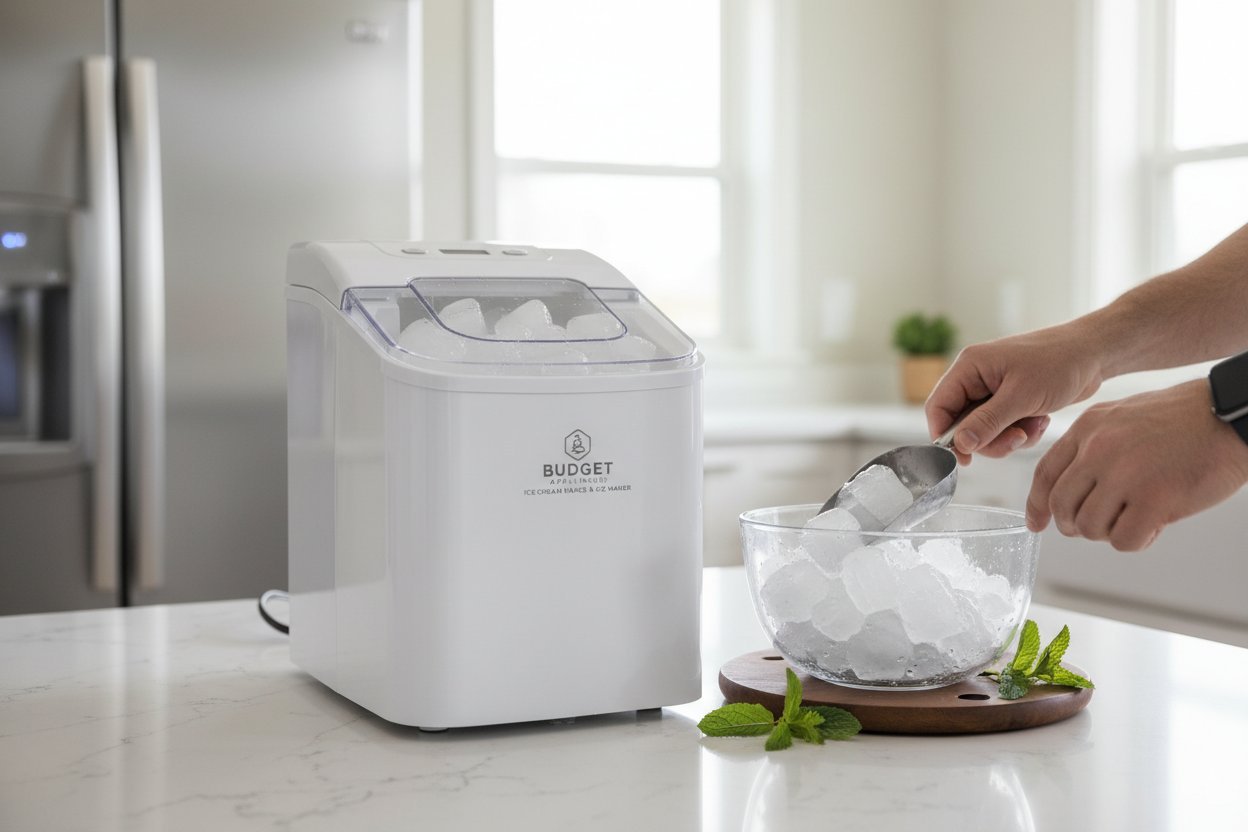
The most important factor is the intended water source. Portable units require manual filling, while built-in models need a dedicated water line connection. Most people fail to check their available cabinet space or plumbing access before purchasing, which often leads to expensive returns or the need for a professional plumber to modify existing pipes.
Always verify if your chosen model is rated for indoor or outdoor use. Outdoor units require specific weatherproofing to prevent electrical hazards and compressor failure in extreme temperatures.
Where can I buy an ice maker: Selecting the right unit
- Measure your available space precisely, noting both the height and the depth of the cabinet or countertop area.
- Select your cooling method based on your volume needs, as air-cooled models are standard for homes, while water-cooled units are quieter but require extra plumbing.
- Verify the ice production rate, which is typically measured in pounds per twenty-four hours under ideal ambient temperatures of seventy degrees Fahrenheit.
- Confirm the storage bin capacity, as a high production rate doesn’t guarantee a large holding bin for when you host guests.
- Consult a licensed plumber if you’re installing an under-counter unit that requires a gravity drain or a pump to move water to a nearby sink line.
Tip: If you’re buying a portable unit, ensure you have at least six inches of clearance on all sides for proper ventilation.
How long it takes
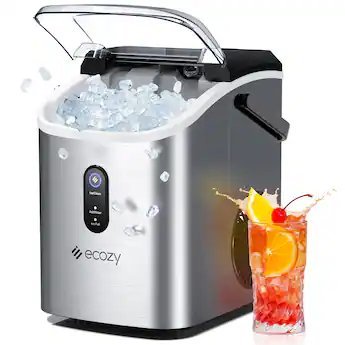
The time required to produce your first batch varies significantly based on the model and the ambient temperature of your room.
| Situation | How long | What changes it | What to watch for |
|---|---|---|---|
| Countertop model | 10–15 mins | Water temperature | Ambient heat |
| Built-in (small) | 30–45 mins | Water pressure | Filter clogs |
| Built-in (large) | 60+ mins | Insulation quality | Bin sensors |
How to tell when it’s done
Most modern machines use an infrared sensor to detect when the ice bin is full. When the ice reaches the sensor level, the machine automatically pauses production. You can verify this by checking the control panel for a “bin full” light. If you’re using a manual machine, the sound of the machine will change from a quiet hum to a sharp clatter as the ice drops, followed by a period of silence. If the machine runs but no ice falls, the water reservoir might be empty or the evaporator coils may have a thick layer of mineral scale.
Mistakes that ruin it
- Ignoring water filtration: Using hard water leads to mineral buildup on the evaporator plate, which slows down production and ruins the ice’s taste. Install a dedicated water filter to protect the internal components from scale.
- Poor ventilation: Placing a machine in a tight, enclosed cabinet causes the compressor to overheat and shortens the lifespan of the motor. Always leave the manufacturer-recommended gap for airflow.
- Using incorrect water temperatures: Using water that’s too warm forces the machine to work harder, increasing energy costs and reducing the daily yield. Use cold, filtered water for the best results and faster cycles.
Frequently asked questions
Can I install an ice maker myself?
Yes, you can install a portable unit yourself by simply plugging it in and filling the reservoir. However, built-in models that require a permanent water line and a drain often need a professional plumber to ensure the connections are leak-proof and meet local building codes.
Why is my ice maker noisy?
It’s normal for ice makers to make a clicking sound when the harvest cycle begins and a clatter when ice drops into the bin. If you hear a loud grinding or rattling noise, the fan may be hitting an obstruction or the compressor may be struggling.
How long does an ice maker last?
Most residential ice makers last for several years with regular cleaning and filter changes. This duration depends heavily on water hardness and how often you perform the required descaling maintenance as specified in your owner’s manual.
Is it safe to use ice from a machine that hasn’t been cleaned?
No, it isn’t safe because stagnant water and mineral buildup create an environment for mold and bacteria growth. You must follow the cleaning schedule provided by the manufacturer to keep the ice sanitary and the internal components functioning correctly.
What happens if I don’t use a water filter?
If you don’t use a filter, calcium and magnesium deposits will accumulate on the evaporator plate, which prevents ice from forming properly. This forces the unit to run longer cycles, which increases your electricity bill and eventually causes the compressor to fail prematurely.
Final Thoughts
Before you head out to shop, measure your available counter space or cabinet cutout carefully. It’s a good idea to check customer reviews for noise levels, as some machines run louder than others. Once you’ve picked the perfect fit, you’ll be ready to enjoy cold drinks whenever you’d like.
Related guides
Pingback: Where Can I Buy a Portable Ice Maker: Top Retailer Guide