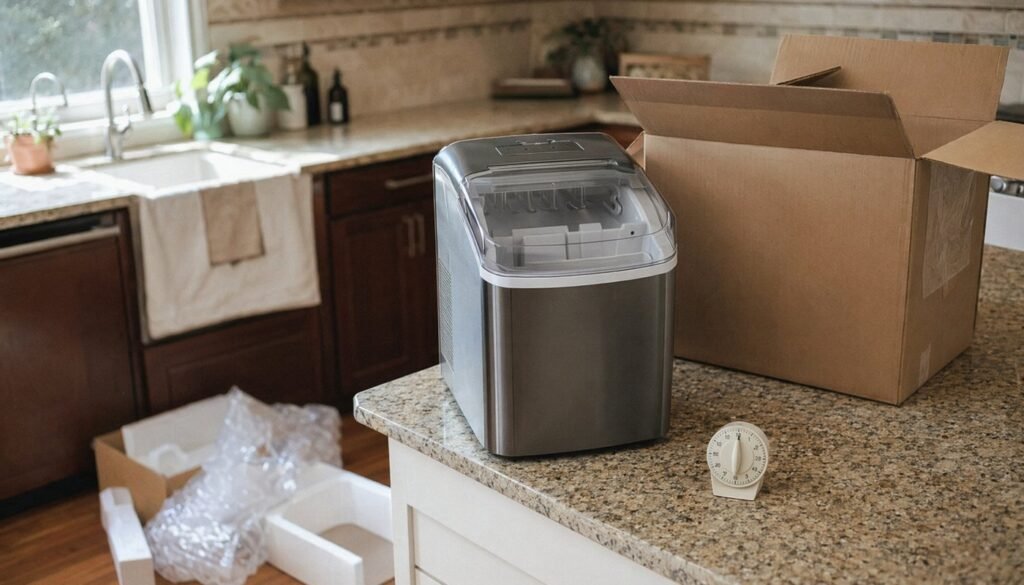
If you are wondering where can i buy a ice maker, you can visit home appliance retailers, department stores, or manufacturer websites. Your choice depends on whether you need a portable countertop unit or a permanent, built-in model.
Options for purchasing ice machines
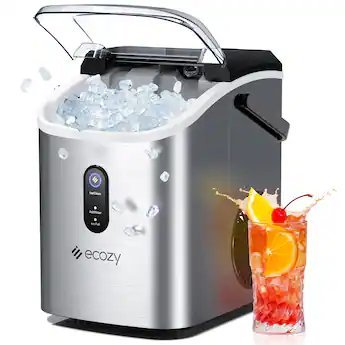
- Major home appliance retailers stock built-in and freestanding models with professional installation services.
- Big-box department stores offer budget-friendly countertop machines that you can plug in immediately.
- Direct-to-consumer manufacturer websites provide the full range of specifications and warranty registrations for new units.
- Hardware stores carry compact models suitable for workshops, basements, or small outdoor kitchen setups.
- Online marketplaces allow you to compare user ratings and shipping times across multiple brands.
- Specialty kitchen supply stores provide high-capacity machines designed for heavy daily use and commercial-grade durability.
Why buying the right model matters
Selecting the correct unit requires matching the machine’s output to your actual daily consumption. If you choose a portable unit, remember that these machines don’t freeze ice for long-term storage; they melt it back into the reservoir once the bin is full. You must empty the basket into your freezer if you want to keep a steady supply. Conversely, built-in models connect directly to your home’s water line and maintain a constant temperature to keep cubes frozen. This ensures you aren’t paying more for electricity than necessary. Always inspect the manual for the required water pressure and electrical circuit capacity, as these vary by model — check the label on the unit before finalizing your purchase.
When the answer is different
| Situation | What changes | What to do instead |
|---|---|---|
| Limited space | Countertop footprint | Measure your cabinet clearance |
| High usage | Daily production capacity | Choose an under-counter model |
| Hard water | Mineral buildup risk | Install a filtration system |
| Outdoor use | Weather resistance | Buy an outdoor-rated unit |
| No drain line | Gravity drain needs | Use a pump-equipped model |
How to do it properly
- Measure your available space in inches, accounting for the door swing and the clearance needed for ventilation on all sides.
- Check your home’s water supply line location; if you lack a dedicated line, you must choose a portable fill-by-hand unit.
- Determine your daily ice needs in pounds; a standard household typically uses two to five pounds of ice per day.
- Verify the electrical requirements, as some built-in units need a dedicated fifteen-amp circuit to prevent tripping your home breaker.
- Confirm the warranty length and the availability of local service technicians before you pay for the appliance at the store.
- Install the unit on a level surface to ensure the internal sensors function correctly and the water flows into the molds.
- Run the initial cleaning cycle with the recommended vinegar solution to remove manufacturing residue before you make your first batch.
The mistakes that ruin it
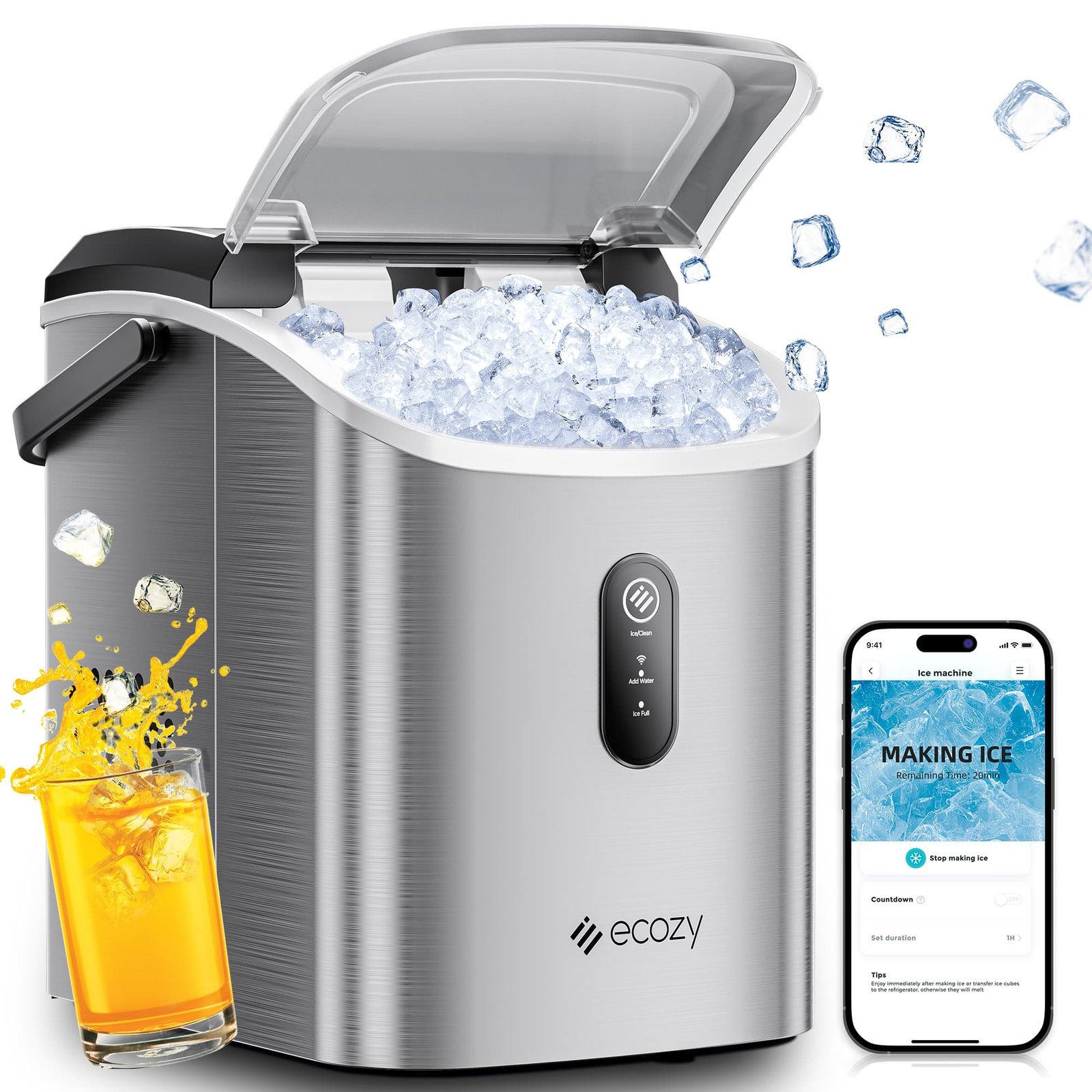
- Ignoring the minimum ventilation gap causes the compressor to overheat and shortens the life of the machine.
- Connecting a built-in unit to a non-potable water source creates a health hazard and ruins the taste of your ice.
- Buying a unit without checking the drain type leads to water pooling on your floors if you lack a pump.
- Failing to level the machine prevents the water tray from filling evenly, resulting in thin or misshapen ice cubes.
Can I install an ice maker myself?
Yes, you can install portable units by simply plugging them in, but built-in models require professional plumbing and electrical skills. If you aren’t comfortable working with water lines, hire a licensed professional to avoid leaks that damage your cabinets.
How long does an ice maker last?
Most residential ice makers last for several years, but this varies by model — check the label for expected service life. Regular cleaning of the condenser coils and descaling the water system significantly extends the functional life of your unit.
Is it safe to use the first batch of ice?
No, you should discard the first two or three batches of ice produced by a new machine. This process flushes out any dust or residue left over from the manufacturing and shipping process inside the internal water lines.
What happens if the ice maker isn’t level?
An uneven machine causes water to spill out of the tray before it freezes, which leads to ice buildup inside the cabinet. Use a bubble level on the top surface of the machine to ensure it’s perfectly flat during installation.
Does it matter if I use filtered water?
Yes, using filtered water prevents mineral scale buildup on the internal parts and improves the taste of your ice. High mineral content, or hard water, causes scale that eventually clogs the water inlet valves and ruins the machine’s performance.
How do I stop my ice maker from being noisy?
You can reduce noise by ensuring the unit is on a solid, level floor and that it has proper ventilation clearance. If the machine is rattling, check that the mounting screws are tight and that the unit isn’t touching surrounding walls.
Final Thoughts
Before you head out to shop, measure the exact space where you plan to keep your new machine. Whether you choose a small model or a large one, you’ll want to make sure it fits perfectly. Once you’ve cleared the counter, you’re ready to enjoy cold drinks all summer long.
Related guides