
If you are wondering, can you leave ice in countertop ice maker bins, the answer is no; these machines lack active cooling. You can only keep ice in the unit if you use it within an hour or two before it melts.
How long to leave ice in the maker
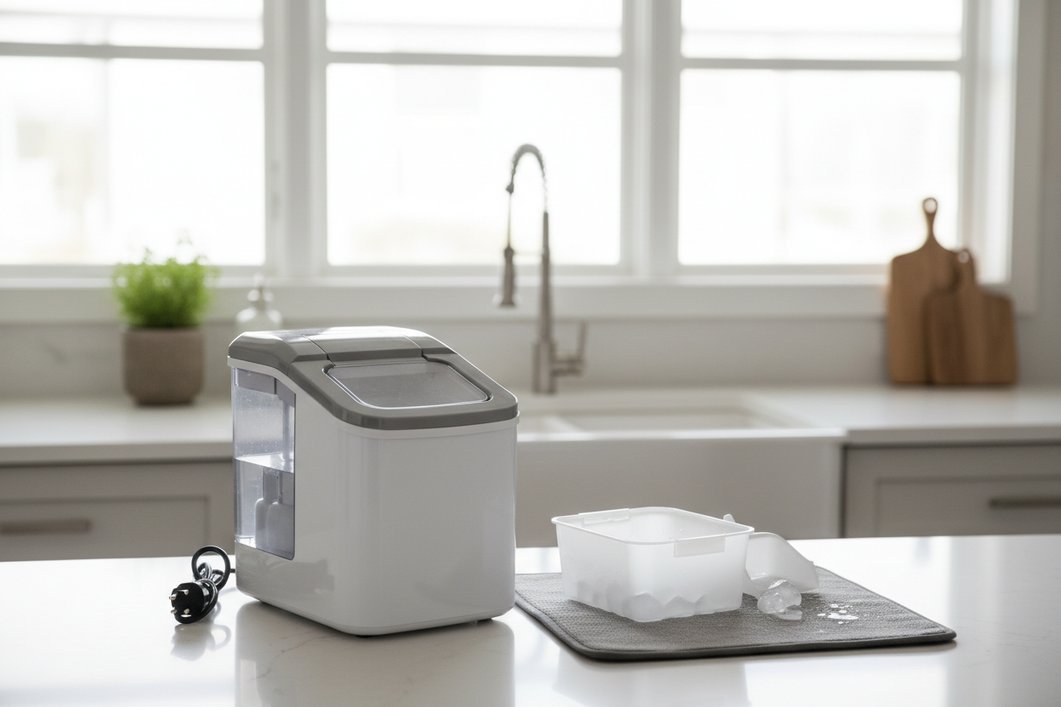
Most countertop ice makers are designed to produce ice quickly rather than store it long-term. If you leave the ice inside, it will melt, flow back into the water tank, and be recycled into new ice.
Factors that influence melting
The internal temperature of a countertop ice maker isn’t low enough to preserve ice. These devices are essentially machines that move water through a cooling element to create cubes, but the collection bin is usually just plastic sitting above the water tank. Because the tank holds water at room temperature, the heat transfer causes the ice to melt quickly. According to FoodSafety.gov’s cold food storage charts, maintaining proper temperatures is vital to prevent bacterial growth in food environments. If you leave ice sitting in water for many hours, you risk creating an environment where bacteria can multiply more easily than in a dry, frozen state. If you live in a warm climate, the ice will melt faster; if your room is air-conditioned, the ice might last slightly longer.
Best practices for storage
If you want to keep a supply of ice, you must move it to a freezer. Follow these steps to manage your ice production:
- Monitor the bin level to ensure it doesn’t reach the sensor, which stops production.
- Transfer ice immediately to a freezer-safe bag or container once the machine completes a cycle.
- Store the container in the back of your freezer to keep the ice from clumping together.
- Clean the reservoir regularly to prevent mineral buildup and mold growth.
- Check the drain plug to ensure it’s tight before starting a new batch of ice.
If you aren’t using the machine, unplug it and drain the water completely to keep the interior dry and clean.
The mistake people make
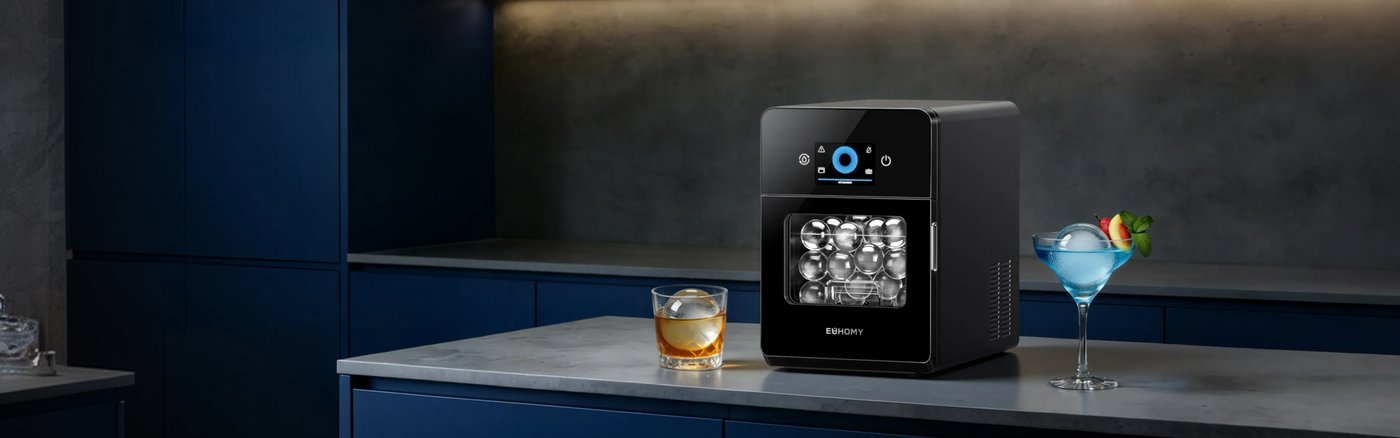
Many people leave the machine running with ice in the bin, thinking it will act like a freezer. This mistake costs you energy and causes the machine to waste water as it constantly re-melts and re-freezes the same supply. It also increases wear on the pump and the cooling compressor, which may shorten the lifespan of your appliance. Always check the bin level before you leave the room. If the ice looks wet or is sticking together in a large block, the machine is struggling to keep up with the heat.
When to stop and get help
- Water leaks from the base, which indicates a damaged internal seal that requires a professional repair.
- The machine makes a loud grinding noise, signaling a failing pump or motor that needs replacement parts.
- Ice has a strange smell or taste, which suggests the internal lines need professional sanitizing or filter replacement.
- The unit fails to produce ice despite a full reservoir, which points to a complex cooling system failure that requires expert service.
Frequently asked questions
Can you leave ice in countertop ice maker overnight?
No, the ice will melt into the water reservoir overnight. This causes the reservoir to overfill or creates a cycle where the machine constantly runs to re-freeze the water, which wastes significant electricity.
How long does ice last in a countertop ice maker?
About 60 to 90 minutes is the limit for most models. This varies by model — check the label for insulation details, as some units have better thermal barriers than others.
Is it safe to eat ice left in the machine?
No, if it has been sitting in water for more than a few hours. Stagnant water in a non-refrigerated bin can quickly become a breeding ground for bacteria, especially in warm kitchens.
Why is my ice melting so fast?
It happens because the bin isn’t insulated and sits directly above the warm water reservoir. To stop this, move the ice to your freezer as soon as the basket is full.
Does it matter if I leave the machine on?
Yes, leaving it on when the bin is full causes the machine to cycle needlessly. If you aren’t actively using the ice, turn the unit off to save power and reduce pump wear.
What happens if the bin gets too full?
The machine will stop producing ice once the infrared sensor is blocked. You must remove the ice basket and empty it to allow the machine to resume its cooling cycle.
What to do next
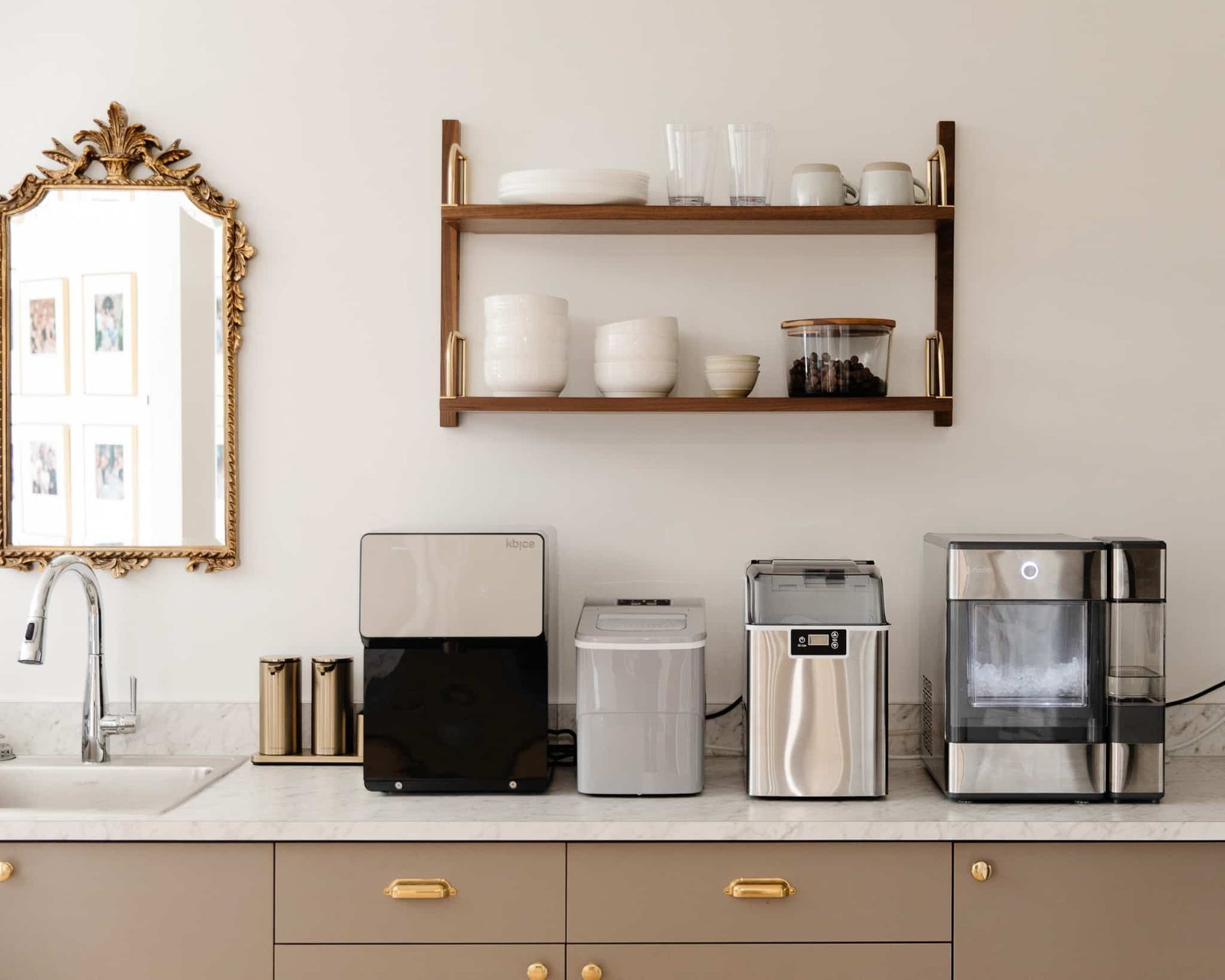
Transfer your fresh ice into a freezer-safe container immediately after the cycle finishes to maintain its quality. You should see clear, solid cubes when you do this promptly. If you notice a persistent chemical smell, turn the machine off and consult the manual for the cleaning process.
Final Thoughts
Since these machines aren’t designed for long-term storage, it’s best to move your fresh cubes to the freezer as soon as they’re ready. You’ll keep your ice solid and save your machine from unnecessary wear. It’s a simple habit that’ll ensure you’ve always got a cold drink waiting for you.
Pingback: Where Can I Buy an Ice Maker: Best Retailer Options