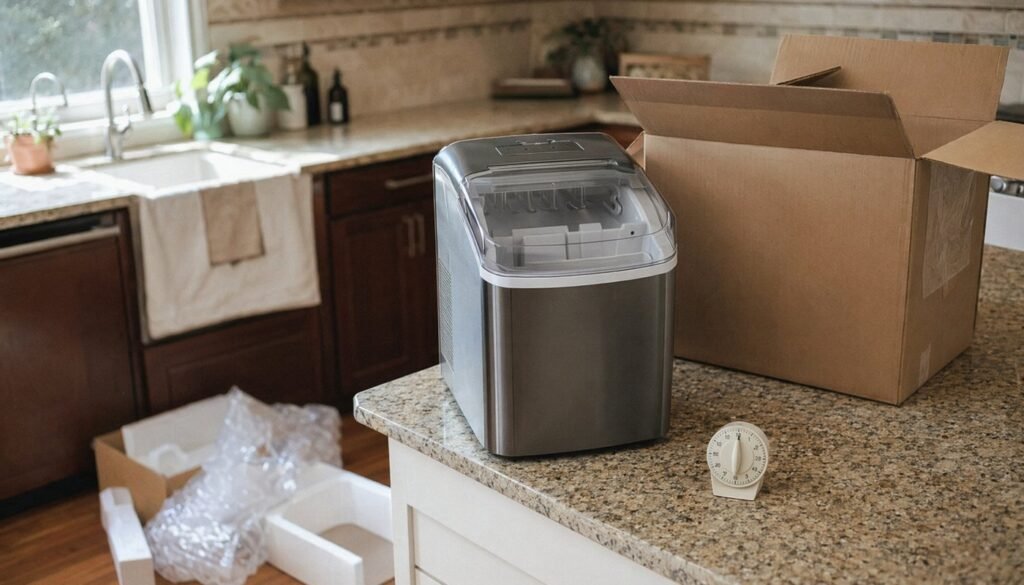
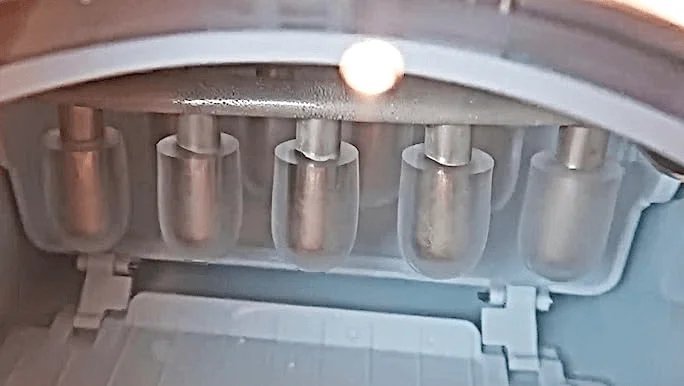
An ice maker creates ice by circulating water over a freezing metal mold, where it builds up into cubes, then releases them into a bin. The cycle is simple: water flows, freezes solid, and then the machine warms the mold to drop the cubes.
How the ice maker works
| Part or input | What it does | What you notice when it goes wrong |
|---|---|---|
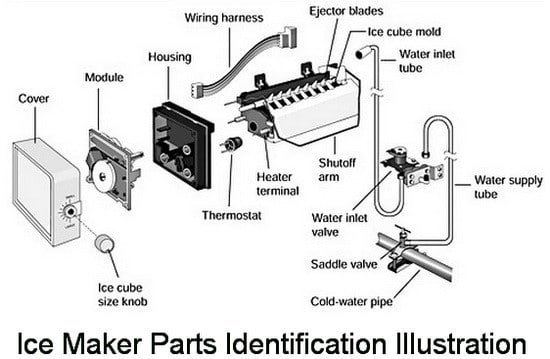
| Water valve | Lets water enter the mold | No ice or thin cubes |
| Evaporator | Cools the mold to freeze water | Ice is slushy or hollow |
| Thermostat | Senses temperature to trigger harvest | Machine never drops the ice |
| Heating element | Warms mold to release cubes | Ice stays stuck to the mold |
| Ejector blades | Pushes ice into the storage bin | Bin stays empty despite ice |
| Control board | Sends signals to each part | System doesn’t start at all |
What happens, step by step
- The water valve opens for roughly 5 to 10 seconds, depending on the pressure of your home’s plumbing, to fill the mold.
- The compressor starts the cooling cycle, which lowers the mold temperature to below freezing, usually taking 20 to 30 minutes for completion.
- Once the thermostat confirms the ice is solid, the system switches to the harvest cycle to release the finished ice cubes.
- The heating element warms the metal mold for about 60 to 90 seconds to loosen the bond between the ice and metal.
- The ejector blades rotate, pushing the cubes out of the mold and into the storage bin, which takes about 30 seconds total.
- The water valve opens again to repeat the cycle, provided the bin sensor detects enough space for a new batch of ice.
Why this matters when something goes wrong
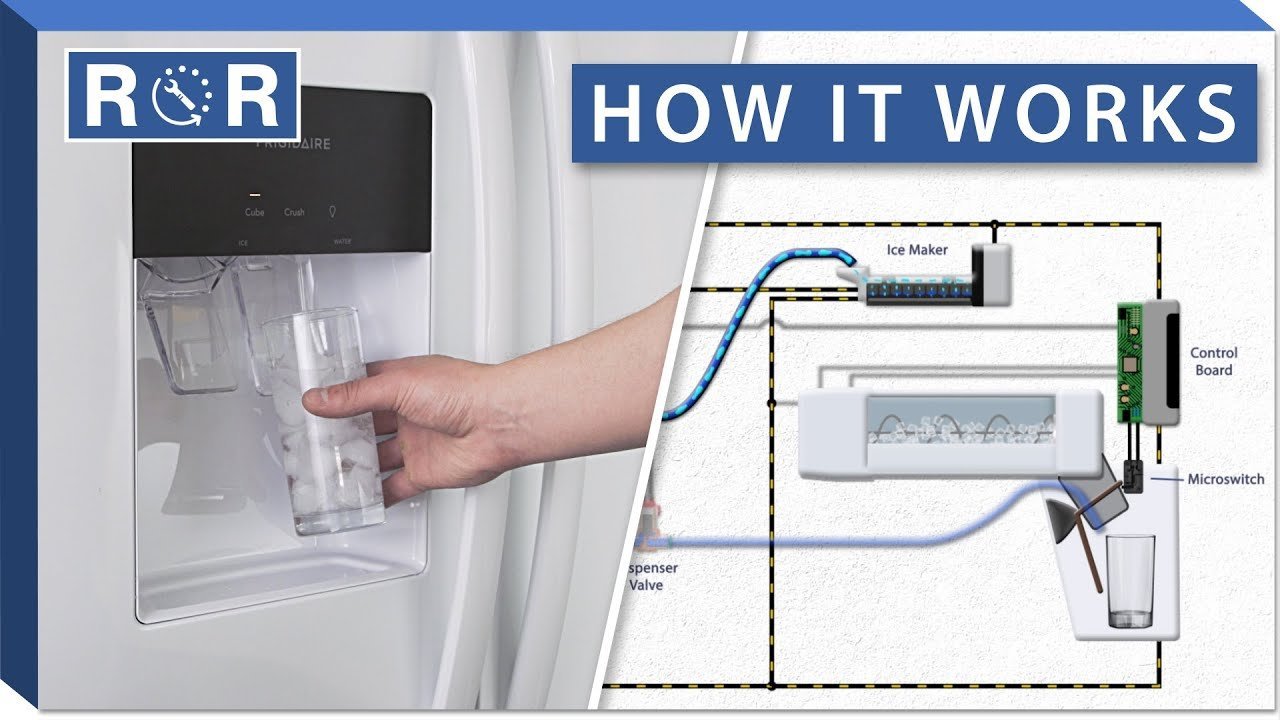
The mechanism relies on a precise balance of temperature and timing. When you see a problem, the symptom often points to a specific stage in the cycle. If the machine runs but produces no ice, the water valve is a likely culprit. If the cubes are small or misshapen, the water pressure might be too low, or the filter could be clogged. If the machine stops midway, the thermostat is likely failing to signal the transition from freezing to harvest. A clear understanding of this sequence prevents you from replacing expensive parts when a simple cleaning or pressure check would fix the issue.
What you can change, and what you cannot
Things you can change
- Adjust the water pressure regulator if the valve doesn’t fill the mold fully.
- Replace the water filter regularly to ensure clean and steady flow.
- Clean the evaporator surface if mineral buildup prevents ice from sliding out easily.
- Move the bin sensor arm if the machine stops making ice too early.
Things that are fixed
- The cooling speed of the compressor is set by the manufacturer’s internal design.
- The shape of the ice is determined by the fixed geometry of the mold.
- Electronic timing logic is hard-coded into the control board and can’t be adjusted.
Getting more out of it
To keep your unit running well, check the water pressure once a year; most systems require at least 20 pounds per square inch to function. If you notice the ice tastes bad, verify the water filter age, as a spent filter allows minerals to build up in the mold, slowing the harvest cycle. Always ensure the freezer temperature stays at zero degrees Fahrenheit or lower. This maintains the ice quality and prevents the cubes from melting together in the bin. If you’re away for an extended period, turn the unit off to prevent the buildup of stale ice.
Frequently asked questions
Is it safe to eat the ice if the machine is old?
Yes, it’s safe if you clean the mold and bin regularly to prevent mold or bacteria growth. Check your owner’s manual for the manufacturer’s recommended cleaning schedule and the approved sanitizing solution for your specific model.
Why is my ice maker leaking water?
Water leaks usually happen because the water valve is stuck open or the fill tube is frozen. Check the fill tube for ice blockages first, as this is a common issue caused by slow water pressure or a dripping valve.
How long does an ice maker last?
Most units last between 7 and 10 years with proper filter changes and occasional cleaning. This varies by model—check your owner’s manual for recommended maintenance.
Can I fix a broken ice maker myself?
Yes, you can replace simple parts like the water valve or the control board if you have the right tools. If the compressor or the sealed cooling system fails, you must call a licensed technician for repairs.
Why are my ice cubes stuck together?
Ice cubes stick together when the bin temperature fluctuates or the ice sits too long. Ensure your freezer door seal is tight, as warm air entering the freezer causes surface melting and leads to a large, solid block of ice.
Does the water filter type matter?
Yes, using the filter type specified in your manual is vital for the valve to function correctly. Using a non-compatible filter can restrict water flow, leading to small ice cubes or a complete failure of the harvest cycle.
Final Thoughts
Keeping your machine clean is the best way to ensure your drinks stay fresh and cold. You shouldn’t forget to replace the water filter every few months, as it’ll keep the ice tasting crisp. Once you’ve checked that, you’re all set to enjoy a perfectly chilled glass whenever you’d like.