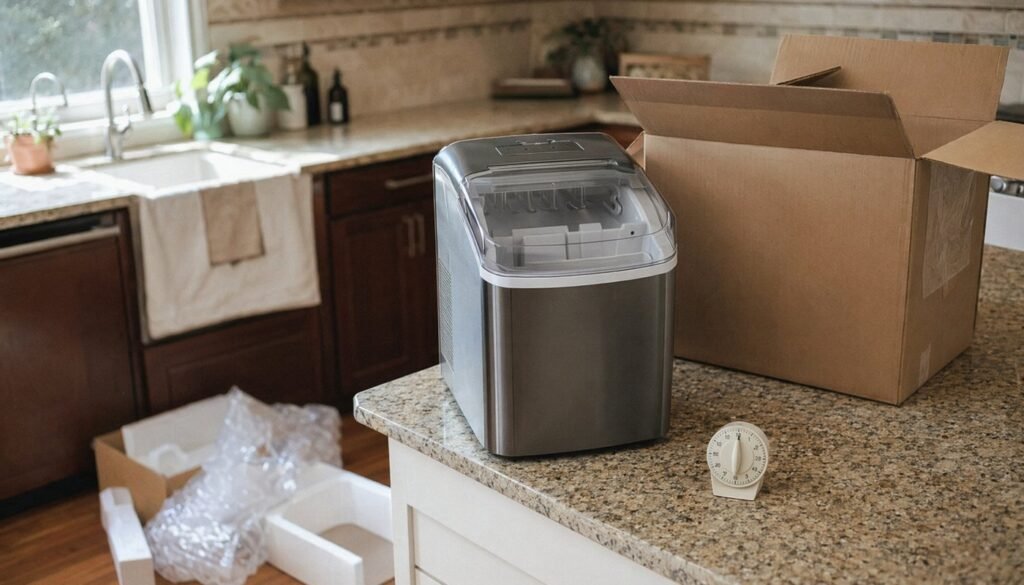
This process turns liquid water into solid ice cubes automatically for your convenience.
How the ice maker works
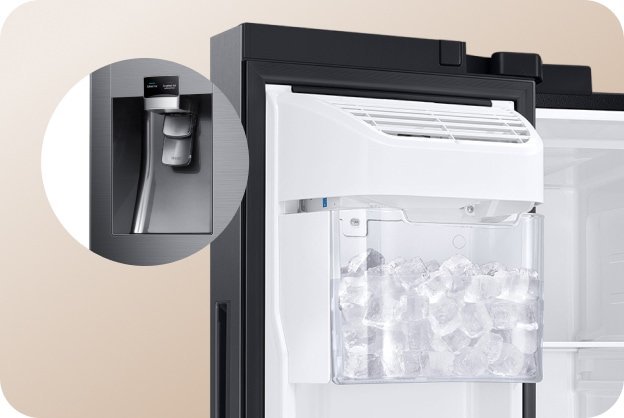
| Part or input | What it does | What you notice when it goes wrong |
|---|---|---|
| Water supply line | Delivers fresh water | No ice or leaking water |
| Shut-off arm | Detects bin capacity | Ice maker stops making ice |
| Water inlet valve | Opens for water flow | Loud buzzing or slow fill |
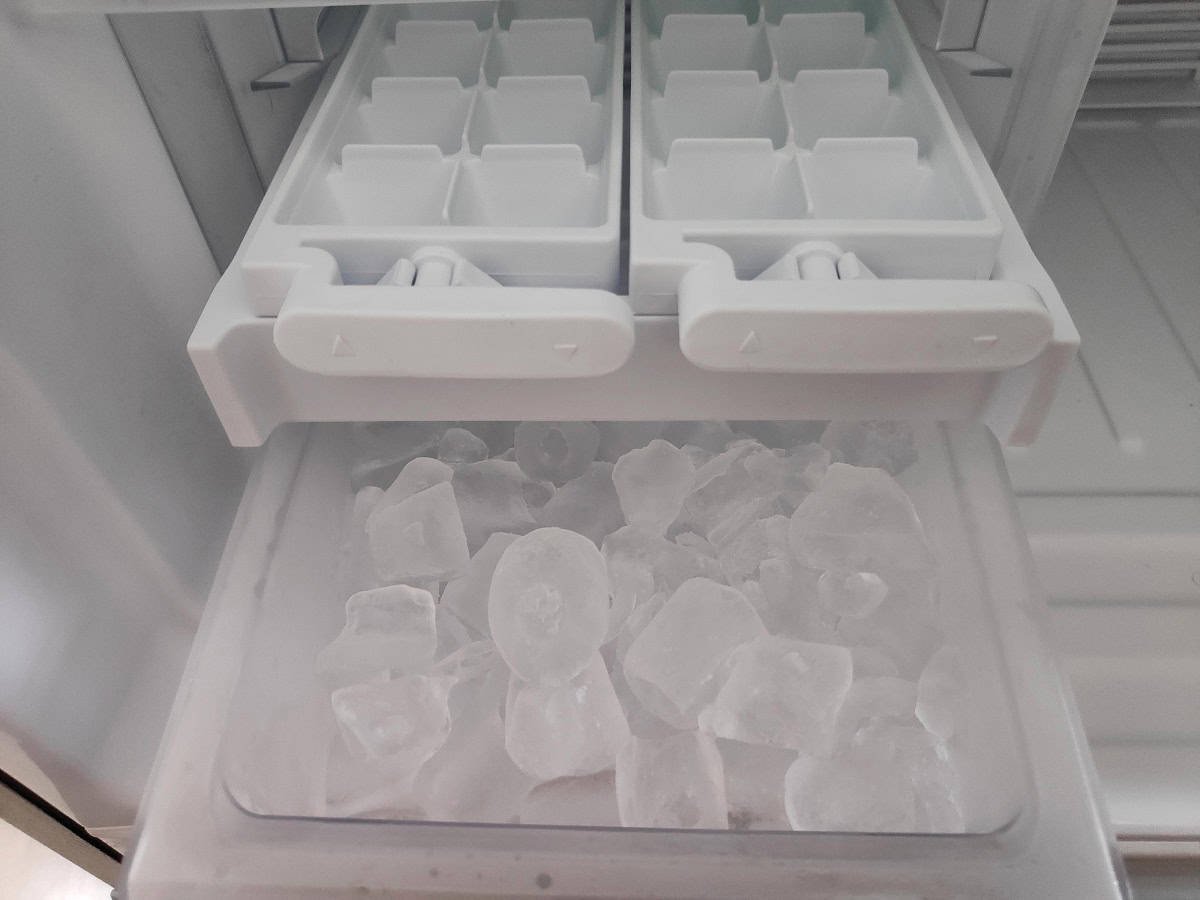
| Ice mold | Shapes the ice cubes | Deformed or stuck ice cubes |
| Control board | Manages the cycle | No power or no harvesting |
The water inlet valve is the most frequent point of failure. If you hear a persistent buzzing without water flow, the solenoid coil has likely burned out. You can verify this by having a technician test the valve terminals during a cycle. If power is present but the valve remains closed, replace the unit immediately.
A common mistake is assuming the ice mold is faulty when cubes come out misshapen. Often, the water pressure is simply too low. If your fill time exceeds seven seconds, your inlet screen is likely clogged with mineral deposits.
Distinguish between a mechanical jam and a control board failure by observing the harvest cycle. If the motor never attempts to rotate the ejector blades, the board is failing to send the signal. If the blades turn but get stuck, the mold surface has lost its non-stick coating, requiring a full assembly replacement.
What happens, step by step
- The freezer controller verifies the temperature is at or below zero degrees Fahrenheit to ensure efficient freezing of the incoming water supply.
- The control board signals the water inlet valve to open for about seven to ten seconds, filling the mold with fresh water.
- The water sits in the mold for ninety minutes to two hours, depending on your freezer model’s specific cooling power and insulation.
- Once the ice is solid, a small heater warms the mold for forty-five seconds to loosen the cubes from the plastic tray.
- The ejector arm or motor rotates to push the cubes out into the storage bin, which takes about one minute to complete.
- The shut-off arm or sensor checks if the bin is full; if it’s not, the cycle repeats to make more ice.
Why this matters when something goes wrong
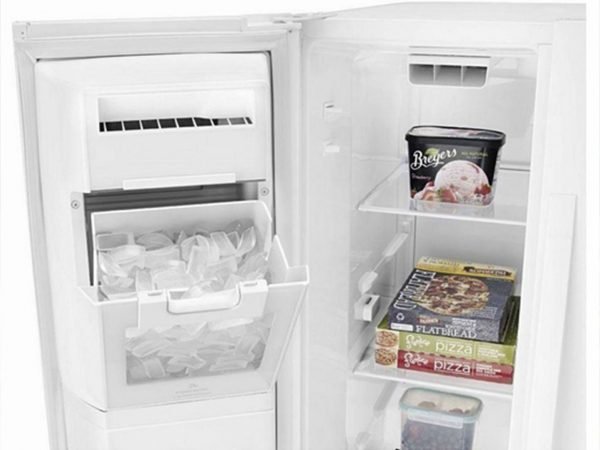
Troubleshooting depends on identifying which stage of the cycle has failed. If your machine is silent, the problem often lies with the power supply or the control board, which requires a professional technician since internal components carry a risk of electrical shock. If you hear the water valve hum but see no ice, the water line may be frozen or blocked, preventing flow into the mold. According to the FoodSafety.gov cold food storage charts, maintaining a consistent temperature is vital for food safety and ice production efficiency. If the bin is full but the ice is clumped together, you likely have a temperature fluctuation or a door seal issue. A common mistake is assuming the machine is broken when it’s simply turned off at the control panel or blocked by a single stuck cube.
What you can change, and what you cannot
Things you control
- The power switch or wire arm position.
- The freezer temperature setting on the display.
- The filter replacement schedule for water quality.
- The clearance in the bin for the shut-off arm.
Things fixed by design
- The cycle time for freezing and harvesting.
- The physical size and shape of the cubes.
- The internal wiring and electrical safety components.
Getting more out of it
You should discard the first two batches of ice after installing a new filter to ensure the lines are flushed clean. If you’re going away for more than one week, turn the ice maker off to prevent ice from absorbing odors or clumping. Always keep the freezer door closed as much as possible, as frequent opening raises the internal temperature and slows production. If your ice tastes like the freezer, check your food storage containers for leaks. This varies by model — check the label inside your freezer for the specific water pressure requirements needed for optimal operation.
Frequently asked questions
Can I turn off the ice maker manually?
Yes, you can turn it off by lifting the wire shut-off arm to the upper position or by selecting “Off” on the digital control panel located on your fridge door or inside the freezer compartment.
How long does the first batch take?
The first batch usually takes about twenty-four hours to produce, as the system needs time to cool the mold and cycle through the initial water fill and harvest process.
Is it safe to eat the ice if the fridge is old?
Yes, it’s safe to eat the ice as long as the water supply is clean and you regularly wash the storage bin with mild soap and water to prevent any buildup of mold or bacteria.
What happens if the water line freezes?
The ice maker will stop producing cubes because the water can’t reach the mold, which often happens if the freezer temperature is set too low or the line is near a cold spot.
Does it matter if I have a water filter?
Yes, using a filter is important because it removes sediment and impurities that can clog the delicate water inlet valve or cause the ice to have a strange taste or cloudy appearance.
Why is my ice maker making a loud noise?
The noise is often caused by the water valve vibrating while opening or the ejector arm hitting a stuck piece of ice, so check for any obstructions in the mold before calling for service.
Final Thoughts
Keep an eye on the bin over the next few hours to ensure it’s filling up properly. If you don’t see any ice by tomorrow morning, check that the water line isn’t kinked behind the unit. You’ll be glad you’ve got a steady supply ready for your next cold drink.