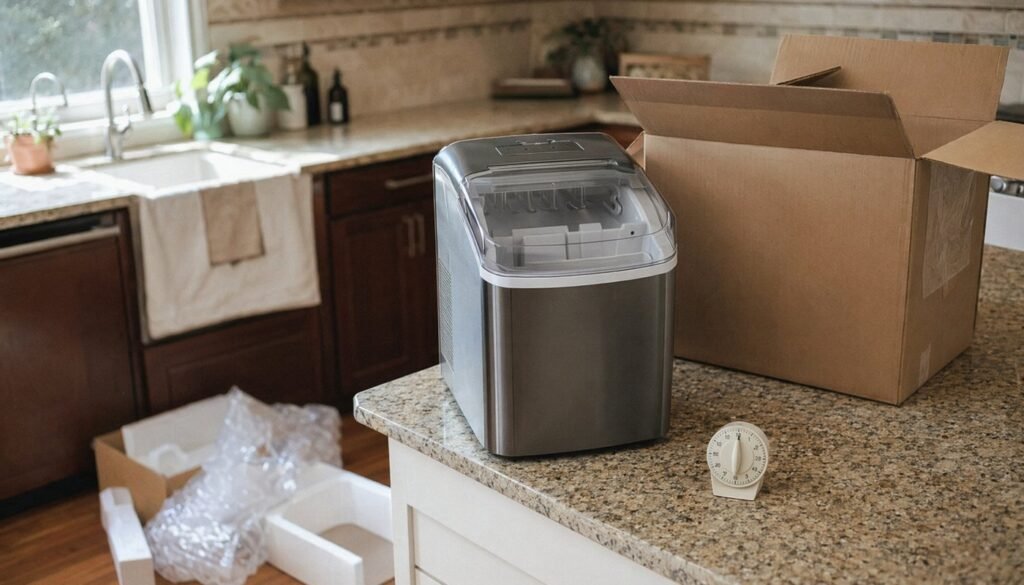
It usually takes between 90 minutes and 3 hours for a standard residential freezer to produce a full batch of cubes, though the time required depends heavily on the freezer temperature and ambient room conditions. You should expect this cycle to repeat every few hours.
Understanding the cooling cycle
The primary factor influencing your ice production speed is the freezer temperature. Most manufacturers, such as those listed in the ENERGY STAR refrigerator guide, recommend keeping your freezer at 0°F (-18°C) for optimal safety and performance. If your freezer is set warmer than this, the ice will take significantly longer to freeze because the internal heat exchange process slows down.
Another common mistake is overcrowding the freezer. Stacking too many items near the vents blocks cold air circulation, which forces the unit to work harder and produces ice much slower. Keep the area around the ice bin clear for the best results.
Ways to make your icemaker work faster
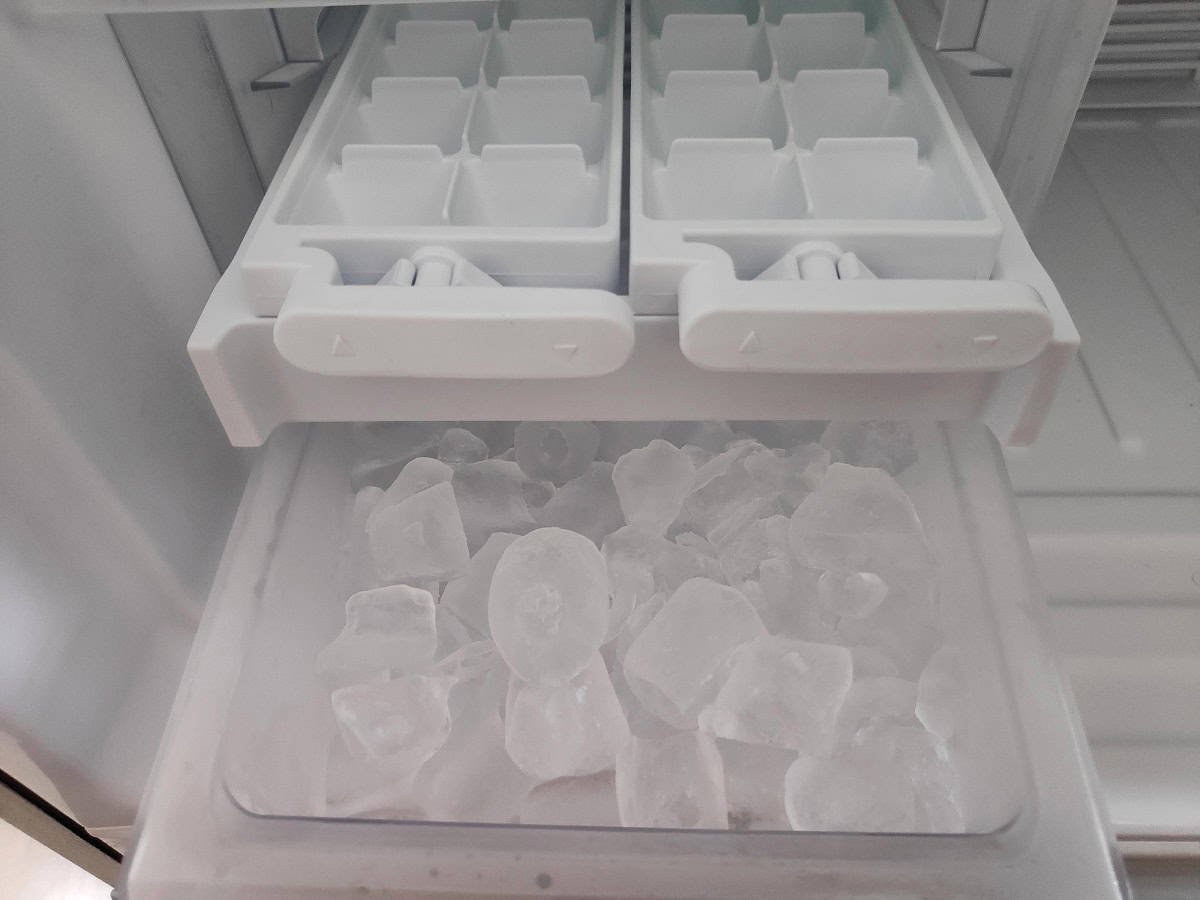
- Verify your freezer temperature is set to 0°F (-18°C) using an independent thermometer to ensure accuracy.
- Clear any food items or containers blocking the air vents at the back of the freezer compartment.
- Check the water line for kinks or low pressure, as a slow water flow will delay the fill cycle of the ice mold.
- Inspect the ice bin to ensure it’s pushed fully into place, as many models have a sensor that stops production if the bin is misaligned.
- Empty the ice bin periodically if you have an older machine, as old ice can clump and trick the sensor into thinking the bin is full.
Tip: If your icemaker isn’t producing anything, check the wire shut-off arm; if it’s in the “up” position, the machine is manually turned off.
Tip: Always ensure your water filter is replaced regularly, as a clogged filter significantly reduces water pressure and slows down fill times.
How long it takes
The time required varies by model and usage patterns, but this table outlines the typical duration for common scenarios.
| Situation | How long | What changes it | What to watch for |
|---|---|---|---|
| Standard cycle | 90–180 mins | Freezer temp | Frost buildup |
| First use | 24 hours | Ambient heat | Water pressure |
| Full bin refilling | 12–24 hours | Usage frequency | Door seals |
If your unit takes longer than 24 hours to produce a single batch, check your water inlet valve for mineral deposits or mechanical failure.
How to tell when it’s done
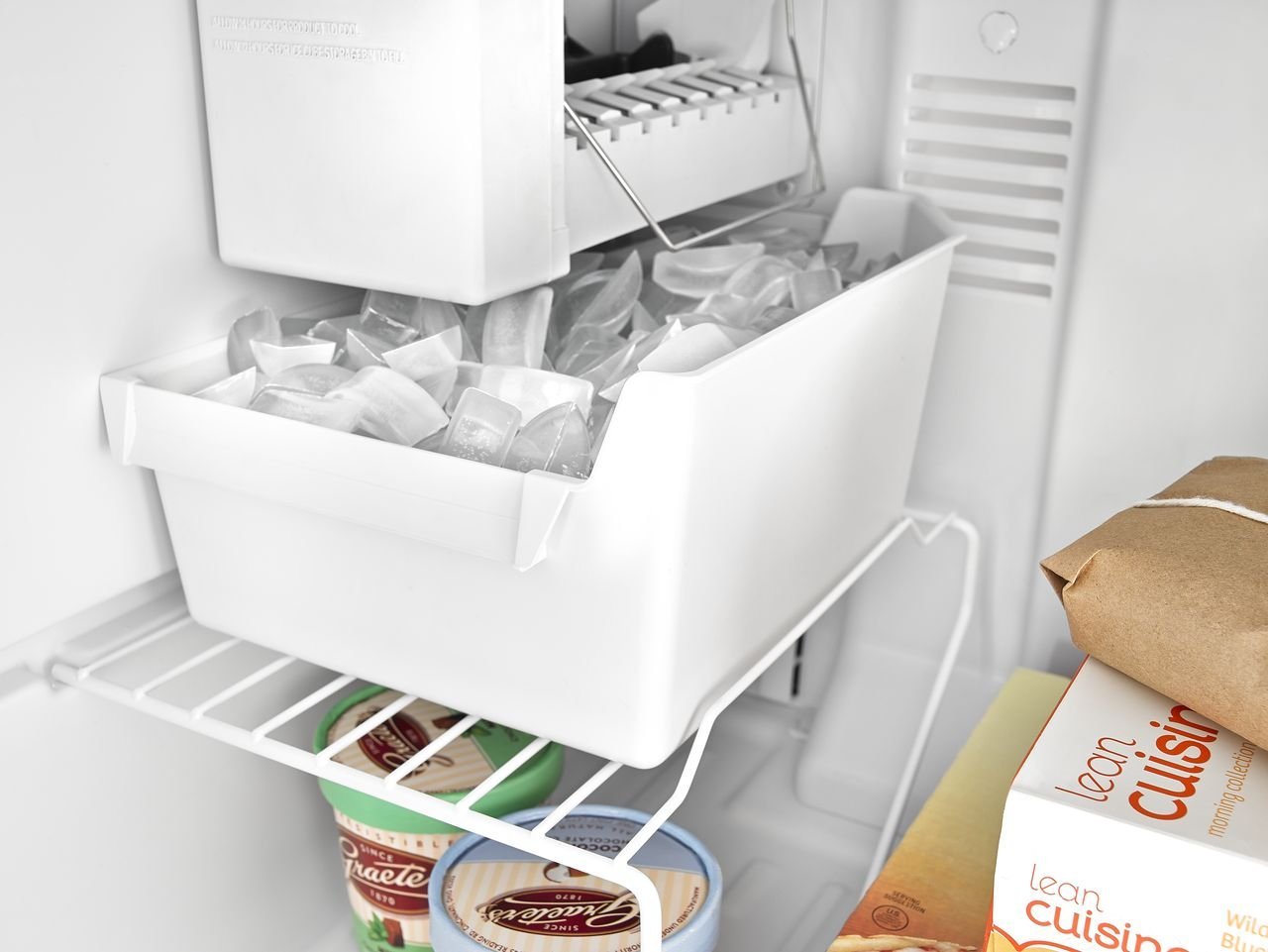
You can tell the ice is ready by looking for a full, level tray or by listening for the mechanical “dump” cycle. When the harvest cycle finishes, you’ll hear the ice cubes drop into the collection bin. If you’re unsure, gently lift the wire shut-off arm; if the bin is full, the arm will rest on top of the ice. For a definitive check, look for clear, solid cubes that have no liquid water remaining in the mold. If you see slush, the cycle is still active or the temperature is too high.
Mistakes that ruin it
- Leaving the door open Frequent door openings allow warm air to enter, which raises the temperature and forces the unit to restart its cooling cycle. Keep the door closed as much as possible to maintain a consistent internal climate.
- Setting the freezer too warm If the freezer is above 0°F, the water won’t freeze at the rate the machine expects. Use a dedicated freezer thermometer to verify the temperature instead of relying on the dial’s vague “cold” setting.
- Ignoring a clogged water filter A restricted filter slows the flow of water into the mold, leading to small, hollow, or misshapen cubes. Replace your filter according to the manufacturer’s schedule to keep water flowing at the correct speed.
- Overloading the freezer Blocking the air vents prevents cold air from reaching the icemaker assembly. Ensure there’s at least two inches of space around the vents for proper airflow.
Frequently asked questions
Can I speed up ice production?
This creates a colder environment for the water to freeze faster, though it does consume more electricity and may affect the texture of some frozen foods.
Why is my icemaker making small ice cubes?
Small or hollow ice cubes usually mean there’s restricted water flow to the icemaker. This is commonly caused by a partially clogged water filter or a kinked water supply line behind the refrigerator, which prevents the mold from filling completely during each cycle.
How long does it take for a new icemaker to start?
It typically takes 24 hours for a new icemaker to produce its first full batch of ice. During this time, the system needs to cool the freezer compartment to the proper temperature and cycle the water lines several times to remove any trapped air.
Is it safe to eat the first batch of ice?
No, it isn’t recommended to eat the first batch of ice from a new installation. Manufacturers suggest discarding the first few cycles because they may contain debris or dust from the new water lines and the manufacturing process inside the ice mold.
What happens if I turn off the water supply?
If you turn off the water supply while the icemaker is active, the machine may continue to cycle through its harvest steps without adding water. This can cause the internal mechanisms to wear out faster or potentially damage the icemaker motor, so always turn the unit off as well.
How long should ice last in the bin?
Ice generally stays fresh for about 30 days in a freezer bin, but it can absorb odors from other foods over time. For the best taste, use the ice within one to two weeks and keep the bin covered if your model includes a lid or cover.
Final Thoughts
If you’re still waiting for a fresh batch after several hours, check that your water line isn’t kinked or frozen. It’s a simple fix that’ll get things flowing again. Don’t hesitate to peek at your owner’s manual if you’re unsure, as it’s the best way to keep your appliance running smoothly.