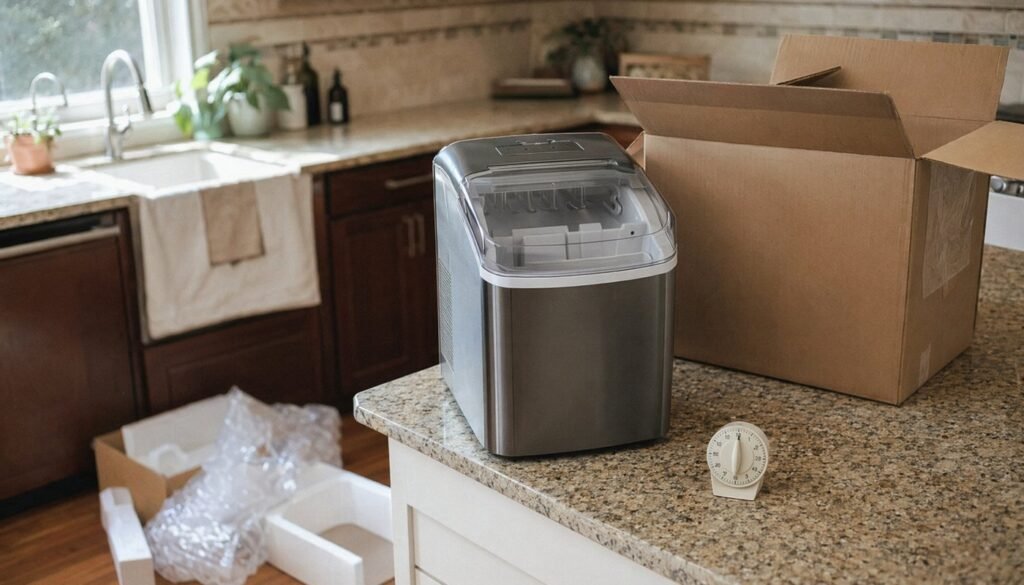
If you are asking what is the quietest undercounter ice maker, the Scotsman CU50 is widely recognized for residential use, operating at noise levels comparable to a modern dishwasher. This assumes the unit is installed in a cabinet with proper ventilation and a solid, leveled floor.
What is the quietest undercounter ice maker for you?
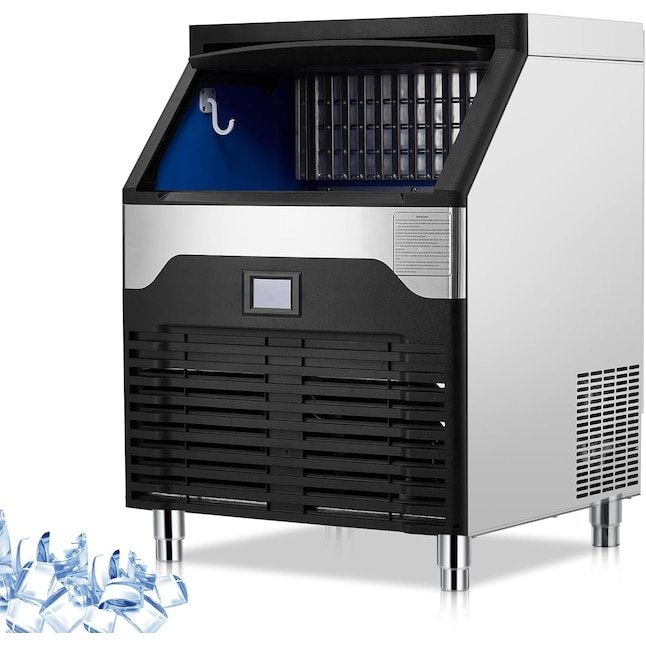
- Choose models with “whisper-quiet” or “silent” sound-dampening technology built directly into the compressor housing.
- Check the decibel rating on the EnergyGuide label; a rating below 50 decibels is ideal for home kitchens.
- Ensure the unit has an automatic shut-off sensor to prevent the motor from running when the bin is full.
- Install the machine on a rubber anti-vibration mat to stop mechanical noise from traveling through your cabinetry and floor.
- Maintain a gap of at least 2 inches behind the unit to prevent the cooling fan from straining and creating excess heat.
- Verify your water pressure matches the Energy Star product specifications to ensure the pump operates at the correct, quiet flow rate.
Why sound levels vary in ice makers
Noise in an undercounter ice maker comes from three main sources: the mechanical compressor, the water pump, and the physical sound of ice dropping into the bin. The compressor is the primary culprit. When it engages to cool the refrigerant, it produces a low-frequency hum. Higher-end models use sound-insulated compressor blankets that absorb these vibrations before they reach the kitchen air.
Water pumps add a secondary layer of noise when they cycle to move water into the freezing tray. If you have high water pressure, the valve may click or hiss loudly during this phase. The final noise is the “clatter” of ice. This is determined by the internal bin material. Plastic bins tend to amplify the sound of falling cubes, whereas stainless steel linings or specialized sound-absorbing coatings significantly muffle the impact. You can check the specific decibel output for any unit by reviewing the manufacturer’s technical manual, which states the sound pressure level measured at a distance of three feet.
When the answer is different
| Situation | What changes | What to do instead |
|---|---|---|
| Hard wood floors | Resonance increases | Use thick rubber padding |
| Tight cabinet fit | Airflow is restricted | Install extra vent grilles |
| High water pressure | Valve creates noise | Install a pressure regulator |
| Open concept home | Sound carries easily | Use a custom wood door |
| Frequent use | Pump runs often | Choose a slower cycle |
How to do it properly
- Measure your cabinet opening width exactly to ensure the unit fits with the required 1/8-inch clearance on all sides for proper airflow.
- Level the machine using a spirit level on the top surface; adjust the feet until the bubble sits perfectly between the two center lines.
- Connect the water supply line using a flexible braided hose to reduce vibrations that transfer from the hard plumbing into the unit frame.
- Attach the drain line with a consistent downward slope of at least 1/4 inch per foot to prevent water from pooling and gurgling.
- Plug the unit into a dedicated 15-amp grounded outlet to avoid electrical interference that can sometimes cause the compressor to cycle erratically.
- Test the ice production by running the first three batches and discarding them to clear the lines of any manufacturing dust or debris.
The mistakes that ruin it
- Placing the unit on a thin rug creates a fire hazard by blocking the bottom intake vents, causing the motor to overheat.
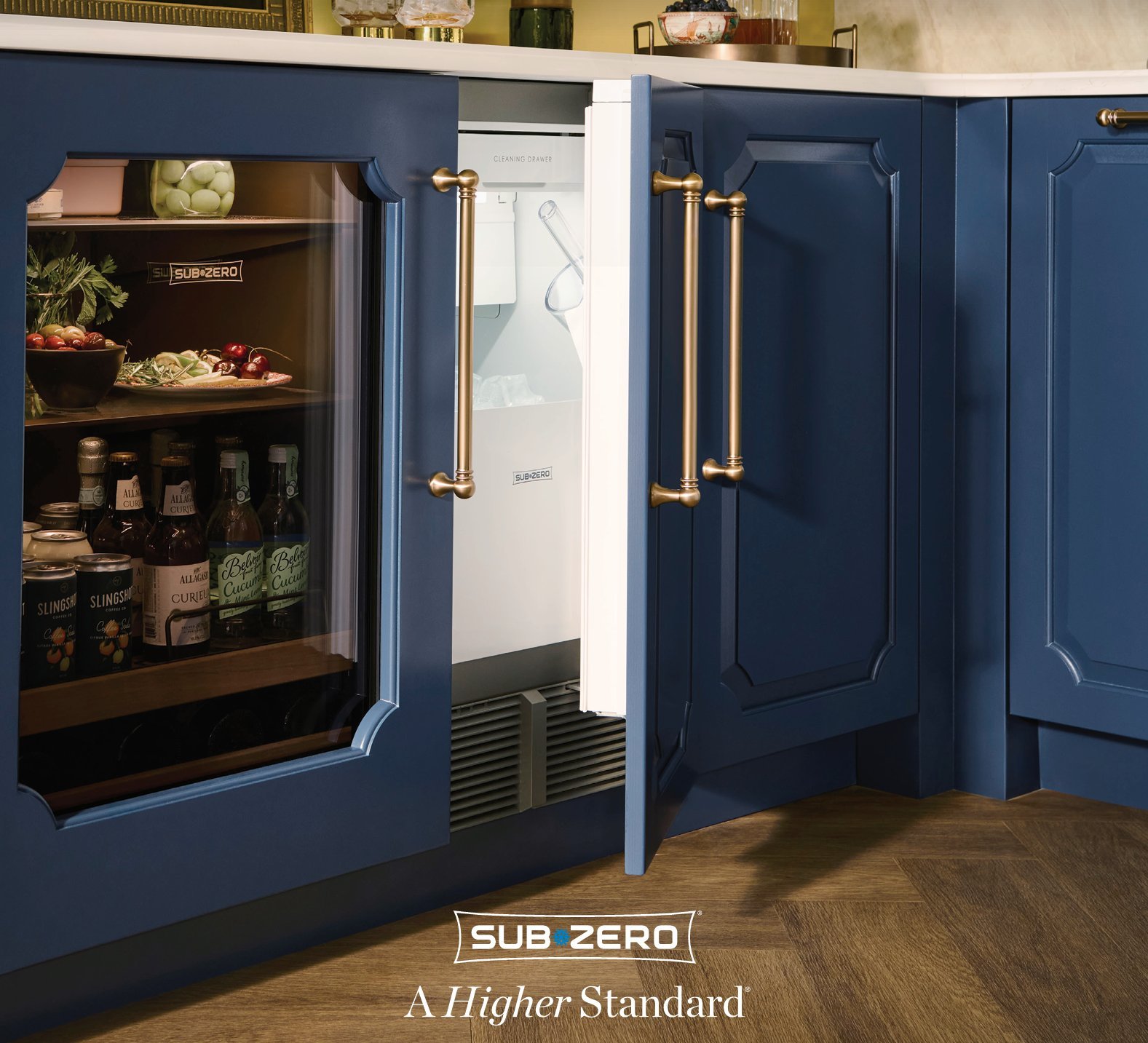
- Installing the machine without a door panel in a quiet room makes every mechanical click and ice drop sound twice as loud.
- Forgetting to use a water filter causes mineral buildup in the pump, which creates a grinding noise as the motor struggles.
- Ignoring the manufacturer’s recommended clearance distances forces the fan to run at maximum speed, which significantly increases the noise output.
Frequently asked questions
Can I make my current ice maker quieter?
Yes, you can reduce noise by placing a rubber mat under the unit and ensuring it’s perfectly level. If the unit is old, the compressor mounts may be worn, which requires a professional technician to replace them to stop the rattling.
Is it safe to leave an ice maker running at night?
Yes, it’s safe to leave the machine running, as these units are designed for continuous operation. Most models feature an automatic bin sensor that stops the ice-making cycle once the bin is full, preventing the motor from running unnecessarily.
How long does the ice-making cycle take?
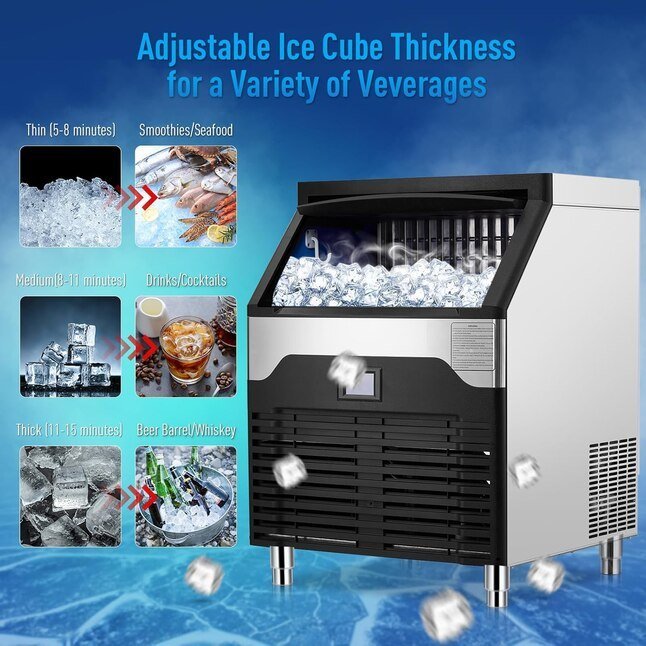
A standard cycle takes about 20 to 30 minutes to freeze a batch of ice. This varies by model — check the label for the specific production rate, as ambient room temperature and water temperature will change how fast the unit freezes.
Does the type of ice affect the noise level?
Yes, clear, hard ice cubes are denser and make a louder sound when hitting the bin compared to softer, nugget-style ice. If sound is your main concern, look for models that produce softer, chewable ice as they’re generally quieter.
Why does my ice maker click loudly?
The clicking sound is usually the water inlet valve opening or closing to fill the tray. If the clicking is constant or very loud, check your water pressure, as excessive pressure can cause the valve to vibrate against the frame.
Does the door panel material change the sound?
Yes, a heavy, solid wood custom panel acts as an acoustic barrier that blocks internal mechanical sounds. If you’re sensitive to noise, choose a unit that allows for a heavy, fully integrated cabinet-matching door panel installation.
Final Thoughts
Investing in a peaceful kitchen upgrade doesn’t have to be a headache. Once you’ve measured your space and confirmed your water line access, you’ll be ready to enjoy fresh ice without the constant hum. Reach out to a local installer today; they’ll help you get everything set up just right.