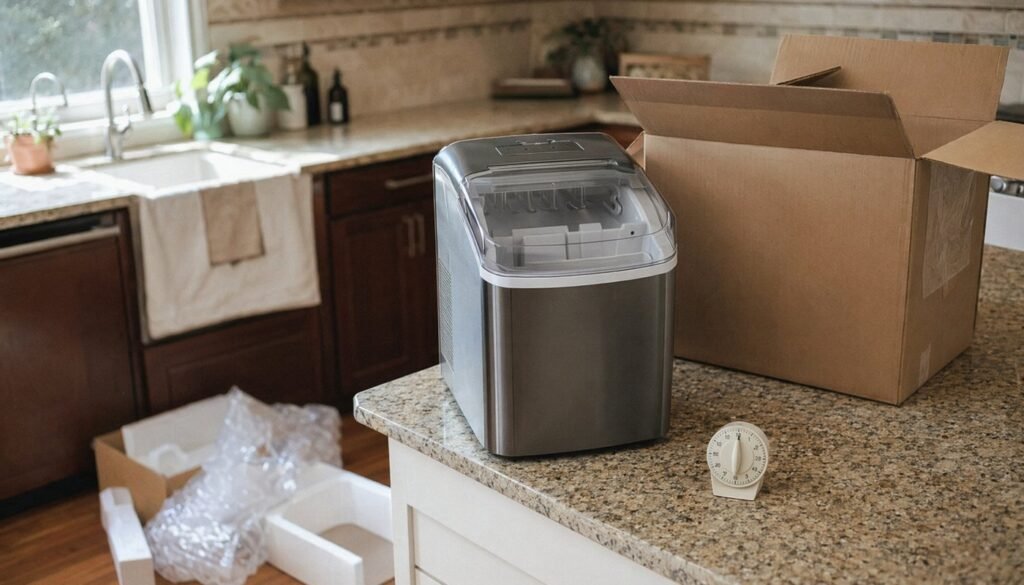
If you are wondering how much is an ice maker, expect to pay between $100 and $200 for a basic portable unit, while high-end built-in models range from $1,500 to $4,000 based on your capacity and installation needs. Always check retailer pricing before you commit.
Performance is largely determined by the machine’s cooling capacity and the insulation quality of the storage bin. If you prioritize speed, choose a model with a high-wattage compressor; if you prioritize energy efficiency, look for units certified by the ENERGY STAR program.
The most common mistake is failing to account for plumbing and drainage costs. Many shoppers buy a built-in unit expecting a simple plug-and-play setup, only to realize they need professional installation for water lines and gravity-fed drains, which can add several hundred dollars to the total project cost.
How much is an ice maker to install?
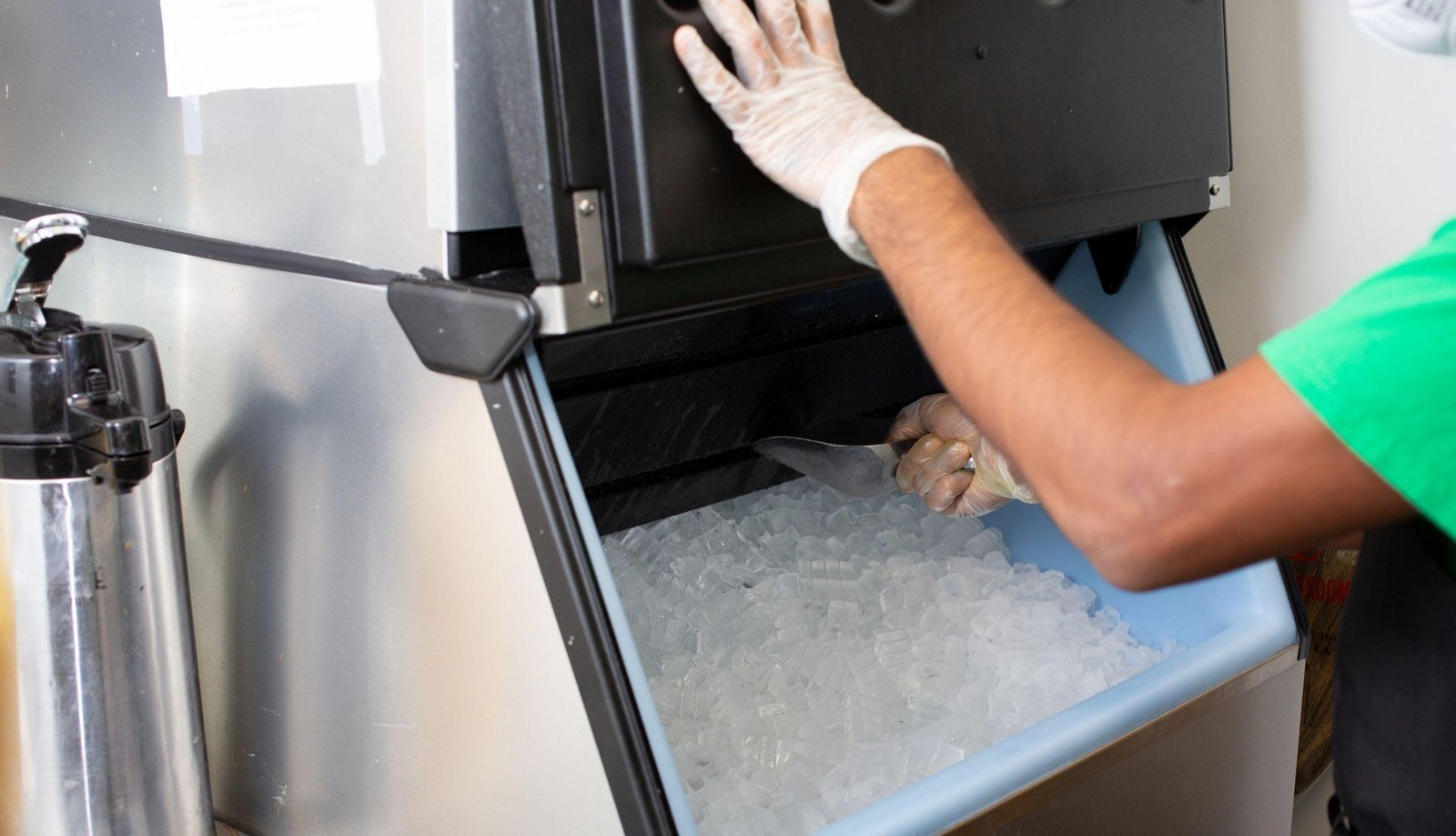
- Clear a space that allows at least two inches of clearance on all sides for proper air ventilation.
- Connect the cold water supply line using a quarter-inch copper or braided stainless steel tubing kit.
- Tighten all fittings with a wrench until they’re snug, but don’t overtighten, as this can crack plastic connectors.
- Plug the unit into a dedicated grounded outlet to prevent electrical shorts or tripped breakers.
- Turn on the water supply valve and check every connection point for dampness or slow drips.
- Run the first three cycles of ice and discard them to ensure the water lines are flushed of manufacturing debris.
Tip: If you’re installing a built-in unit, ensure the floor is perfectly level; if it tilts, the ice will clump and the bin sensor will fail.
Tip: Always use a water filter if your home has hard water; mineral buildup can ruin the evaporator plate in less than six months.
How long it takes
Installation time varies based on the unit type and the proximity of existing water lines.
| Situation | How long | What changes it | What to watch for |
|---|---|---|---|
| Portable unit | 10 minutes | Adding water | Water level sensor |
| Built-in (no plumbing) | 2 hours | Access space | Leakage points |
| Built-in (new plumbing) | 4–6 hours | Pipe complexity | Pressure drops |
How to tell when it’s done
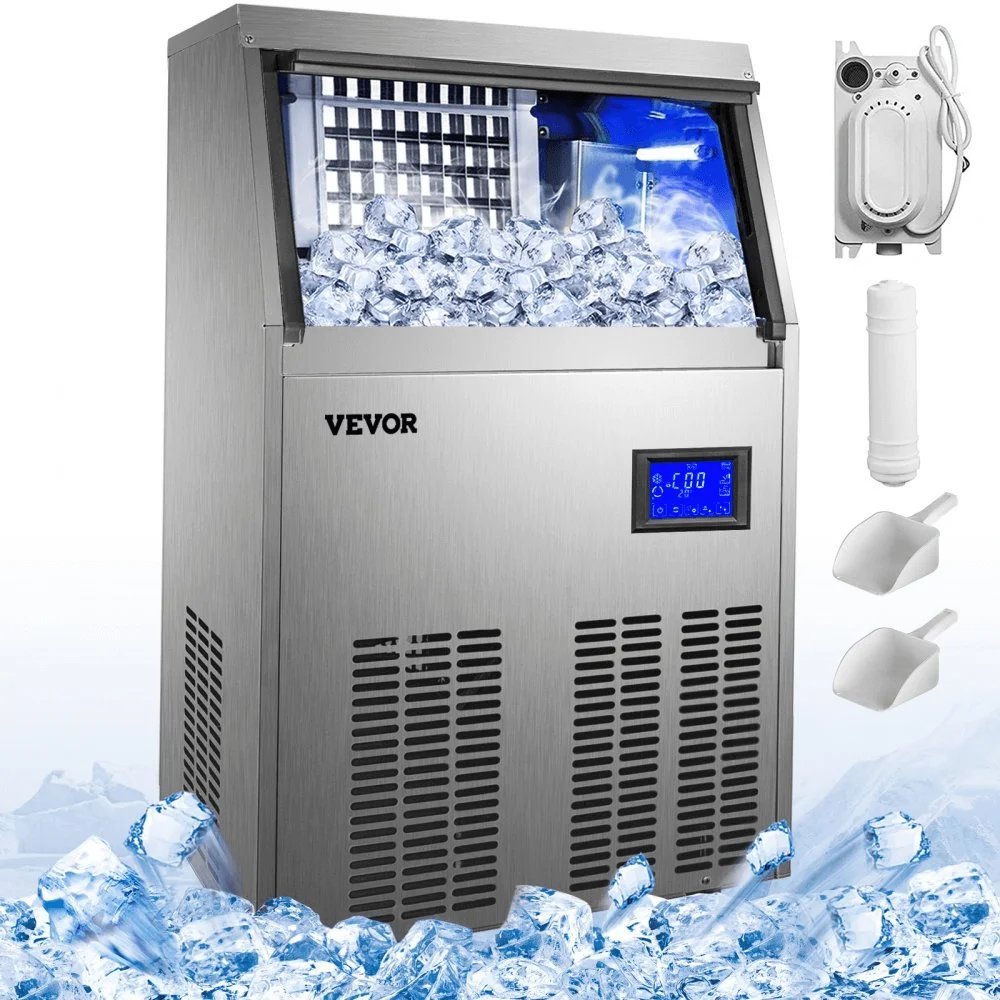
You know the unit is working correctly when the first batch of ice drops into the bin within 15 to 30 minutes. The ice cubes should be uniform in size; cloudiness is often caused by trapped air or minerals and doesn’t necessarily indicate a machine malfunction. If the machine is a built-in model, listen for the sound of the harvest cycle, which is a distinct clicking or motor-whirring noise as the ice is released from the mold. If the bin is full but the ice is melting together into a solid block, the bin may lack adequate insulation or the ambient temperature may be too high.
Mistakes that ruin it
- Ignoring the ventilation gap: Blocking the side or back vents causes the compressor to overheat, which shortens the lifespan of the motor by years. Always ensure the unit has the manufacturer’s recommended clearance for airflow.
- Using non-filtered water: Hard water leaves calcium deposits on the ice-making tray, which prevents the ice from releasing properly. Install a dedicated inline filter to prevent these mineral buildups from damaging the tray.
- Overloading the bin: Putting external ice into the bin can trigger the sensor incorrectly, causing the machine to stop producing ice prematurely. Keep the sensor area clear so the machine can accurately detect when the bin is full.
- Neglecting the cleaning cycle: Failing to run a descaling solution once every six months leads to mold growth in the water distribution tubes. Follow the manual to flush the lines regularly to maintain hygiene.
Frequently asked questions
Can I install an ice maker myself?
Yes, you can install a portable unit by simply plugging it in, but built-in units require basic plumbing knowledge. If you’re uncomfortable working with water lines or electrical wiring, hire a licensed plumber to avoid leaks that could damage your cabinetry or flooring.
Why is my ice maker making loud noises?
The most common cause is the unit being slightly unlevel, which causes the internal motor to strain during the harvest cycle. Check that all four feet are touching the floor firmly; if the noise persists, the water pump may be clogged with debris.
How long does an ice maker last?
Most residential ice makers last between five and ten years with regular maintenance and filter changes. This varies by model — check the label for the expected service life and ensure you perform the recommended descaling steps to reach that full potential.
Is it safe to leave an ice maker on all the time?
Yes, it’s safe to leave the unit running because the internal sensor automatically stops production when the bin is full. However, if you’re leaving your home for more than one week, turn off the water supply and empty the bin to prevent stagnation.
What happens if the power goes out?
The ice inside the bin will begin to melt, but most machines will automatically restart once the power returns. You should discard any ice that has melted and refrozen into a single mass, as it can damage the ice-making mechanism or cause clogs.
How much water does an ice maker use?
A standard residential ice maker uses about two to three gallons of water per day if it’s running at full capacity. This varies by model — check the label for the specific gallon-per-day rating if you’re concerned about your utility usage.
Final Thoughts
Before you head to the store, measure your available counter or cabinet space carefully. You’ll want to ensure the unit fits perfectly and has proper ventilation to run efficiently. Once you’ve confirmed the dimensions, you’re ready to pick a reliable model that’ll keep your drinks chilled all summer long.