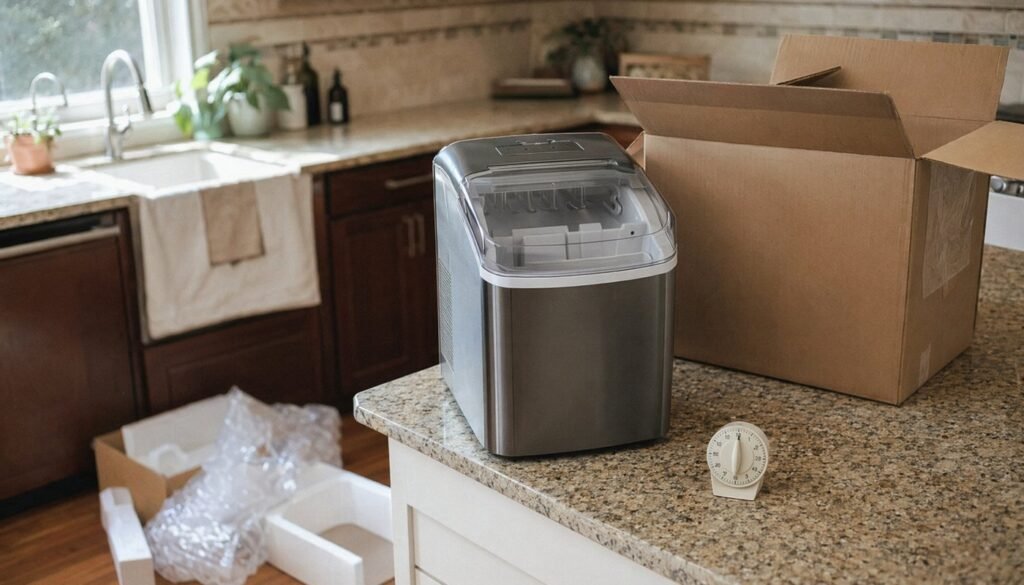
Yes, nugget ice is the same as sonic ice because both terms describe the same soft, chewable, cylindrical ice made by compacting flaked ice. This type of ice is identical in texture and shape, regardless of the brand or machine that produces it.
Is nugget ice the same as sonic ice? The Truth
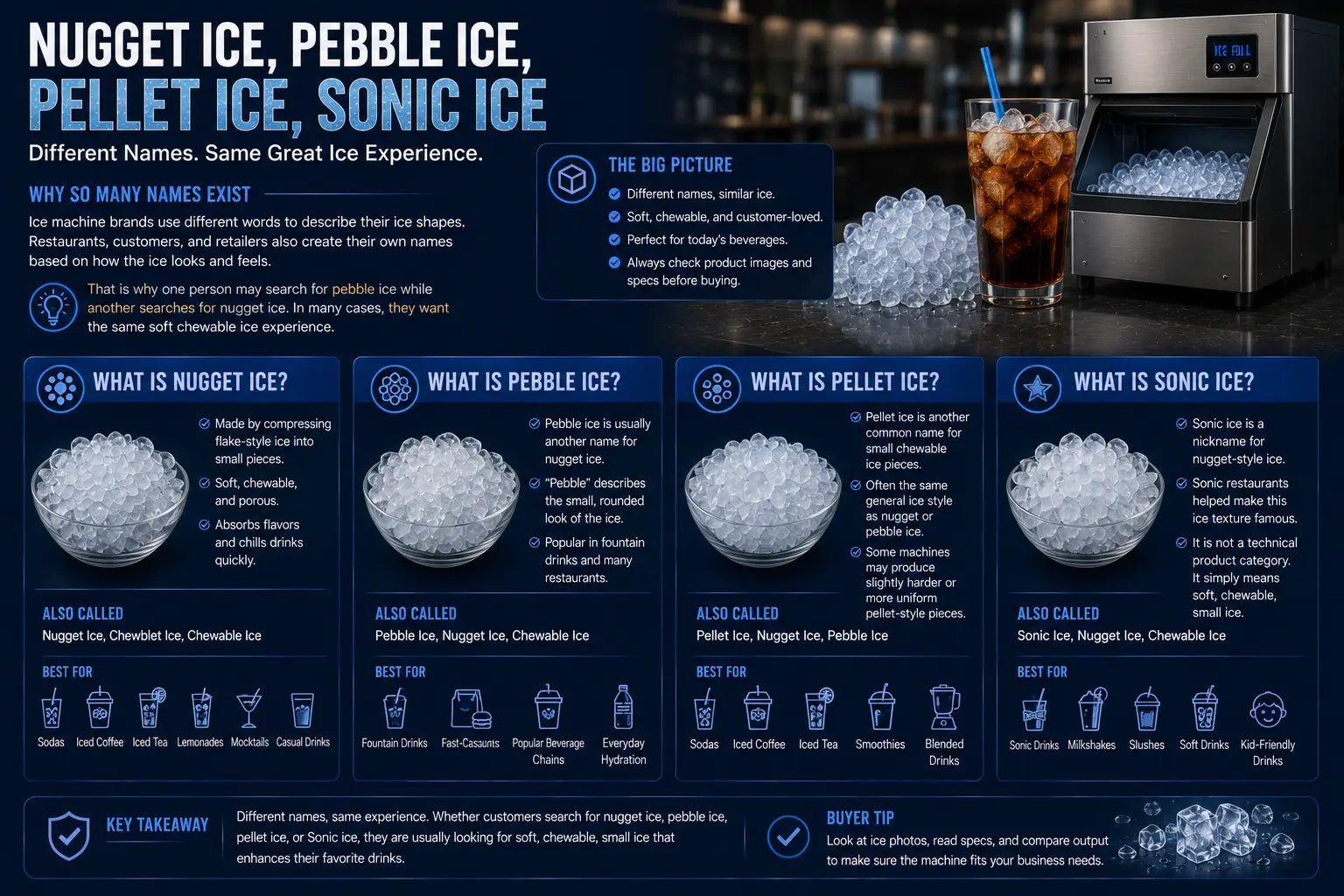
- Nugget ice and sonic ice are interchangeable terms for the same product.
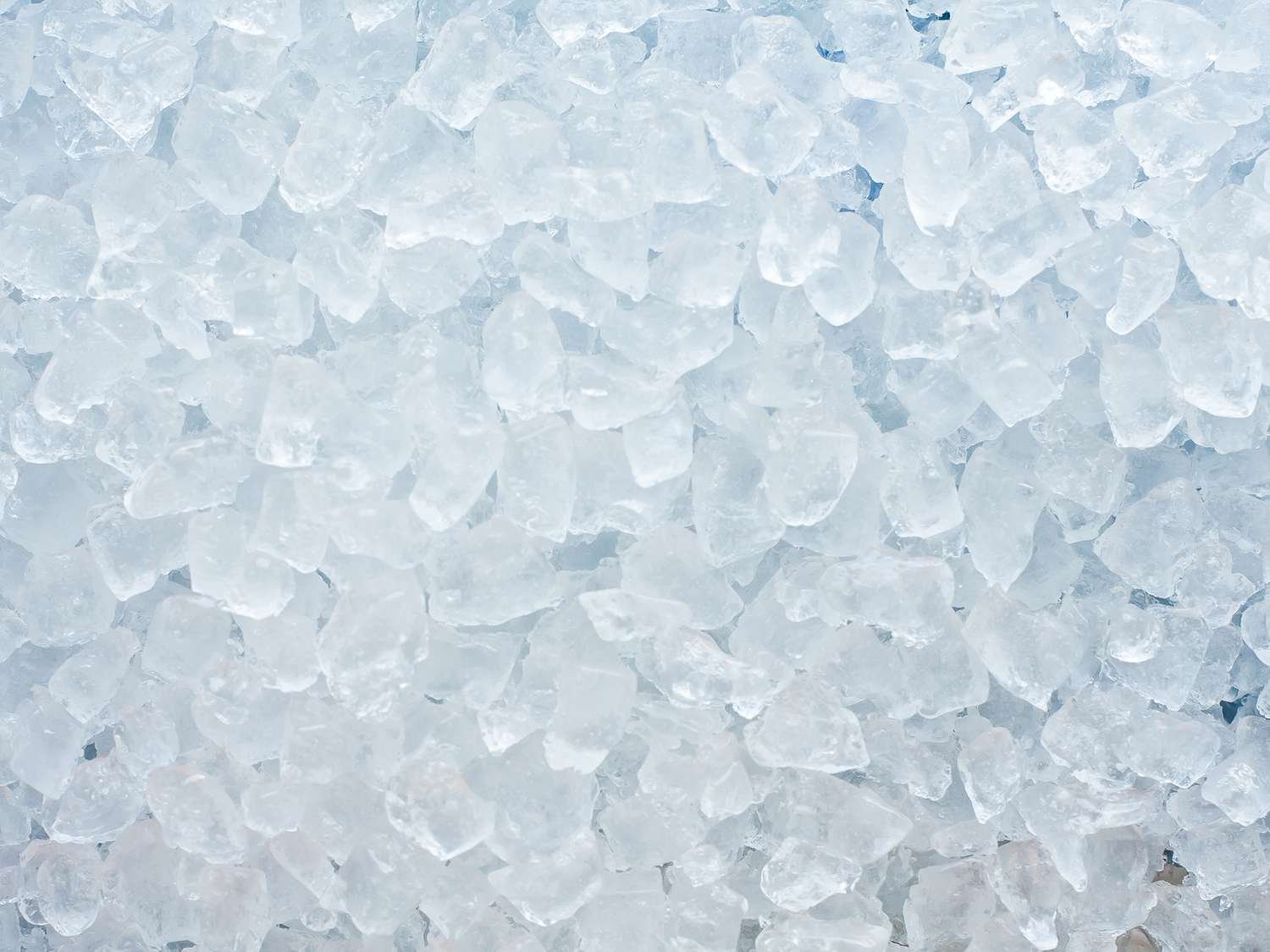
- The texture is soft and porous, which allows it to absorb liquid flavors.
- Commercial machines create this ice by compressing ice flakes into small, uniform pellets.
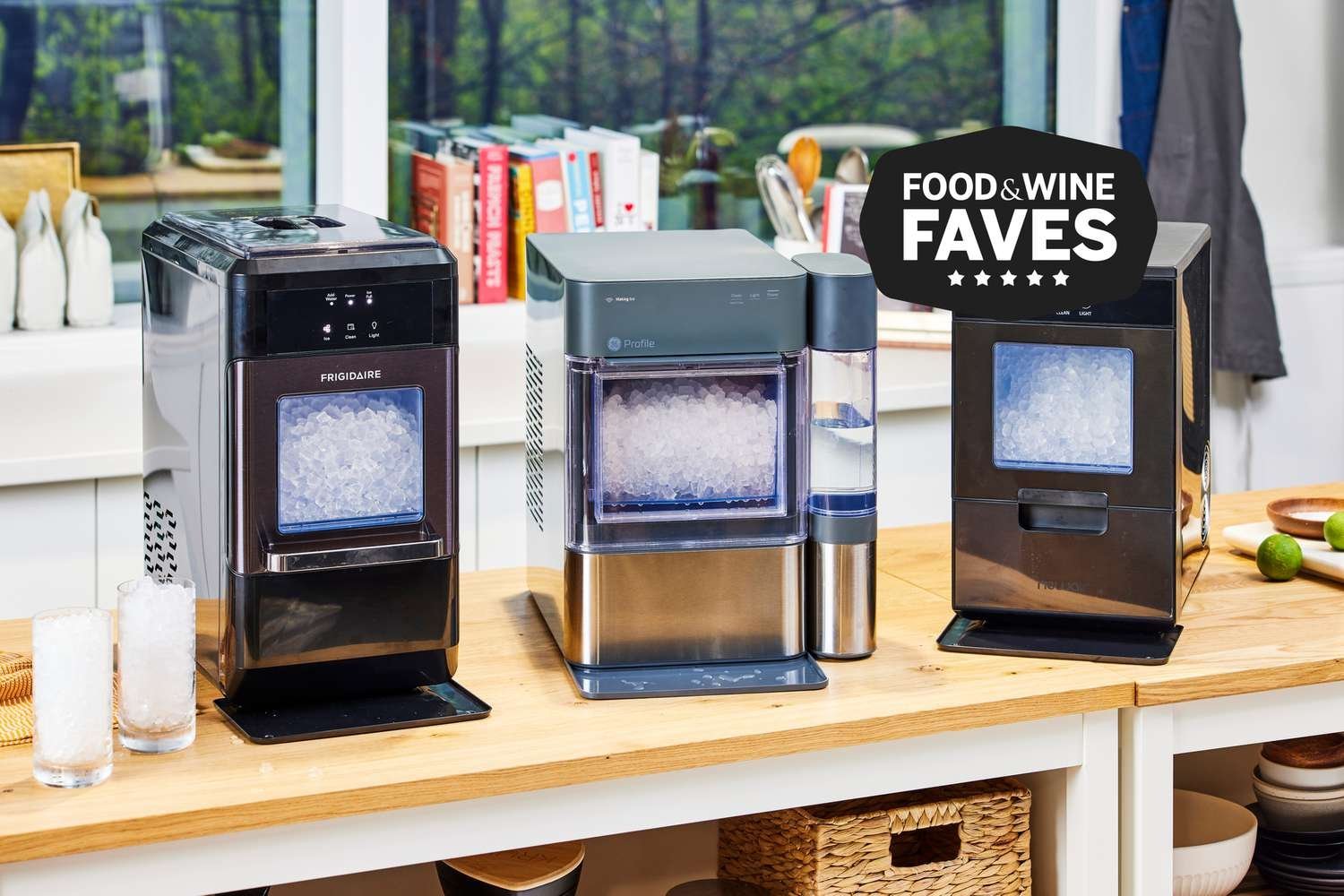
- Household countertop models produce the same result as commercial units found in restaurants.
- Check the NSF International food equipment standards to understand how these machines are certified for safe use in food environments.
- Always clean the water reservoir weekly to prevent mineral buildup and mold growth.
Why soft ice is unique
The reason this ice feels different from standard cubes is the production method. Traditional ice makers freeze water into solid, hard blocks that are difficult to crunch. In contrast, these machines scrape thin layers of ice from a refrigerated cylinder and pack them together under pressure. This process creates a porous structure that holds air bubbles, making the ice soft enough to chew without damaging your teeth.
Because the ice is made of compressed flakes, it melts faster than a solid cube, which chills drinks almost instantly. The high surface area of the pellets creates a large contact area with your beverage. If you’re ever unsure about your machine’s specific output, check the owner’s manual for the term “compacted flake ice.” This is the industry-standard name for what consumers call nugget or sonic ice. The mechanism relies on consistent water flow, so keep your water lines clear to ensure the nuggets stay perfectly soft.
When the answer is different
| Situation | What changes | What to do instead |
|---|---|---|
| High mineral water | Ice becomes cloudy | Use a water filter |
| Worn auger blade | Pellets become jagged | Replace the internal blade |
| Low water pressure | Ice is too dry | Check the supply line |
| Dirty machine interior | Ice develops odor | Run a descaling cycle |
How to do it properly
- Pour filtered water into the reservoir until the indicator light shows it’s full to prevent scale buildup in the cooling chamber.
- Turn the power switch to the “on” position and wait 15 minutes for the first cycle to produce the initial batch of ice.
- Discard the first two batches of ice to ensure any manufacturing dust or residue is flushed out of the internal cooling system.
- Monitor the bin sensor; when the ice reaches the top, the machine will stop automatically to avoid overflowing the internal storage area.
- Scoop the ice using the provided plastic tool to avoid scratching the interior coating of the bin, which protects against bacterial growth.
- Empty the ice bin completely if you plan to leave the machine off for more than 48 hours to prevent stagnant water.
The mistakes that ruin it
Using tap water with high calcium content causes white flakes in your drink and ruins the taste. If your local water hardness exceeds 120 parts per million, switch to filtered water immediately to avoid mineral scaling on internal cooling components.
Refilling the water tank without cleaning it monthly leads to slime buildup that clogs the internal pump. This biofilm creates a bitter metallic aftertaste and shortens the motor’s lifespan.
Turning the machine off while ice is still in the bin causes the pellets to fuse into a solid block. Always empty the reservoir completely before powering down.
Forcing the ice scoop into a frozen block can crack the plastic storage bin. If you encounter a jam, wait ten minutes for the ice to soften rather than prying it, which saves you a costly replacement part.
Frequently asked questions
Can I make nugget ice in my freezer?
No, you can’t make this ice in a standard freezer tray because a freezer lacks the mechanical auger and compression system needed to turn water into small, soft pellets. A home freezer only creates solid, clear ice blocks.
Is it safe to chew on nugget ice?
Yes, it’s safe for most people because the porous, soft structure of the ice is designed to be chewable. However, if you have sensitive teeth or dental work, consult your dentist before making this a daily habit.
How long does a nugget ice maker last?
Most countertop models last for several years depending on how often you descale the machine.
Does it matter what water I use?
Yes, using filtered or distilled water is necessary to prevent mineral deposits from clogging the machine’s internal parts. Mineral buildup is the most common reason these machines stop producing ice after the first year.
What happens if I don’t clean the machine?
If you don’t clean the machine, mold and bacteria can grow in the damp, dark environment of the ice bin. This will ruin the taste of your ice and potentially cause health issues for anyone consuming it.
How do I stop the ice from melting too fast?
You can’t stop the ice from melting fast because its soft, porous structure is designed to absorb liquid and chill drinks quickly. If you want the ice to last longer, keep your beverage glass chilled in the refrigerator before serving.
Final Thoughts
If you’re craving that perfect crunch at home, it’s time to explore the countertop machines available today. You’ll find that having a dedicated maker makes a huge difference for your daily drinks. Don’t wait to upgrade your kitchen setup; you’re going to love how much better your iced coffee tastes.