
To learn how to make ice in a chest freezer, place containers of water in the unit’s coldest zone, where they will freeze in 12 to 24 hours depending on volume and temperature.
What this takes
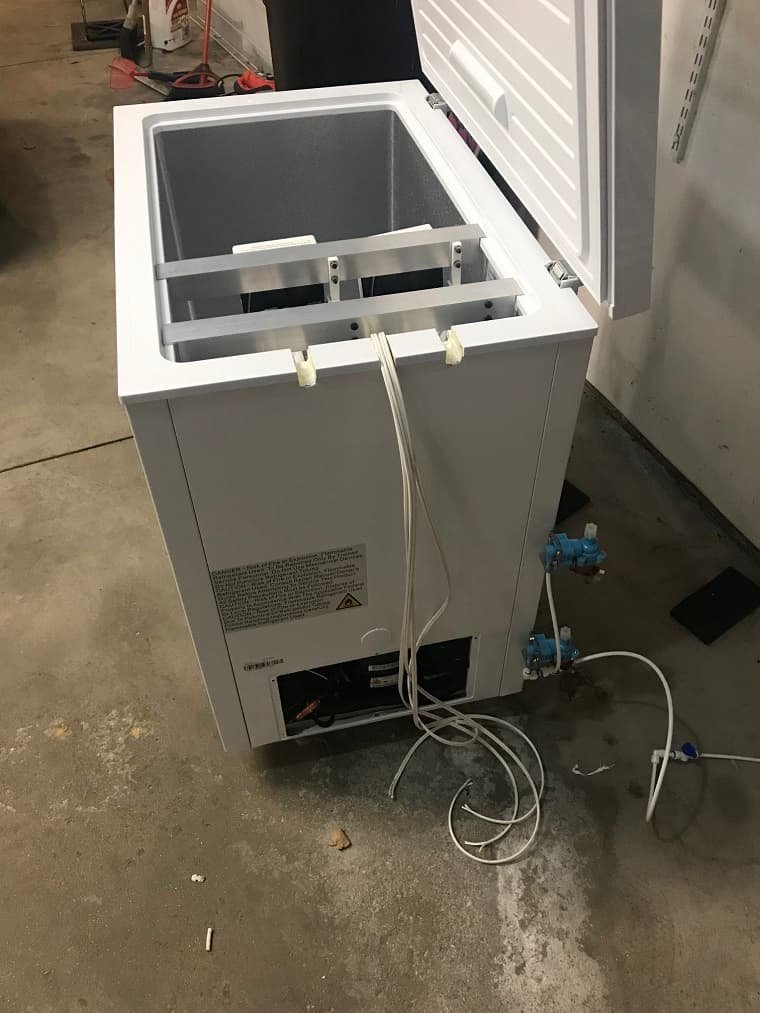
This project takes 12 to 24 hours for a full freeze, depending on your freezer’s temperature setting and the water volume. It’s easy to do, with costs limited to the containers you choose. Before starting, check your freezer’s manual to ensure it’s set between 0°F and -10°F.
What you need
| Item | How much | Why it’s needed | A substitute |
|---|---|---|---|
| Plastic containers | 2 to 4 units | Holds water for freezing | Metal pans |
| Tap water | 1 to 2 liters | The freezing material | Distilled water |
| Freezer thermometer | 1 device | Verify internal temperature | None — don’t swap |
| Tray or mat | 1 piece | Protects freezer floor | Cardboard sheet |
| Freezer space | 1 clear area | Airflow for cooling | None — don’t swap |
Before you start
- Clear a flat space on the bottom of the freezer to ensure the containers sit level.
- Check the FoodSafety.gov cold food storage charts to ensure your unit maintains 0°F, which is necessary for food safety and ice production.
- Remove any frost buildup from the area where you plan to place the water containers.
- If your freezer has a “fast freeze” or “super freeze” mode, switch it on 2 hours before adding water.
How to make ice in a chest freezer
- Fill your plastic containers with cold tap water, leaving at least 2 centimeters of space at the top to allow for the ice to expand.
- Place the filled containers on the bottom floor of your chest freezer, ensuring they’re sitting on a flat, stable surface for even cooling.
- If you’re using multiple containers, arrange them with at least 3 centimeters of space between each one to allow cold air to circulate freely.
- Close the lid completely and avoid opening it for at least 12 hours to maintain the internal temperature required to turn water into ice.
- Check the containers after 12 hours; if the center is still liquid, leave them for an additional 6 to 12 hours to complete the process.
- Once the ice is solid, remove the containers and run the outside under cool tap water for 10 seconds to help the ice slide out easily.
- Turn off the “fast freeze” mode if you activated it earlier, as this saves energy and prevents your other frozen food from becoming too cold.
- Store the finished ice in a clean, airtight bag or container to prevent it from picking up odors or freezer burn from other items.
How to know it worked
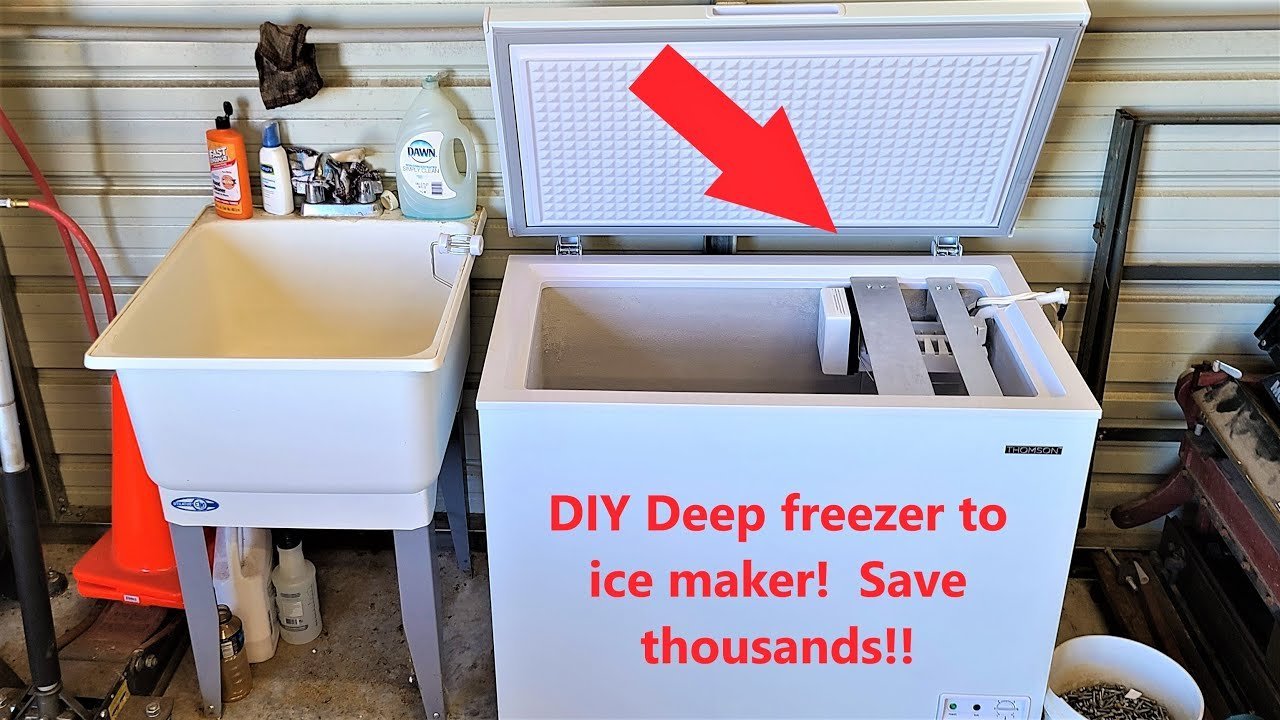
Success is easy to see when you examine the containers. The ice should be completely solid, clear, or slightly cloudy depending on your water quality, and firm to the touch. If you see a liquid center, it needs more time; don’t attempt to force the ice out, as this can crack your plastic containers. If you notice the ice has a strange smell, ensure your freezer is clean and that no open food items are sitting nearby.
If something goes wrong
| What happened | Why | What to do |
|---|---|---|
| Ice stays liquid | Freezer is too warm | Lower temperature setting |
| Cracked containers | Water expanded too much | Leave more headspace |
| Strange taste | Odor absorption | Use airtight containers |
| Frost on ice | Humidity issues | Keep lid closed |
| Ice is cloudy | Trapped air bubbles | Use boiled water |
How often to do this
You can make ice as often as you need, provided you don’t overload the freezer with too much liquid at once. Adding more than 5 liters of water in a single batch can temporarily raise the internal temperature, which risks thawing your other frozen goods. If you need larger amounts, cycle your batches by doing one container every 24 hours to keep the freezer’s compressor load stable.
Frequently asked questions
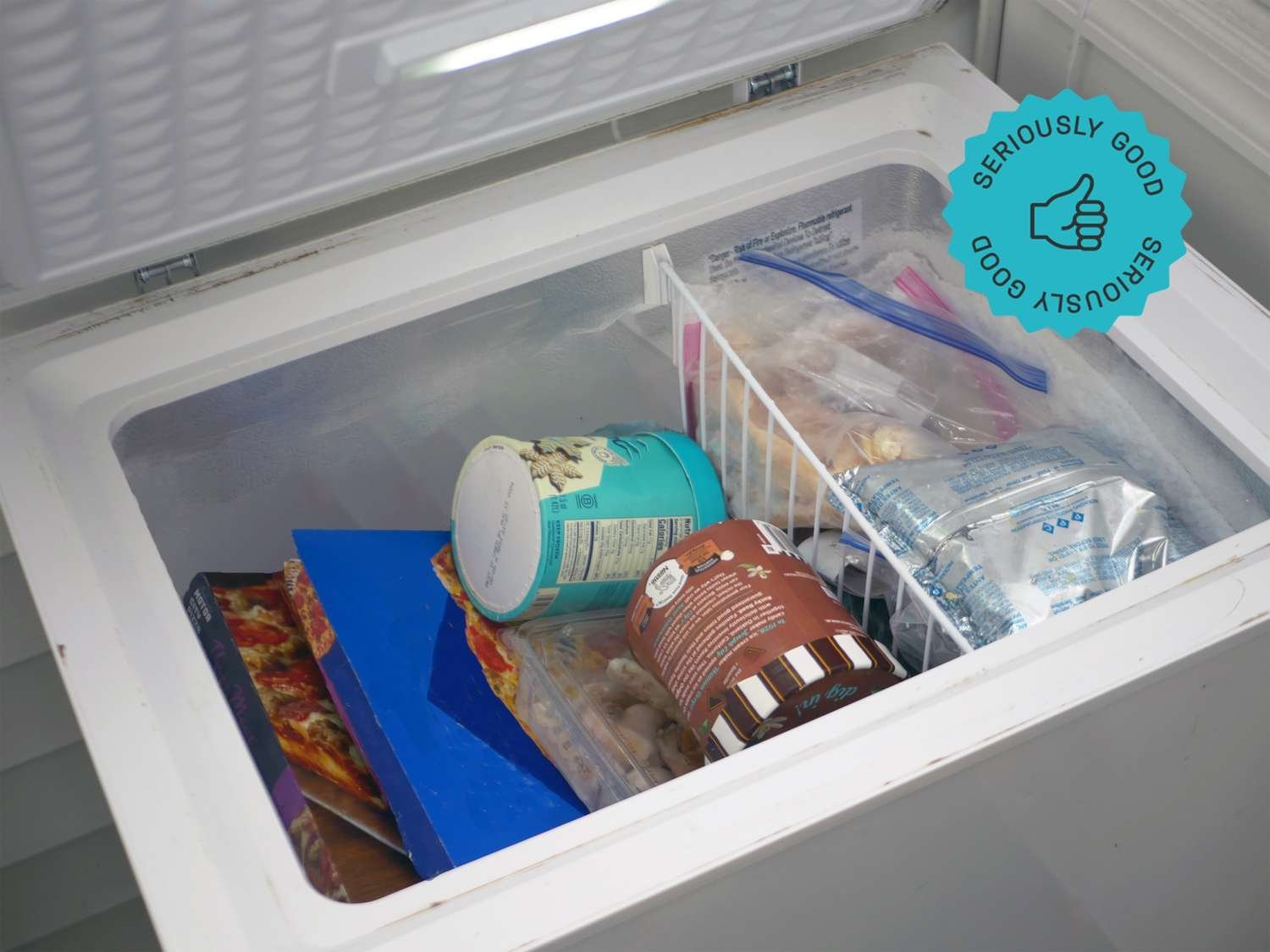
Can I use glass containers to make ice?
No, you should avoid glass because the water expands as it freezes, which often causes the glass to shatter or crack inside your freezer. Always use food-grade plastic or silicone containers instead.
Why is my ice cloudy?
Cloudy ice is caused by trapped air bubbles and minerals in your water as it freezes from the outside in. If you want clear ice, use distilled water and freeze it slowly.
How long does ice last in a chest freezer?
Ice stays good indefinitely if kept at 0°F, but it’s best to use it within 3 months to avoid the absorption of odors. Check the ice for signs of frost or off-odors before using.
Is it safe to freeze water in old food tubs?
Yes, provided the tubs are clean, food-safe, and don’t have cracks that could hold bacteria. Wash them thoroughly with hot, soapy water before refilling them to ensure they’re hygienic.
What happens if I open the lid too often?
Opening the lid lets warm air inside, which slows down the freezing process and wastes electricity. Try to limit how often you look inside while your water is turning into ice.
Does the water quality matter?
Yes, the quality of your tap water directly affects the taste of your ice. If your tap water has a strong chlorine or mineral taste, use a filtered water supply for better results.
Final Thoughts
Once you’ve built up a good supply, try experimenting with different container shapes to see which ones fit best in your storage space. Don’t forget to keep a small scoop nearby so you’re always ready to chill your favorite drinks. You’ll find it’s a simple way to stay prepared for any gathering.
Related guides
Pingback: How to Make Ice in Chest Freezer: A Simple Step-by-Step