
If you are wondering what is a ice maker, it is a device that uses a refrigeration cycle to freeze water into ice cubes automatically. It includes a water inlet valve, a mold, a thermostat, and a sensor to stop production when the bin is full.
Understanding how ice production works
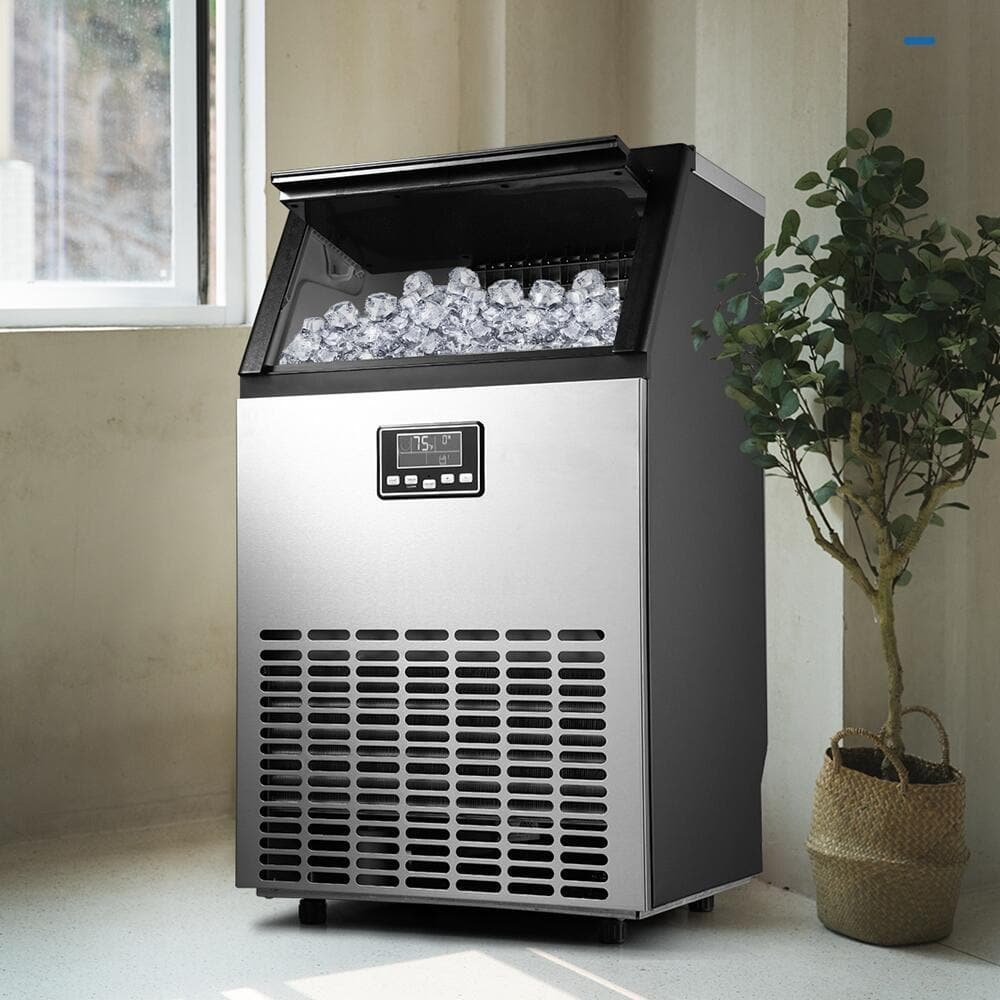
The process relies on a cooling element called an evaporator. When the machine starts, the water valve opens for a few seconds to fill the mold. The evaporator chills the mold until the water turns into solid ice. Once the temperature drops to the set point, a small heater warms the mold slightly to release the cubes. They then drop into a storage bin.
If you have a portable unit, you must add water manually. If you use a built-in fridge model, the machine connects directly to your home plumbing. A common mistake is failing to level the machine. If the unit sits at an angle, water spills out of the tray before it freezes, which causes the ice to form in jagged, uneven lumps rather than perfect shapes.
Steps for successful ice production
- Connect the water line to your cold-water supply using a quarter-inch copper or plastic tube. Don’t use a hot water line, as it can contain sediment and may damage the machine’s internal components.
- Level the appliance using a bubble level on the top surface. If the machine isn’t flat, the water won’t sit correctly in the tray.
- Turn on the power switch or the control panel setting. Tip: Always discard the first two batches of ice. These often contain dust or debris from the new internal lines.
- Set the desired cube size if your control panel offers it. Small settings usually produce ice in about 10 minutes, while large settings take 15 minutes.
- Check the bin sensor arm. If you aren’t using the ice, the arm must be in the “up” position to stop the machine from overflowing. Tip: If you’re unsure about the safety of your water supply, check the FoodSafety.gov cold food storage charts to understand how to keep ice clean and prevent bacterial growth in your storage bin.
- Clean the bin regularly with mild soap and warm water. If you notice a strange taste, check the water filter; it usually needs replacing periodically. If your plumbing system is complex, consult a licensed plumber to ensure you meet local building codes.
How long it takes
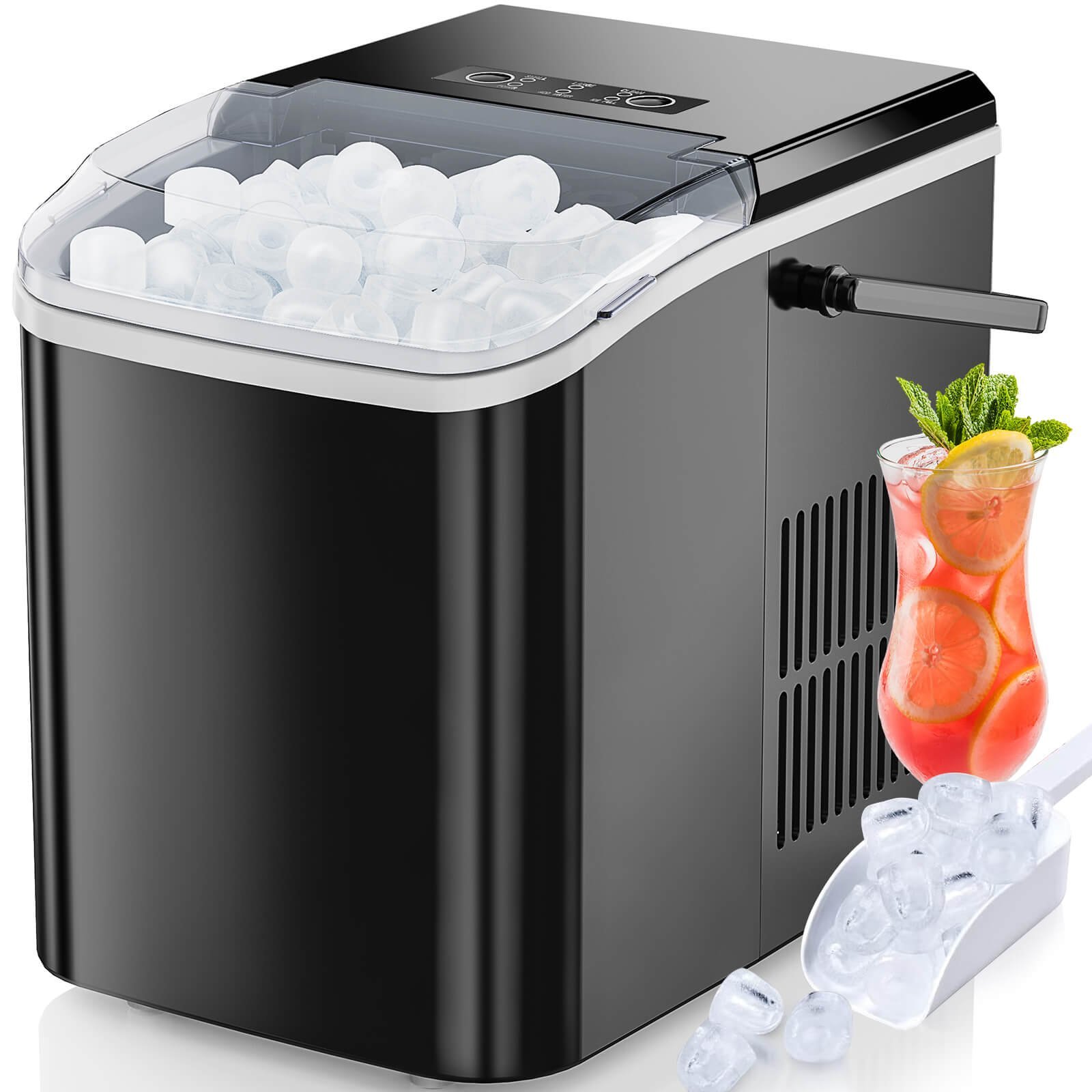
The total time depends on the ambient temperature and the water temperature at the start.
| Situation | How long | What changes it | What to watch for |
|---|---|---|---|
| Standard cycle | 10–20 mins | Water temp | Tray overflow |
If your machine takes longer than 30 minutes for a single cycle, check the condenser coils for dust. A layer of dust blocks airflow, forcing the compressor to work harder and slower.
How to tell when it’s done
You can tell the machine is finished when you hear the cubes drop into the bin. The mechanical arm will move down if the bin is empty, or stay up if the bin is full. A clear sign of a working unit is a consistent, clear shape for each cube. If your ice appears cloudy, it’s usually due to trapped air or minerals in the water, not a broken machine. To confirm the unit is performing correctly, check the internal temperature; it should stay near zero degrees Fahrenheit. If the cubes are melting while inside the bin, your insulation is failing.
Mistakes that ruin it
- Using softened water: Using softened water is generally acceptable, though it may affect the clarity of the ice. Use a standard tap water connection instead to ensure the cubes remain firm and solid.
- Blocking the air vents: If you push the machine too close to a wall, the heat can’t escape the condenser, which causes the ice to melt inside the mold. Keep at least four inches of space on all sides for proper airflow.
- Ignoring the filter light: When you skip a filter change, minerals build up inside the water valve and restrict flow. This leads to small, hollow cubes or a complete stop in production. Always replace your filters on the schedule recommended by the manufacturer.
Frequently asked questions
Can I use distilled water in my ice maker?
Distilled water is generally safe to use, though some machines may produce clearer ice with mineralized water. Using distilled water can confuse the sensors, leading to overflow or very small, brittle ice cubes that break apart easily.
Why is my ice maker making loud noises?
The noise usually comes from the water valve opening or the ice dropping into the bin. If the sound is a loud grinding or rattling, the internal fan or the water pump may have loose parts that require a professional technician to repair.
Is it safe to drink water from an ice maker?
Yes, it’s safe as long as you change your water filter regularly. If you don’t use the ice maker for a long time, discard all existing ice and run two fresh cycles before using the cubes in your drinks.
What happens if I lose power?
The ice inside the bin will begin to melt and may leak onto your floor once the power returns. If you know a storm is coming, empty the bin and place a towel underneath the machine to catch any melting water.
How do I stop my ice maker from overfilling?
The machine stops automatically when the ice hits the shut-off arm or the infrared sensor. If it continues to fill, the sensor is likely blocked by a stray piece of ice or a buildup of frost that needs cleaning.
Final Thoughts
Whether you’re hosting a summer party or just enjoy a cold drink after work, these machines make life much easier. If yours isn’t working quite right, don’t worry—it’s often just a simple filter change or a quick cleaning. You’ll find that keeping it well-maintained ensures you’ve always got plenty of ice ready.
Related guides
Pingback: Aicok Ice Maker How to Use: Simple Steps for Perfect Cubes