You can how to manually cycle ice maker by locating the test button on the ice maker motor head and holding it for five seconds until the gear rotates. This process forces the unit to start a harvest cycle and refill the tray.
How to manually cycle ice maker: Tools you need
- Flashlight: To see inside the freezer compartment clearly.
- Flat-head screwdriver: Useful if you need to gently pry off a plastic cover.
- Towel: To catch any water that might spill during the test.
- User manual: To identify the specific location of your test switch.
- Safety glasses: To protect your eyes from loose ice chips.
If you don’t have your manual, search your brand’s official support documentation to find the model-specific diagram. Never use metal tools to force the blades if they’re stuck, as this can damage the motor.
Step-by-step
- Empty the ice bucket so you can see the ice maker assembly clearly at the top or side of the freezer.
- Remove the plastic cover on the front of the ice maker if your specific model hides the test switch behind it.
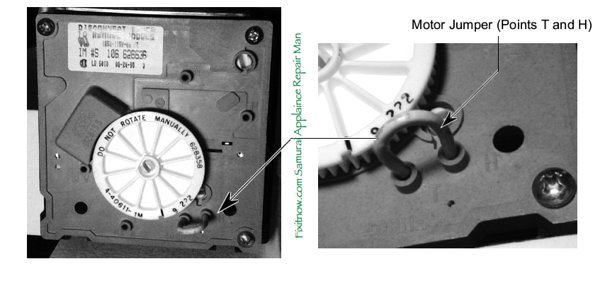
- Locate the small button or two metal contacts marked as “test” or “T” on the motor head.
- Press and hold the button for five to ten seconds until you hear the motor start to hum or click.
- Release the button once the gear begins to rotate, as the unit will now complete the full cycle automatically.
- Place a towel under the ice maker to catch any overflow if the water inlet valve stays open longer than expected.
- Wait for the cycle to finish, which usually takes about five minutes, to see if the ejector fingers push the ice out.
Tip: If the motor makes a grinding noise, stop immediately and check for jammed ice cubes. Careful: Never touch the electrical contacts with wet hands to avoid a shock. If the unit fails to start, verify the freezer temperature is sufficiently cold, as many units won’t cycle if the internal sensor detects it’s too warm.
Impact of Different Models
The time and effort required to reset your machine depend on the design of the internal controller.
| Model Type | Estimated Time | Complexity | What to Watch |
|---|---|---|---|
| Modular | 5 minutes | Low | Motor gear alignment |
| Electronic | 8 minutes | Medium | Sensor error codes |
| Built-in | 10 minutes | High | Water line pressure |
Starting with a gentle manual test is safer than overshooting with a full power reset, which can sometimes clear your appliance’s memory settings.
How to tell you did it right
A successful cycle means the ejector fingers rotate fully, the heater warms the tray to release the ice, and the water valve opens to refill the mold. If the fingers stop halfway or the tray stays dry, you likely have a faulty water inlet valve or a broken thermal fuse. This happens because the ice maker is a timed sequence; if one part fails to report back to the controller, the whole process stops. To prevent this, keep the freezer door closed as much as possible to ensure the thermostat triggers the cycle correctly.
Maintenance and System Resets
The standard for safe operation is maintained by the Consumer Product Safety Commission, which emphasizes keeping the appliance level and the vents clear of frost. After a manual cycle, ensure the ice bin is pushed firmly into place so the sensor arm can detect when the bin is full. If the unit doesn’t produce ice after two full cycles, wait 24 hours for the system to stabilize. If you suspect a deeper electrical failure, contact a professional technician, as repairing high-voltage components carries a risk of serious injury.
Alternative Reset Methods
Power Cycle
Unplug the refrigerator from the wall for 60 seconds. This resets the main control board, which often clears minor software glitches that stop the ice maker from initiating a harvest cycle automatically.
Control Panel Reset
Some modern fridges have a reset button on the external door display. Holding this for three seconds can force the ice maker to cycle without needing to open the freezer or touch the motor.
Water Valve Check
If the motor cycles but no water enters, the inlet valve may be clogged. Turn off the water supply, disconnect the line, and check for sediment or frozen blockages before attempting another cycle.
Frequently asked questions
Can I manually cycle ice maker if it’s frozen?
No, you shouldn’t attempt to cycle a frozen ice maker because the motor gear can strip or break. Use a hair dryer on a low, cool setting to melt the surrounding ice before trying to move the mechanism.
How long does a manual ice cycle take?
A single manual cycle usually takes between five and ten minutes to complete. This includes the time needed for the heater to warm the tray, the fingers to push the ice, and the water valve to refill the mold.
Is it safe to hold the test button?
Yes, it’s safe as long as you don’t touch the internal metal contacts with your fingers. The button is designed to be pressed by the user, but always ensure your hands are dry before touching any internal components.
What happens if the ice maker won’t stop cycling?
If the unit cycles repeatedly, the thermostat or the control board is likely faulty. Unplug the refrigerator immediately and call a professional, as this indicates a failed component that can’t be fixed by a simple manual reset.
Why is my ice maker making a clicking sound?
Clicking often means the motor is trying to turn but is blocked by ice or a broken gear. Check for obstructions in the tray, and if the path is clear, the motor itself may have reached the end of its life.
Final Thoughts
If the tray doesn’t fill with water or the cubes don’t eject after you’ve tried this, there’s likely a deeper issue with the water line or the motor itself. Don’t hesitate to check your fridge’s manual for troubleshooting tips, as you shouldn’t have to deal with a broken appliance for long.