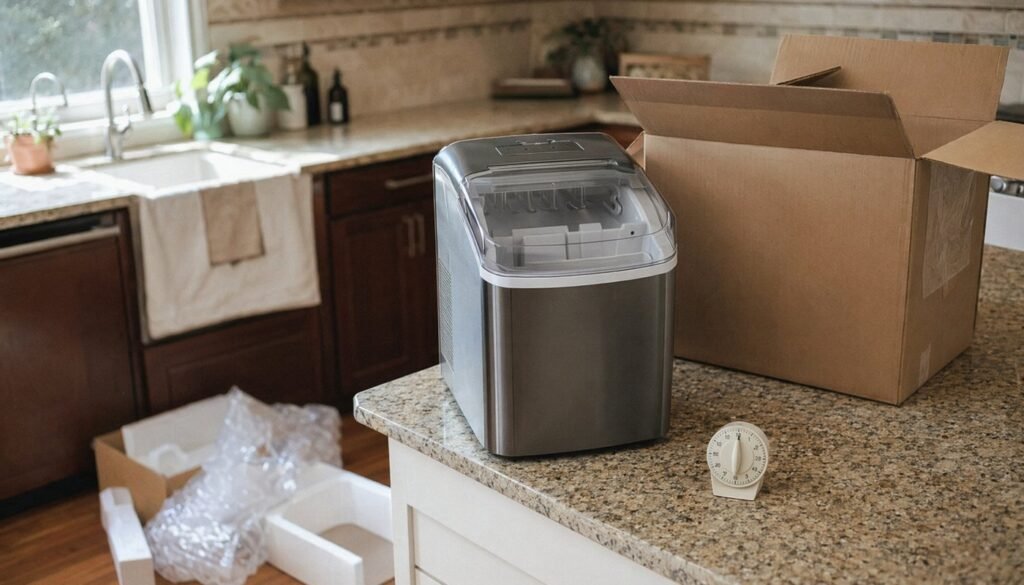
To learn how to make ice in a chest freezer, place rigid plastic containers or silicone trays on a flat, level surface inside the unit.
How to make ice in a chest freezer
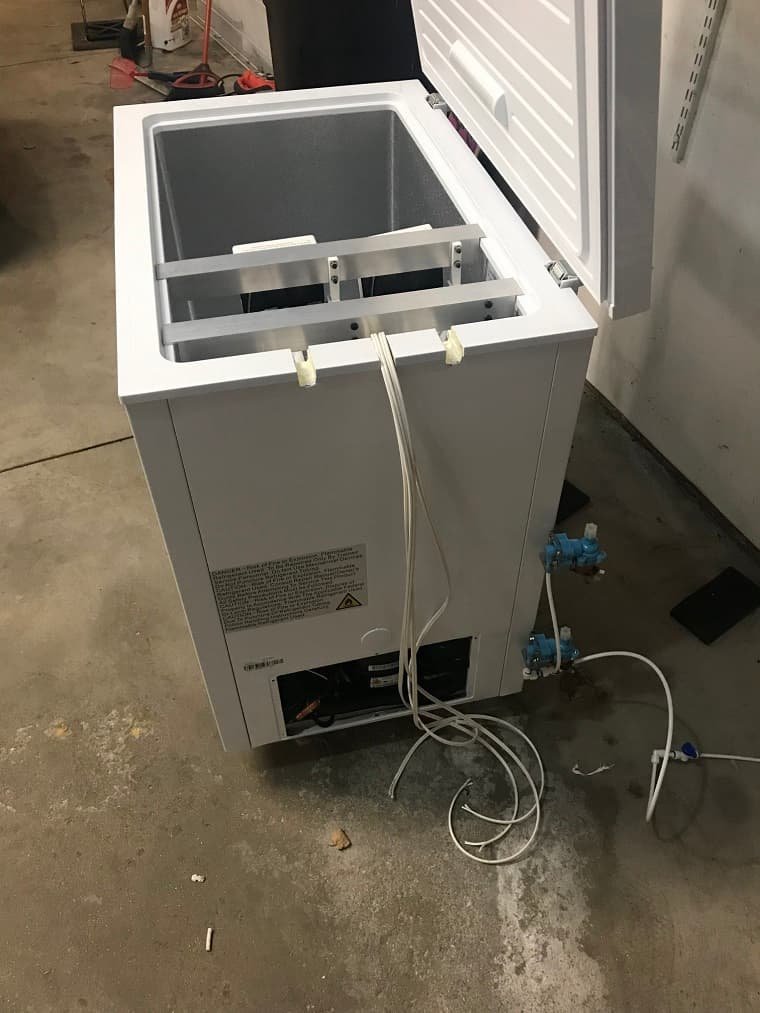
This project requires little effort and costs nothing beyond the energy your freezer already uses. It’s an easy task, provided you have a level spot on the freezer floor. Before starting, check your freezer’s manual to ensure your internal temperature is set to 0°F (-18°C) for optimal food safety and ice production.
What you need
| Item | How much | Why it’s needed | A substitute |
|---|---|---|---|
| Plastic containers | 2 to 4 units | Holds the water | None — don’t swap this |
| Potable water | 1 to 2 liters | Creates the ice | None — don’t swap this |
| Level surface | 1 square foot | Prevents spills | A flat plastic tray |
| Freezer thermometer | 1 device | Verifies temperature | None — don’t swap this |
| Permanent marker | 1 marker | Labels the container | Masking tape |
Before you start
- Clear a flat area on the bottom of the freezer.
- Ensure the freezer door seals tightly to maintain cold air.
- Set your freezer to the coldest setting if you need ice quickly.
- Check your internal temperature using FoodSafety.gov’s cold food storage charts to ensure it stays at or below 0°F.
- Avoid placing containers directly against the interior walls, as this can slow airflow.
Step by step
- Clean your chosen plastic containers with warm soap and water, then dry them completely to prevent ice from sticking to the sides.
- Fill each container with cold tap water, leaving at least 1 inch of space at the top to allow for the water to expand as it freezes.
- Place the containers on a level, clear spot on the floor of the chest freezer, ensuring they’re stable and won’t tip over.
- Close the freezer lid firmly and avoid opening it for at least 12 hours to allow the internal temperature to remain stable and drop.
- Check the ice after 12 hours by pressing the center of the surface; if it’s still liquid, wait another 6 to 12 hours.
- Remove the containers once the ice is solid throughout, which is the only way to ensure it’s fully frozen and ready for use.
- Run the bottom of the plastic container under cool tap water for 10 seconds to loosen the ice block for easier removal.
- Store your ice in a sealed freezer bag to prevent it from absorbing odors from other items stored inside your chest freezer.
How to know it worked
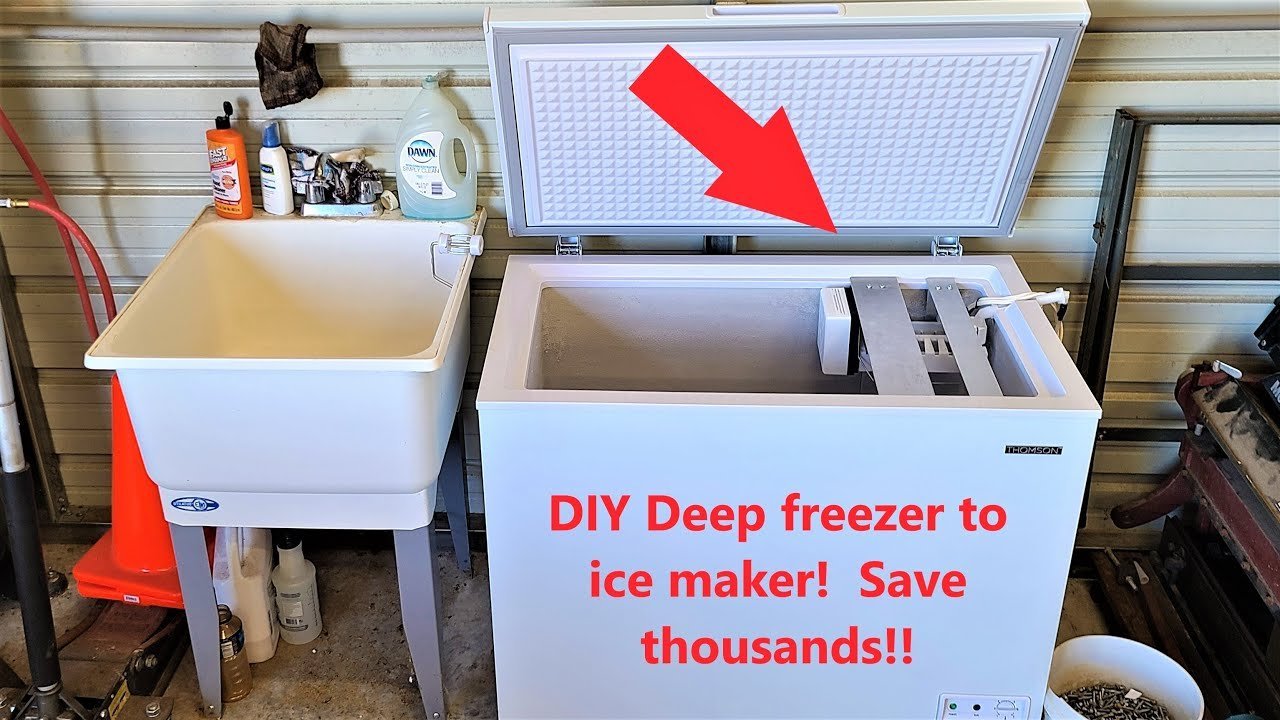
You’ll know the ice is ready when the entire block is solid and hard to the touch. If you see a liquid core or a soft depression in the center, the water hasn’t reached the freezing point through its entire depth. If you find the ice remains soft, your freezer may be too full, preventing air from circulating properly around the containers.
If something goes wrong
| What happened | Why | What to do |
|---|---|---|
| Ice is cloudy | Trapped air bubbles | Use boiled, cooled water |
| Ice tastes bad | Odor absorption | Use a sealed container |
| Ice takes days | Freezer is overloaded | Remove unnecessary items |
| Water spills | Unlevel surface | Use a flat tray |
| Freezer stays warm | Door not sealed | Check the door gasket |
How often to do this
You can make ice as often as your storage needs require, provided you leave enough space for air to move around your food. If you freeze large quantities at once, the freezer will work harder and use more power, which can slightly increase your energy bill. If you only need ice occasionally, do it during off-peak hours to manage your energy usage. Always keep your freezer at 0°F to ensure everything inside remains safe.
Frequently asked questions
Can I use glass containers to make ice?
No, you should avoid glass because the expansion of water as it turns into ice can cause the container to crack or shatter, creating a safety hazard inside your freezer.
How long does it take for water to freeze?
It takes 12 to 24 hours for water to freeze solid in a chest freezer, depending on the volume of the water and how often you open the freezer lid during the process.
Is it safe to store ice in a chest freezer?
Yes, it’s safe to store ice as long as you use food-grade containers and keep the freezer temperature at 0°F to prevent the growth of bacteria on nearby food items.
Does the shape of the container matter?
Yes, shallow and wide containers freeze faster than deep, narrow ones because the cold air can penetrate the water more easily from the top and sides of the container.
What happens if the power goes out?
If the power goes out, keep the lid closed as much as possible to maintain the internal temperature, which helps the ice stay frozen for up to 48 hours in a full freezer.
Does it matter if I use filtered water?
No, it doesn’t matter for the freezing process, but using filtered water can result in clearer ice cubes that are free from the mineral taste found in some tap water.
Final Thoughts
Once you’ve built up a good supply, try using your clear, homemade cubes to chill a refreshing drink on a warm afternoon. You’ll find that having a stash ready makes hosting guests much easier. Don’t forget to rotate your containers occasionally so you’re always using the freshest ice for your favorite beverages.
Related guides