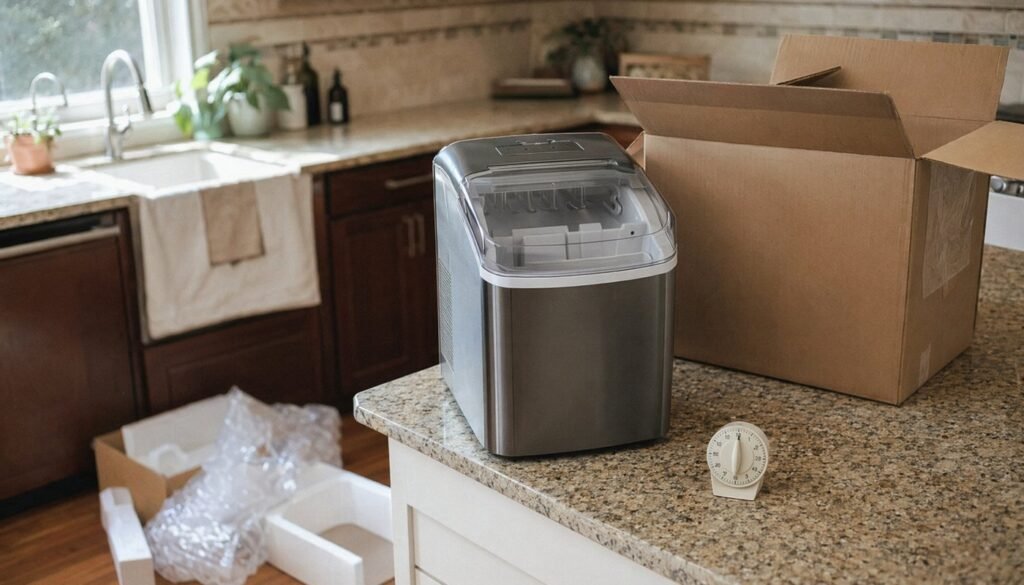
If your model uses a manual fill tray, simply pour filtered water to the fill line and insert the tray.
Getting started with your machine
Before you begin, ensure your water supply line is clear of debris to prevent clogs. The most common mistake people make is failing to discard the first two or three batches of ice. These initial batches may contain dust or particles from the new tubing. Always check your specific owner’s manual, as some high-end units require a specific filter installation before you can safely activate the cooling cycle.
Steps for successful operation
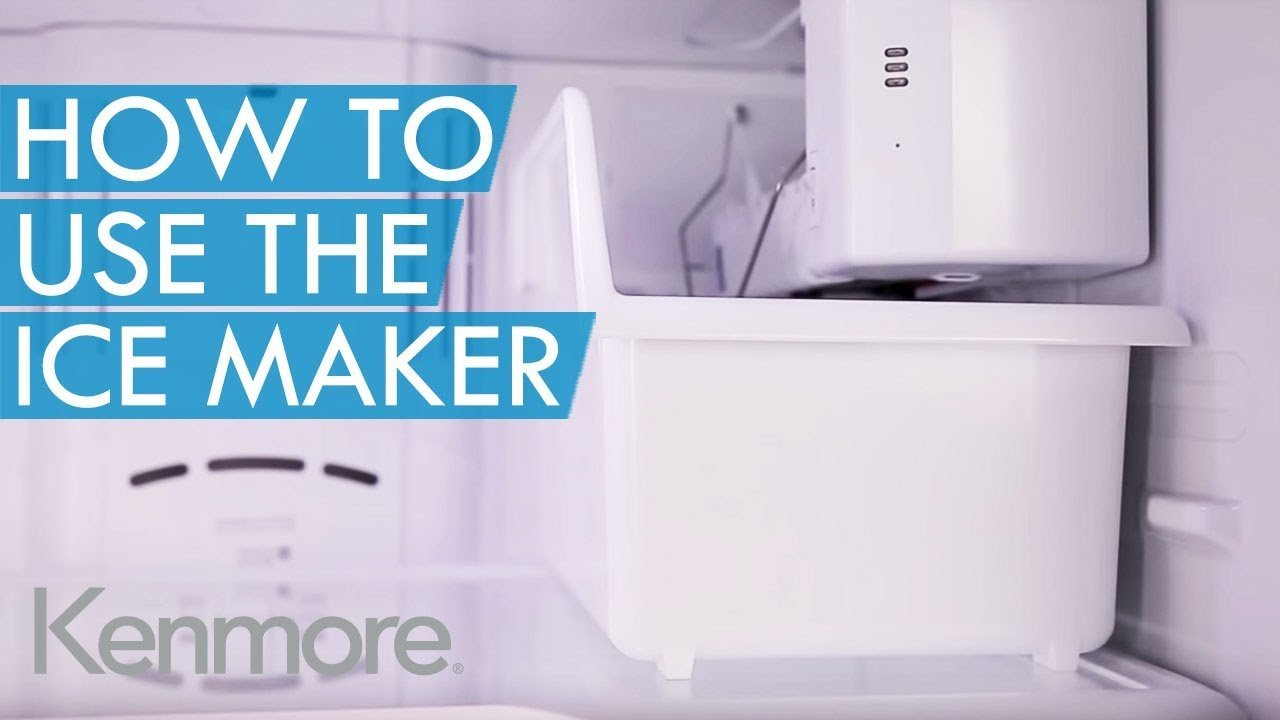
- Connect the supply line to the valve at the rear of the unit, tightening the nut with a wrench until it’s snug but not over-torqued.
- Turn on the water supply valve fully and check for leaks at the connection points; if you see moisture, tighten the nut by another quarter turn.
- Plug the unit into a grounded outlet and flip the power switch or press the “Ice” button on the digital control panel.
- Adjust the ice cube size setting if your model allows it, typically choosing between small, medium, or large depending on your preference.
- Wait for the cycle to complete; most machines take about fifteen to thirty minutes to produce one round of ice. Tip: Never force the ice bin out if it feels stuck, as this often means ice has jammed the ejection arm.
- Discard the first three full cycles of ice to ensure the internal lines are flushed and the water is clean. Tip: If you notice a strange taste, check the NSF International water filter standards to verify if your filter requires a specific replacement cycle.
- Use the provided plastic scoop to remove ice rather than your hands to prevent cross-contamination from oils or bacteria.
How long it takes
The duration depends on your specific model and the ambient room temperature.
If the cycle takes longer than one hour per batch, check if the condenser coils are blocked by dust or if the water pressure is too low.
How to tell when it’s done
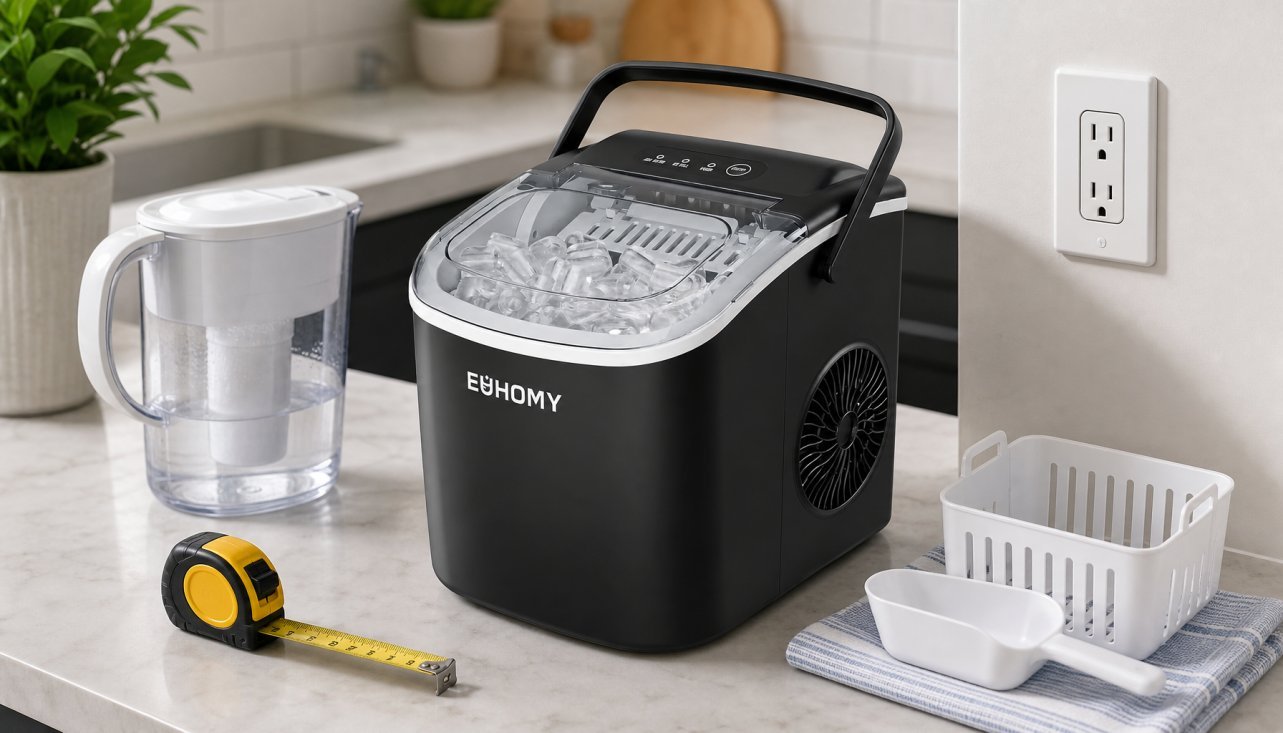
You’ll know the machine is finished when the bin is full and the automatic shut-off arm is lifted or the digital sensor triggers the “Bin Full” light. If you’re unsure, open the door and look for the physical arm at the top of the ice pile. If the arm is pushed upward, the machine has stopped production to prevent overflow. This varies by model — check the label inside the door for specific capacity limits.
Mistakes that ruin it
- Using unfiltered water: Hard water buildup destroys the internal pump and reduces ice clarity, so always use a dedicated water filter if your local supply is hard.
- Overloading the bin: Pushing too much ice against the sensor prevents the machine from knowing it’s full, which can cause the unit to overflow and leak.
- Ignoring the cleaning cycle: Skipping the sanitation process leads to mold growth, so run a manufacturer-recommended cleaning solution if the machine sits idle.
- Blocking air vents: Placing the unit in a tight corner stops the heat exchange, making the compressor work harder and drastically slowing down production times.
Frequently asked questions
Can I use tap water in my ice maker?
Yes, you can use tap water, but it must be potable and safe for drinking. If your tap water is hard or contains high levels of chlorine, it will leave mineral deposits in the machine and affect the taste of your ice, so a filter is recommended.
Why is my ice maker making small cubes?
Small cubes usually mean the water supply pressure is too low or the filter is clogged. Check that your supply valve is fully open and ensure the filter isn’t past its recommended life, as these factors limit the water volume reaching the mold.
How often should I clean my ice maker?
You should clean your ice maker every three to six months to prevent lime scale and bacteria. If you notice the ice looks cloudy or tastes metallic, perform a deep cleaning immediately using a solution recommended by the manufacturer in the user manual.
Is it safe to leave the ice maker on all the time?
Yes, it’s safe to leave the unit on, as it’s designed to cycle on and off automatically based on the bin level. The unit will stay in standby mode whenever the bin is full, consuming minimal electricity while waiting for you to remove ice.
What happens if I lose power during a cycle?
If power is lost, the ice currently in the mold will melt and may drip into the bin or onto the floor. Once power returns, the machine will reset and begin a new cycle, but you should check the bin for any clumps of melted ice before restarting.
Final Thoughts
Keep an eye on the bin as you go, and don’t forget to clean the interior every few months to keep everything tasting fresh. You’ll find that having a steady supply of cubes makes hosting friends much easier. It’s a small habit that really helps you stay prepared for any occasion.