To learn how to work ice machine in freezer units, ensure the water line is connected and the wire sensor arm is down. Most refrigerators require 24 hours to produce a full bin of ice after setup.
Parts of your freezer ice machine
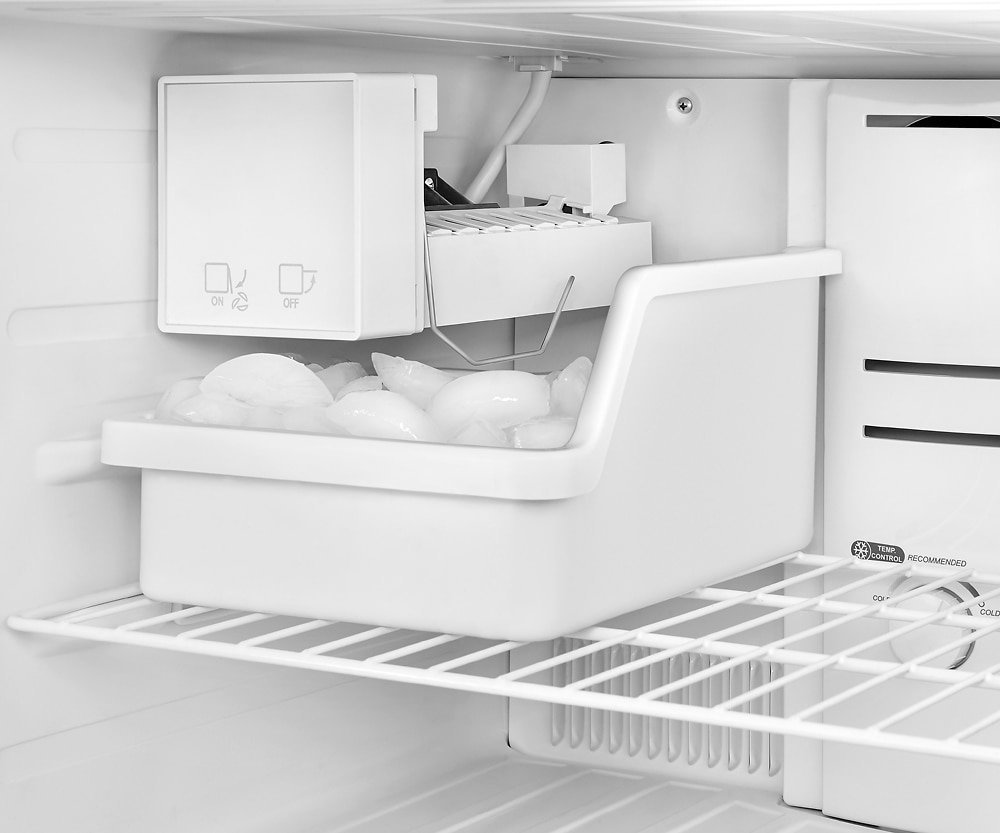
| Item | How much | Why it’s needed | A substitute |
|---|---|---|---|
| Water line | 1 connection | Supplies water to unit | None — don’t swap this |
| Control arm | 1 lever | Starts/stops ice cycle | None — don’t swap this |
| Water filter | 1 unit | Removes minerals/sediment | None — don’t swap this |
| Ice bin | 1 container | Collects finished cubes | None — don’t swap this |
| Freezer door | 1 seal | Keeps temperature constant | None — don’t swap this |
Before you start
- Verify the water supply valve behind the refrigerator is turned fully to the open position.
- Ensure the freezer temperature is set to 0°F or colder for proper freezing.
- Clear all items blocking the ice bin or the wire sensor arm.
- If the water line is kinked, you must straighten it before attempting to start the machine.
- Consult your manual for specific model reset procedures if the unit has been off for months.
How to work ice machine in freezer: Step by step
- Locate the wire shut-off arm on the side of the ice maker and push it down into the “on” position.
- Check that the water supply line is securely attached to the inlet valve on the back of the refrigerator cabinet.
- Close the freezer door tightly to allow the internal temperature to drop to the required operating range for ice production.
- Wait for the fill cycle to begin, which happens once the freezer reaches the correct temperature and the mold is empty.
- Discard the first two batches of ice produced, as these may contain debris or air from the new water line.
- Check the ice bucket periodically to ensure the cubes aren’t clumping together, which indicates a temperature issue or a leak.
- Monitor the ice level to see if the wire arm lifts automatically once the bin is full, stopping production.
- Clean the ice bin with warm, soapy water regularly to prevent bacteria growth, as FoodSafety.gov’s cold food storage charts explain that cold environments don’t kill all pathogens.
How to know it worked
Success is visible when the mold tray fills with water and eventually drops solid, individual cubes into the collection bin. If the machine is working, you’ll hear a mechanical clicking or motor sound followed by the sound of ice hitting the plastic bin. If you see water sitting in the tray for more than 4 hours without freezing, the freezer is likely not cold enough. If the bin stays empty, check that the wire arm hasn’t been accidentally pushed into the “off” position.
If something goes wrong
| What happened | Why | What to do |
|---|---|---|
| No ice produced | Arm is up | Push arm down |
| Small, hollow cubes | Low water pressure | Check water filter |
| Clumped ice | Door left open | Check door seal |
| Water leaking | Line is loose | Tighten the connection |
| Loud grinding | Ice jam | Clear the mold |
How often to do this
You should check your ice machine whenever you perform routine kitchen cleaning. This frequency changes if you live in an area with “hard water,” as mineral buildup can clog the inlet valve faster, or if you use ice very frequently, which requires more constant monitoring of the filter life. Always check the manufacturer label on your filter to see the exact recommended replacement schedule for your specific model.
Frequently asked questions
Can I turn off the ice machine when I am away?
Yes, simply lift the wire shut-off arm to the “up” position to stop production. This prevents the machine from attempting to cycle when you aren’t there to use the ice.
Why is my ice machine making a loud noise?
It’s often caused by ice cubes getting stuck in the ejector mechanism or the bin being overfilled. Check for jams in the mold area and clear any ice blocking the movement.
How long does it take to make a full bin?
About 24 hours is the standard time for a new or empty bin to fill completely. This assumes your freezer is set to the manufacturer’s recommended temperature of 0°F.
Is it safe to eat old ice?
No, ice should be discarded if the freezer has lost power for an extended period or if the ice has absorbed odors. Ice absorbs odors and can harbor bacteria over time.
What happens if the water filter is never changed?
Poor water quality and reduced ice production occur when the filter becomes clogged with sediment. Check your user manual for the specific replacement interval, which is recommended by the manufacturer.
Does the ice maker need a specific water pressure?
Yes, most ice makers require between 20 and 120 pounds per square inch to function properly. If your pressure is too low, the mold won’t fill correctly.
Final Thoughts
If you notice the cubes taste a bit strange at first, don’t worry. Simply discard the first few batches to flush out the system. You’ll find that your ice tastes much fresher once the water line is fully cleared. It’s a small effort that’ll make your cold drinks taste great all summer.