
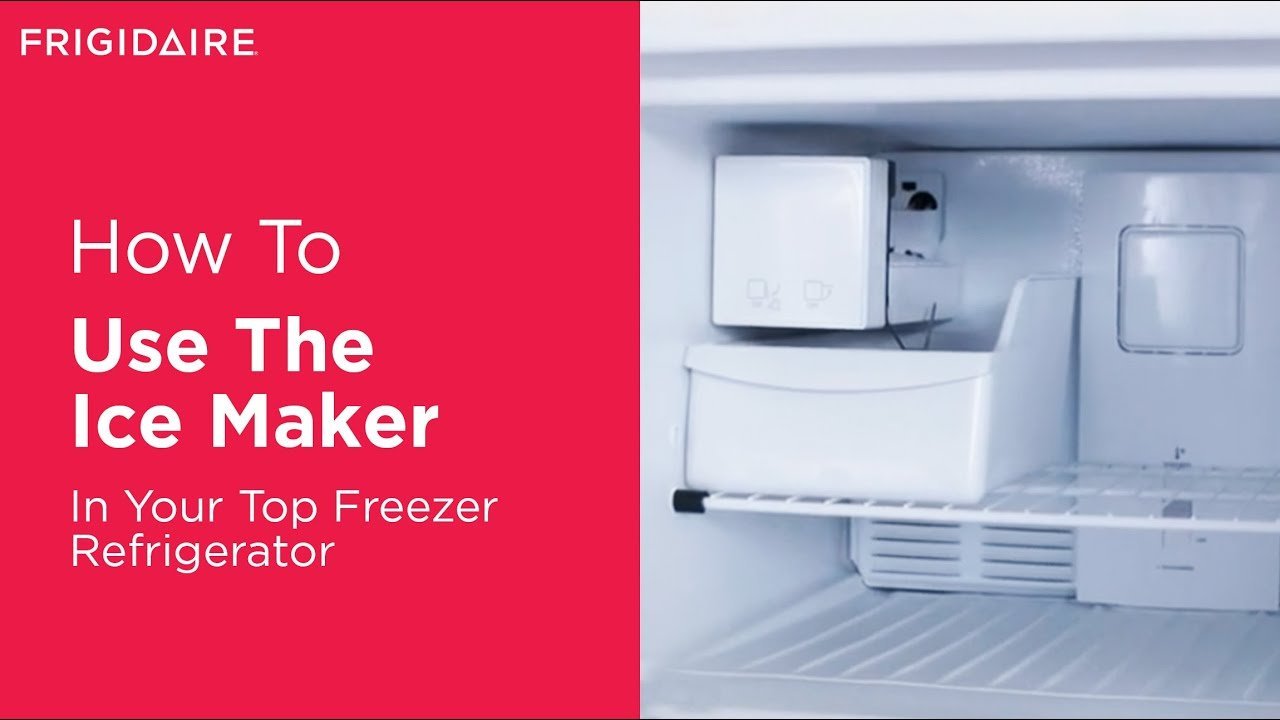
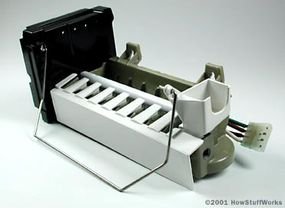
To understand how do ice makers in freezers work, consider their mechanical cycle: an electric valve fills a mold with water, the freezer chills it, a heater loosens the cubes, and a sweep arm pushes them into a bin until a shutoff arm detects it is full.
How do ice makers in freezers work: The Mechanics
| Part or input | What it does | What you notice when it goes wrong |
|---|---|---|
| Water inlet valve | Opens to let household water fill mold | No ice, hollow cubes, or continuous leaking |
| Ice mold tray | Holds water while cold air freezes it | Cracked metal or ice sticking permanently |
| Internal thermostat | Measures mold temperature to trigger harvest | Harvest never starts or cycles too early |
| Mold heating element | Warms bottom of tray to release cubes | Motor hums while ejector blades get stuck |
| Ejector sweep arm | Pushes loosened ice out of the mold | Ice stays in tray and crushes mechanism |
| Bail shutoff arm | Senses ice level inside the collection bucket | Bin overflows or the machine stops completely |
What happens, step by step
- The water inlet valve opens for roughly 5 to 7 seconds, allowing household line pressure to fill the mold.
- Freezer air at 0°F to 5°F cools the metal mold, freezing the water solid over 60 to 90 minutes.
- The internal thermostat reads when the mold reaches about 10°F, which signals the drive motor to start cycling.
- An electric heater beneath the tray turns on for several seconds to soften the bond between ice and metal.
- The drive motor slowly turns the ejector blades, which scoop the loosened cubes up and out of the mold.
- The ejector blades push the cubes past plastic stripper fingers, guiding them directly into the ice bin below.
- The wire bail arm lifts during ejection and drops down; if stopped by piled ice, the switch turns off.
Why this matters when something goes wrong
When a machine fails, the exact symptom tells you which phase broke. If you see hollow cubes, low water pressure or a clogged line filter shut the valve before the tray filled completely. The trade-off of a quick fix is that raising water flow without fixing line pressure can cause the mold to overflow into the freezer.
A common mistake is assuming the motor is dead when ice stops dropping. People buy replacement motors, wasting money and time, when a warm freezer is the true cause. A mold thermostat refuses to harvest until the metal drops below about 10°F. If the freezer sits at 15°F, food stays frozen, but the ice cycle stalls forever. Keep your freezer cold; the FDA food storage guidance recommends keeping your appliance at 0°F (-18°C) or below for safe food storage and proper operation.
What you can change, and what you cannot
What you can adjust or maintain
- Set the freezer temperature dial between -2°F and 2°F for reliable freezing.
- Lift the wire bail arm manually to shut off production before vacations.
- Replace the external inline water filter regularly to maintain pressure.
- Clear ice bridges inside the bin so the bail arm drops freely.
What is fixed by design
- The harvest cycle timing depends entirely on the fixed thermostat trigger.
- Mold water volume matches a preset factory valve pulse time.
- Motor rotation speed can’t be sped up or modified.
This appliance isn’t for anyone seeking commercial batch speeds. If diagnostic checks reveal a split plastic water tube inside the refrigerator cabinet wall, stop work immediately. Water line repairs inside insulated panels require a licensed appliance technician to avoid severe water damage or electrical shorts.
Getting more out of it
Use a simple decision rule: if ice smells bad, dump the bin and wash it; if cubes shrink, turn up your usage. Check your household supply valve behind the fridge; this varies by model — check the label to ensure water pressure stays between 20 and 120 psi. Running below 20 psi causes the inlet valve to weep, which freezes the fill tube solid. Never use steel tools to chip stuck ice from the mold, because gouging the non-stick coating ruins the harvest cycle permanently.
Frequently asked questions
Can a freezer ice maker work without running water?
No, the machine can’t run without a pressurized water line. Running the harvest cycle dry can burn out the internal heating element and damage the plastic gears inside the drive head.
Why are my ice cubes coming out cloudy?
Air dissolved in your tap water causes cloudiness. Household water freezes from the outside in, trapping dissolved gases in the center of the cube as it solidifies.
How long does the first batch take after installation?
About 8 to 24 hours. The refrigerator must cool down to its operating temperature of 0°F first, and the internal mold must chill thoroughly before the inlet valve triggers its first water fill.
Is it safe to leave an ice maker on when away?
No, you should lift the shutoff arm before leaving home. An unexpected water valve failure or a cracked plastic line can leak gallons of pressurized water across your kitchen floor while you’re away.
What happens if the freezer temperature is too high?
The cycle stops entirely. The internal mold thermostat requires a temperature below roughly 10°F to start the harvest sweep, so a freezer running at 15°F will never eject its ice.
Does water filter age affect ice cube size?
Yes, older filters reduce line pressure. A clogged filter starves the timed water valve, which lets less water enter the tray during its fixed 6-second fill cycle, resulting in tiny, hollow cubes.
Final Thoughts
If you notice your cubes are tasting a bit off, it’s usually time to replace the water filter behind your fridge. Keeping that filter fresh ensures your drinks stay crisp and clean. You’ll find it’s a quick task that makes a big difference in the quality of your ice every day.
Related guides
Pingback: How to Use Ice Machine in Freezer: Step-by-Step Setup Guide
Pingback: How to Work Ice Maker in Fridge: Simple Step-by-Step Guide