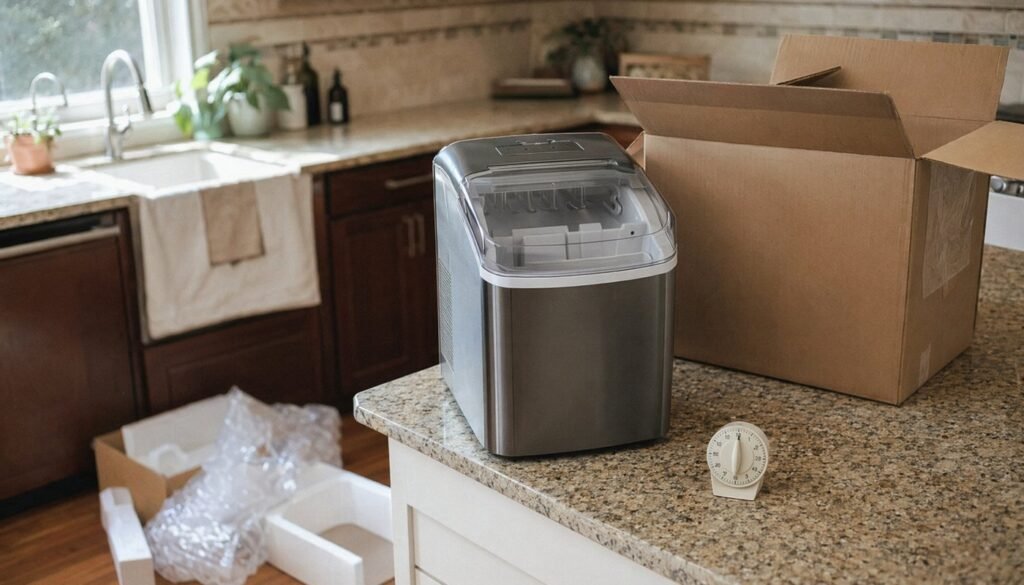
To operate your ice maker in freezer how to use effectively, turn on the wire shut-off arm or digital control panel, wait 24 hours for the first batch, and discard the initial ice to ensure cleanliness. Once connected to a water supply, the system automatically cycles until the bin is full.
Understanding the basics
The most common mistake is failing to verify the water line connection before switching the unit on. If the water valve is closed, the appliance may attempt to cycle dry, which can damage the internal components over time. Always ensure the supply line is fully open and free of kinks.
Before starting, check the ice maker’s power source. If your fridge has a dedicated switch, it must be in the “on” position. Some models require you to press a button on the control panel to activate the ice production mode.
How to start your freezer ice maker
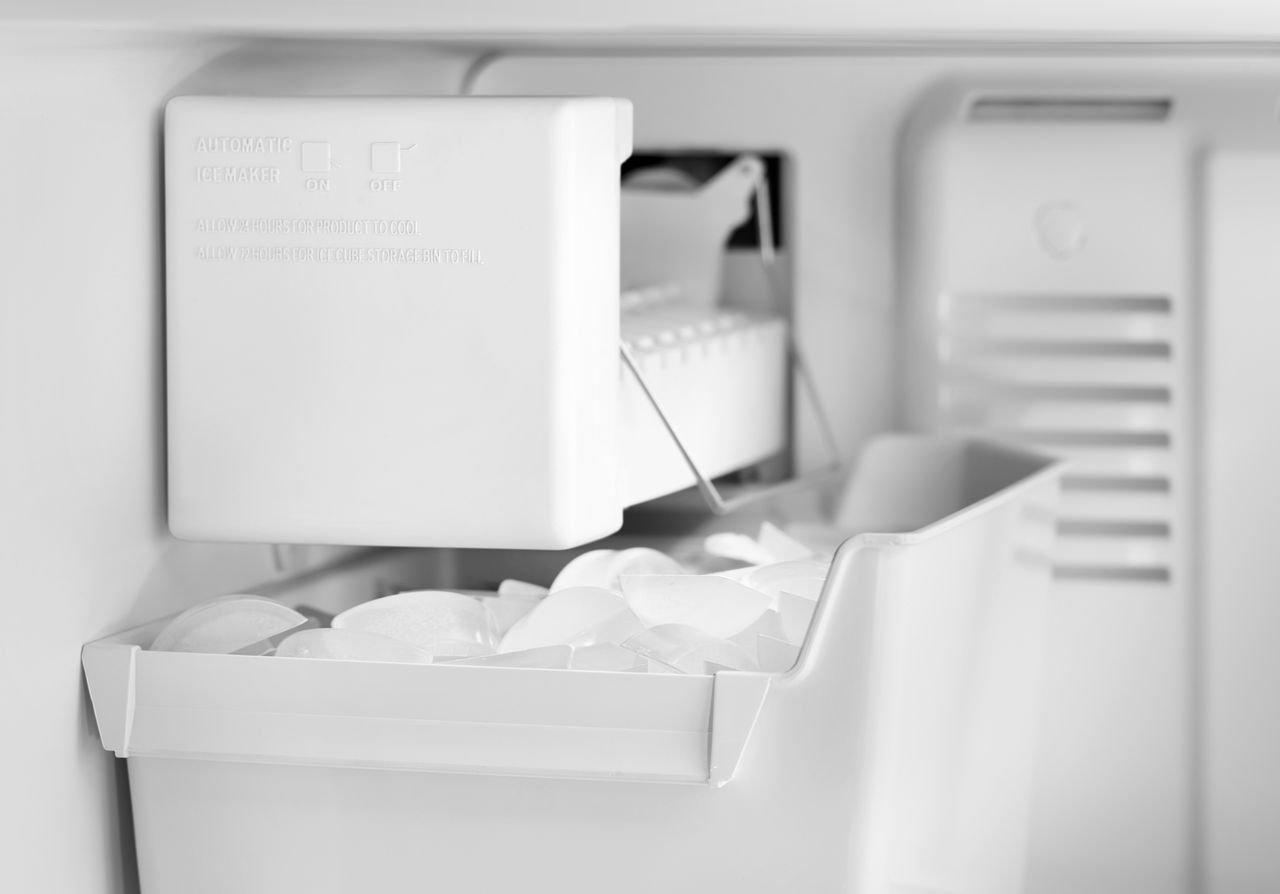
- Lower the metal wire shut-off arm to the “on” position if your model uses a manual lever.
- Push the “Ice On” button on the digital display panel if your freezer lacks a physical arm.
- Allow the freezer to reach its operating temperature, ideally 0°F, to ensure the water freezes properly into cubes.
- Discard the first two bins of ice produced, as these may contain debris or minerals from the new water lines.
- Keep the bin level; if the ice piles up on one side, it will trigger the sensor to stop production early.
- Clean the bin regularly with mild soap and water to prevent mineral buildup and mold growth.
Tip: If you’re going away for more than one week, turn the ice maker off and empty the bin to prevent the cubes from clumping together or absorbing freezer odors.
Tip: Don’t use sharp tools to break up stuck ice, as this can puncture the plastic liner or damage the cooling coils behind the bin.
How long it takes
Production speed depends on your freezer’s temperature and the incoming water pressure, but most units follow a standard cycle.
If the system takes longer than 24 hours to produce a single batch, check the water filter for clogs or ensure the freezer temperature is set to the coldest possible level.
How to tell when it’s done
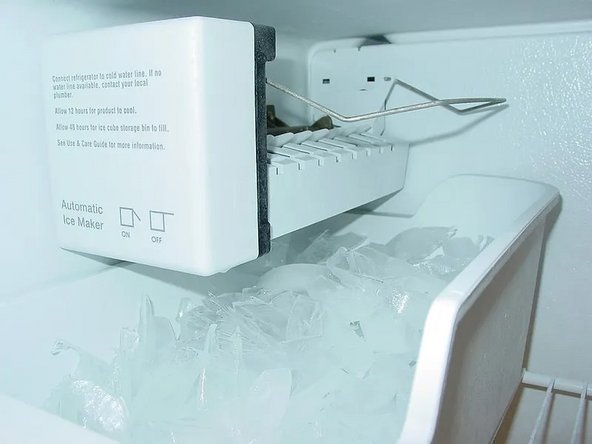
The system stops automatically when the ice bin is full. If you have a wire arm, the sensor is physical; the rising level of ice pushes the arm upward, which cuts the power to the mold. Digital models use an infrared sensor or a weight-based system to detect a full bin. If you see the ice level reaching the bottom of the ice maker unit, it has reached its capacity. The cubes should be clear, hard, and free of frost. If they’re cloudy or have a hollow center, your water pressure might be too low or the filter is exhausted.
Mistakes that ruin it
- Leaving the water line kinked: If the water can’t flow freely, the solenoid valve may overheat and fail prematurely. Always check the tubing behind the fridge for tight bends before pushing the appliance back into its space.
- Forgetting to discard the first batch: New tubing often contains manufacturing dust or plastic shavings that end up in your drink. Always throw away the first two full bins of ice to ensure the system is flushed clean.
- Overloading the freezer: Blocking the air vents inside the freezer prevents cold air from reaching the ice maker. Keep the area around the ice bin clear so the cooling fan can circulate air properly.
- Ignoring a leaking valve: A small drip at the water connection can cause ice buildup in the supply line. If you see water on the floor, shut off the supply valve immediately and call a professional to prevent cabinet damage.
How do I reset my ice maker?
You can usually reset the unit by pressing and holding the “Ice Off” or “Reset” button on the control panel for three seconds. On older models with a wire arm, simply lift the arm to the “off” position for 30 seconds and then lower it back down to restart the cycle.
Can I turn off the ice maker?
Yes, you can turn it off by lifting the wire arm until it clicks or by selecting the “Ice Off” setting on your digital display. This is recommended if you aren’t using ice regularly, as old ice can absorb food odors or develop a stale taste over time.
Why is my ice maker making loud noises?
Loud noises usually occur when the water valve is struggling to draw water or if the ejector motor is hitting ice that’s stuck in the mold. Check that your water pressure is sufficient and ensure there are no chunks of ice trapped in the harvest mechanism.
Is it safe to drink the water?
Yes, it’s safe as long as your home water supply is potable and you change the refrigerator water filter at the intervals suggested by the manufacturer. If you’re unsure about the quality of your water, contact your local utility provider to request a water quality report.
What happens if the power goes out?
The ice will begin to melt if the power is out for several hours, which can cause the cubes to fuse together into a solid block. Once power returns, the ice maker will resume its cycle, but you may need to break up the clumped ice in the bin manually.
How often should I clean the bin?
You should clean the ice bin every three to six months to prevent the growth of bacteria and the buildup of mineral deposits. Remove the bin, wash it with warm water and mild dish soap, rinse it thoroughly, and dry it completely before sliding it back into the freezer.
Final Thoughts
Keep an eye on the bin as you use your ice, as it’s helpful to shake the cubes occasionally to prevent them from clumping together. If you don’t plan on using the dispenser for a while, remember to turn the system off so you don’t end up with stale, old ice.