
Medium-roast coffee from South or Central America is generally considered the best type of coffee for cold brew because it provides a balanced, chocolatey flavor profile that stands up well to the long steeping process.
Choosing the best coffee for cold brew
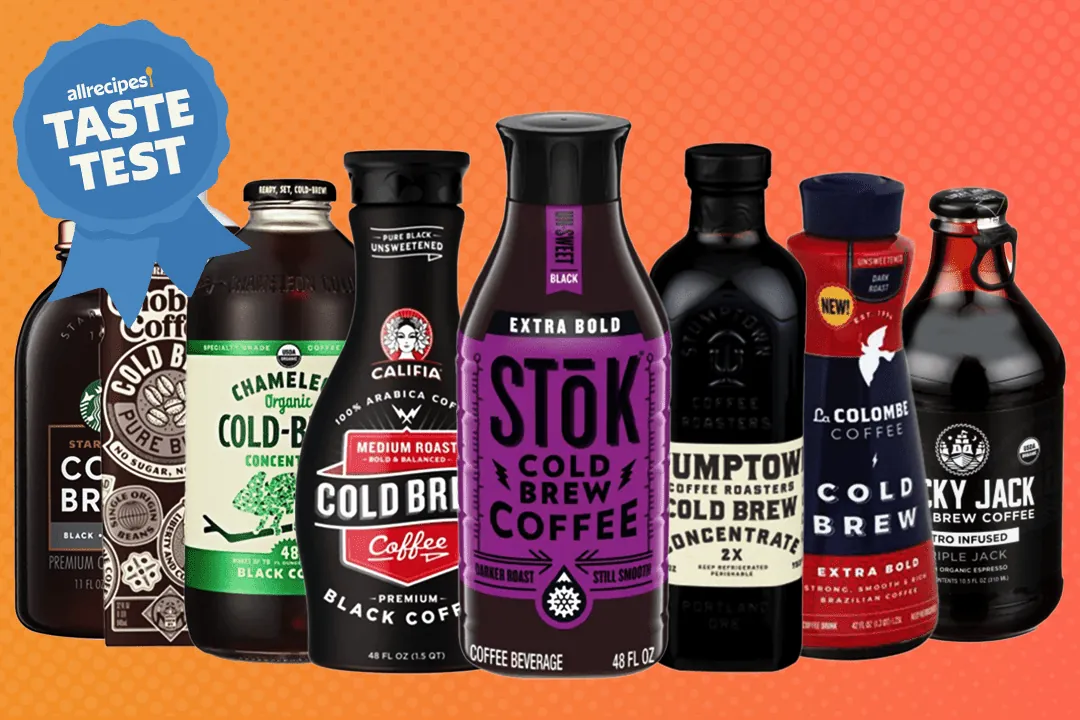
- Roast level: Choose a medium or medium-dark roast; light roasts often taste too acidic or sour when cold-steeped.
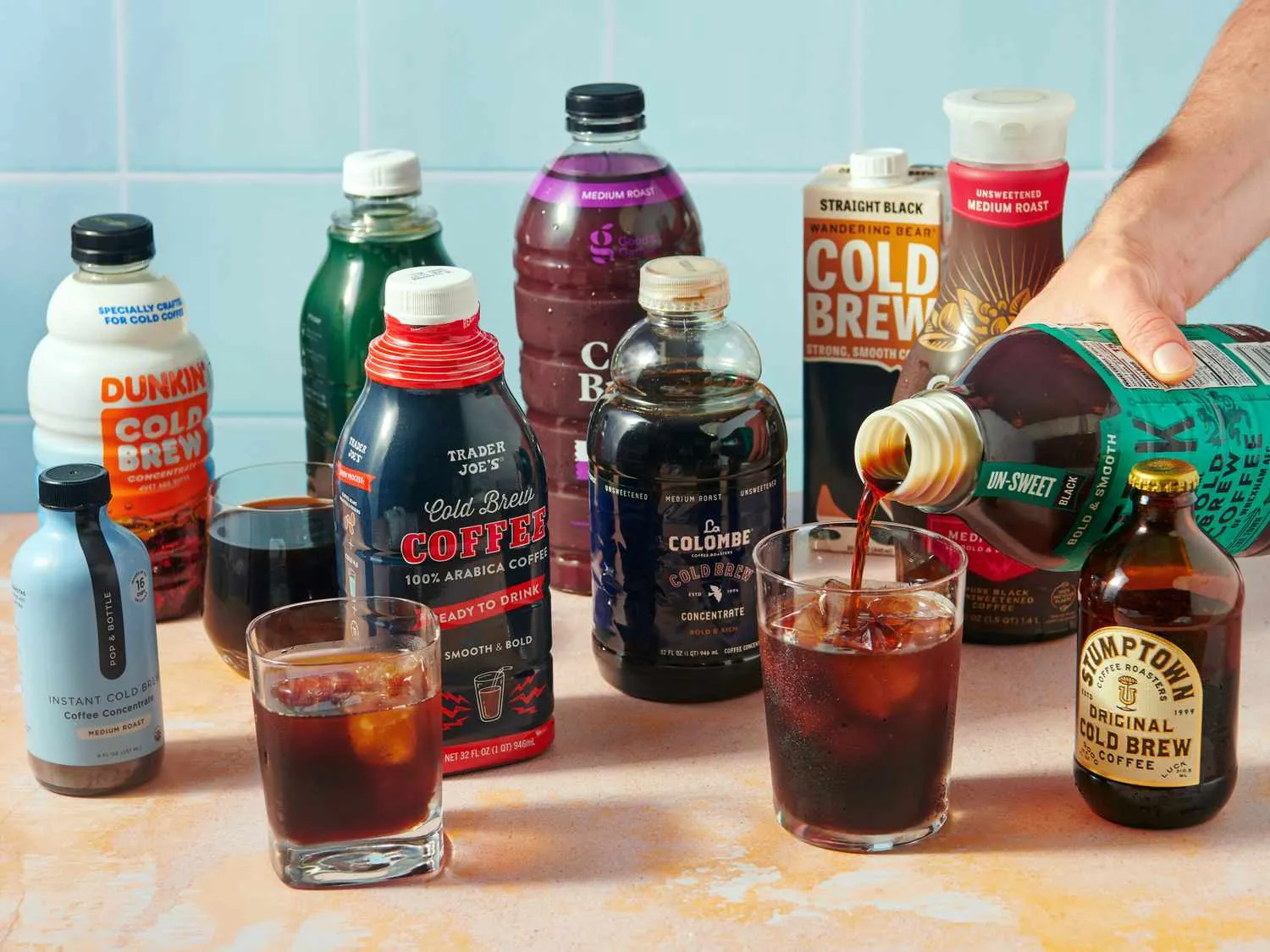
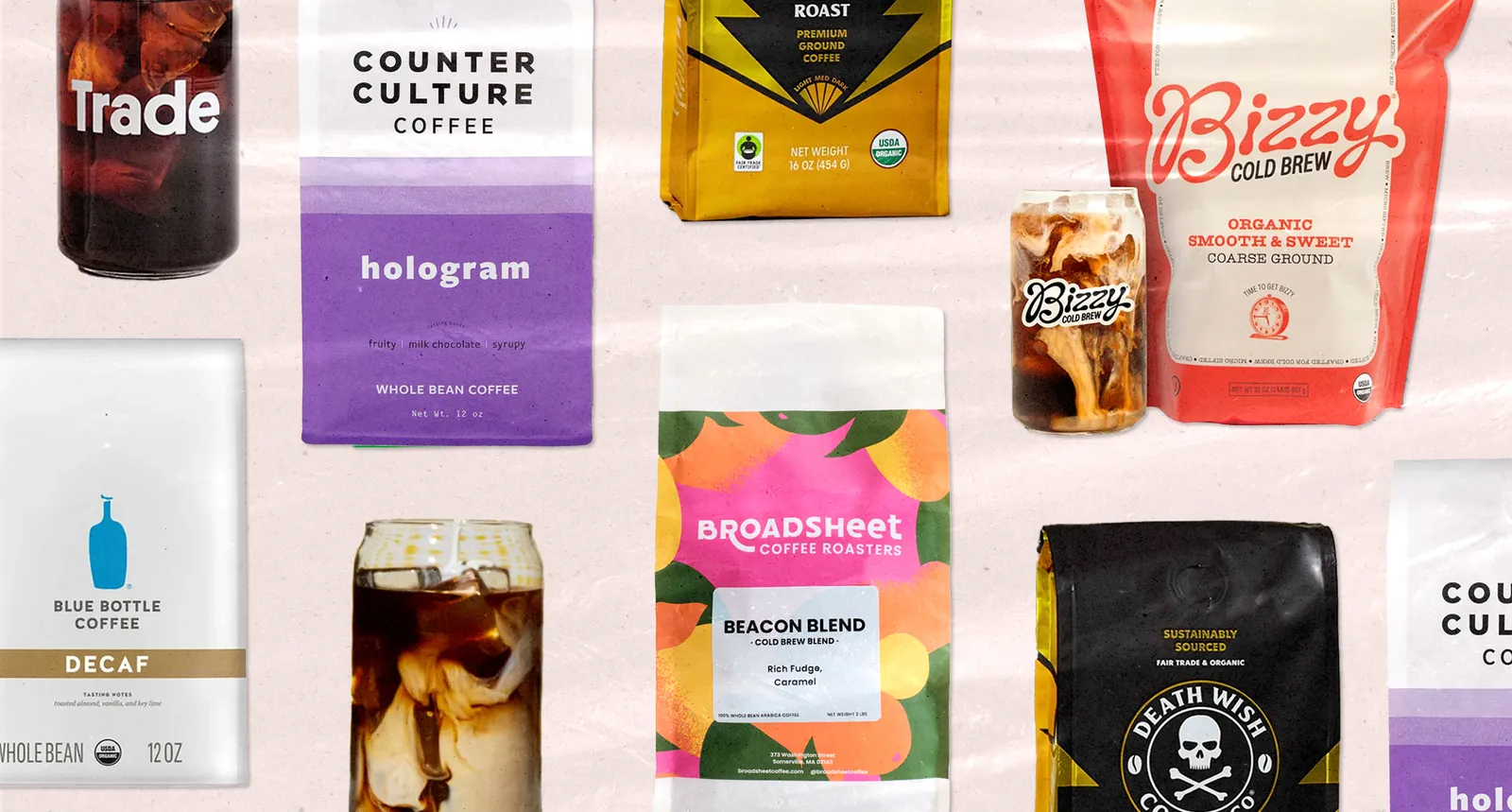
- Bean origin: Look for beans from Brazil, Colombia, or Guatemala for reliable notes of chocolate, nuts, and caramel.
- Grind size: Use a coarse grind, similar to sea salt, to prevent the coffee from becoming bitter or silty during the long extraction.
- Freshness: Use beans roasted within the last 2–4 weeks; older beans lose the aromatic oils that give cold brew its smooth finish.
- Water quality: Always use filtered water, as the high water-to-coffee ratio means any chlorine or mineral tastes in tap water will be magnified.
Why origin and roast matter for flavor
The chemistry of cold extraction differs significantly from hot brewing because the lack of heat prevents the rapid release of harsh acids and bitter compounds. By selecting medium-roast beans, you ensure the coffee retains enough body to avoid a watery mouthfeel while minimizing the sharp, acidic bite often found in light roasts. Beans from regions like Colombia are prized for their consistent, sweet profile, which translates well into a concentrate that’s mellow rather than abrasive.
Because cold water extracts flavor slowly, the specific chemical components of the bean are crucial for a balanced cup. According to the National Coffee Association, consistent grind size and quality water are essential for achieving the desired extraction level without over-processing the grounds. If your brew tastes thin, you likely used too coarse a grind or too little coffee; if it tastes bitter, you likely let it steep for too long.
Adjusting for different taste preferences
| Situation | What changes | What to do instead |
|---|---|---|
| Want more body | Use dark roast | Increase steeping time |
| Prefer floral notes | Use light roast | Reduce steeping time |
| Want less bitterness | Use coarse grind | Filter through paper |
| Brewing for milk | Use dark roast | Increase coffee ratio |
| Need quick brew | Use fine grind | Decrease steeping time |
How to prepare your cold brew
- Measure 1 cup of coarsely ground coffee for every 4 cups of cold, filtered water in a large glass jar.
- Stir the grounds gently until they’re fully saturated, making sure no dry clumps remain at the top of the jar.
- Cover the container tightly to prevent the coffee from absorbing odors from other items stored in your refrigerator or pantry.
- Steep the mixture at room temperature or in the fridge for 12–18 hours; if you prefer a stronger taste, aim for 20 hours.
- Strain the liquid through a fine-mesh sieve or a cheesecloth to remove the large grounds, then follow with a paper filter for clarity.
- Pour the resulting concentrate into a clean, airtight bottle and store it in the refrigerator for up to 10 days for peak freshness.
Mistakes that ruin your cold brew
- Grinding too fine: Using a drip or espresso grind creates a muddy, over-extracted mess that’s nearly impossible to strain properly.
- Leaving it out too long: Steeping for more than 24 hours often results in a woody, unpleasant taste as the beans release tannins.
- Using tap water: High levels of chlorine or impurities in municipal water will ruin the delicate flavors of your chosen coffee beans.
- Ignoring the ratio: Using too little coffee makes the concentrate weak, and there’s no way to fix a watered-down batch once it has finished steeping.
Frequently asked questions
Can I use pre-ground coffee?
Yes, you can use pre-ground coffee if it’s labeled as a coarse or “French press” grind. If you use standard drip-grind coffee, you must reduce the steeping time to 8–10 hours to avoid extreme bitterness.
Is it safe to leave coffee out on the counter?
It’s safe to steep coffee at room temperature for up to 24 hours, provided the container is kept in a clean, shaded area away from heat sources. Always move the concentrate to the refrigerator after straining.
How long does cold brew stay fresh?
Cold brew concentrate stays fresh for up to 10 days when stored in an airtight glass container in the refrigerator. If you notice a sour smell or a change in color, discard the batch immediately.
What happens if I use light roast coffee?
Using a light roast often results in a sour or overly acidic cup because the cold water doesn’t extract the sugars needed to balance the natural fruitiness of the bean. If you must use light roast, shorten the time.
Does the water temperature matter?
The water temperature determines the speed of extraction, so cold water is the standard for a smooth, low-acid result. Using lukewarm water will speed up the process but may cause the coffee to turn bitter faster.
How much coffee do I need for a gallon?
You need approximately 1 pound of coffee to produce one gallon of cold brew concentrate. Adjust this amount based on your preferred strength, as the density of different bean varieties can change the final volume.
Does it matter if I use a glass or plastic jar?
Glass is the best material because it doesn’t absorb odors or oils from the coffee over time. If you use plastic, ensure it’s food-grade and free of scratches, which can trap bacteria and old coffee oils.
Enjoy your cold brew by diluting it with equal parts water or milk. If you find the flavor is too intense, add more water until you reach your preferred strength.
Conclusion
Experimenting with different origins is the best way to find your perfect cup. Try picking up a bag of beans from Ethiopia or Sumatra next time you shop to see how those brighter or earthier notes change the final result. You’ll surely discover a unique flavor you’re going to love.
Related guides
Pingback: 10 Best Coffee for Cold Brew Picks for Every Brewing Method
Pingback: What Type of Coffee Is Best for Cold Brew