The best location for a coffee shop is a high-traffic area with a steady flow of morning commuters and nearby office workers. You need a spot where visibility is high and customers can easily stop for a quick drink without searching for parking.
Success depends on foot traffic patterns rather than just raw population numbers. A common mistake is signing a long-term lease in a “charming” area that lacks enough daily workers or pedestrians to support the high volume of sales needed to cover overhead costs.
Choosing the Right Coffee Shop Location
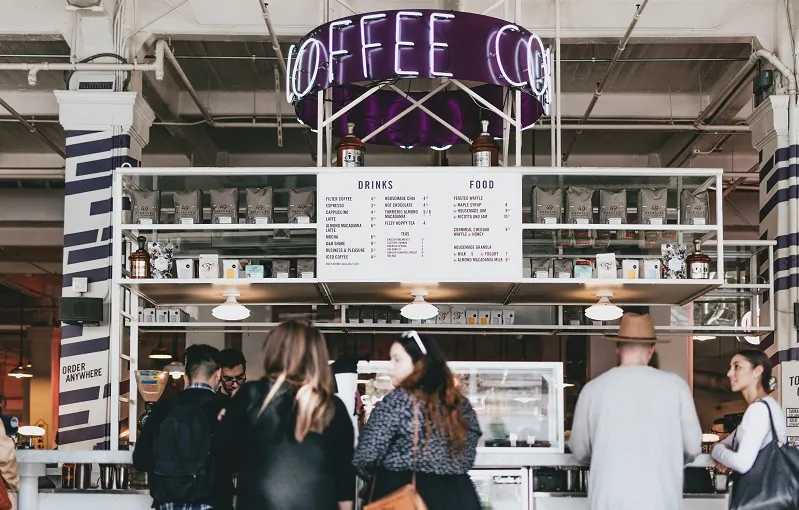
- Observe the site at different times of the day for at least one full week to count how many people actually walk past the front door.
- Verify that the local zoning laws allow for food and drink service, as many commercial zones have strict limits on waste disposal and grease traps.
- Check the nearby competition to see if they’re busy, as a cluster of coffee shops can sometimes create a destination effect that brings in more total customers.
- Confirm the lease terms include enough space for your equipment, including the espresso machine, grinders, and a three-compartment sink for sanitation.
- Measure the distance to the nearest public transit station, as research shows that proximity to transit hubs significantly influences consumer retail spending patterns.
Tip: If the building requires major plumbing upgrades to meet health codes, the cost could exceed your startup budget; always get a licensed contractor to inspect the pipes before you sign.
Comparing Foot Traffic Locations
| Location Type | Best Customer Base | Peak Time | Potential Risk |
|---|---|---|---|
| Train Station | Daily commuters | 6:00 AM – 9:00 AM | Low weekend traffic |
| Office Lobby | Local employees | 8:00 AM – 10:30 AM | Closed on holidays |
| Retail District | Weekend shoppers | 11:00 AM – 3:00 PM | High rent costs |
| College Campus | Students/Faculty | Mid-morning/Evening | Low summer revenue |
If the shop is located in a quiet area, you must budget more for marketing and delivery services to pull customers in.
Signs of a Perfect Spot
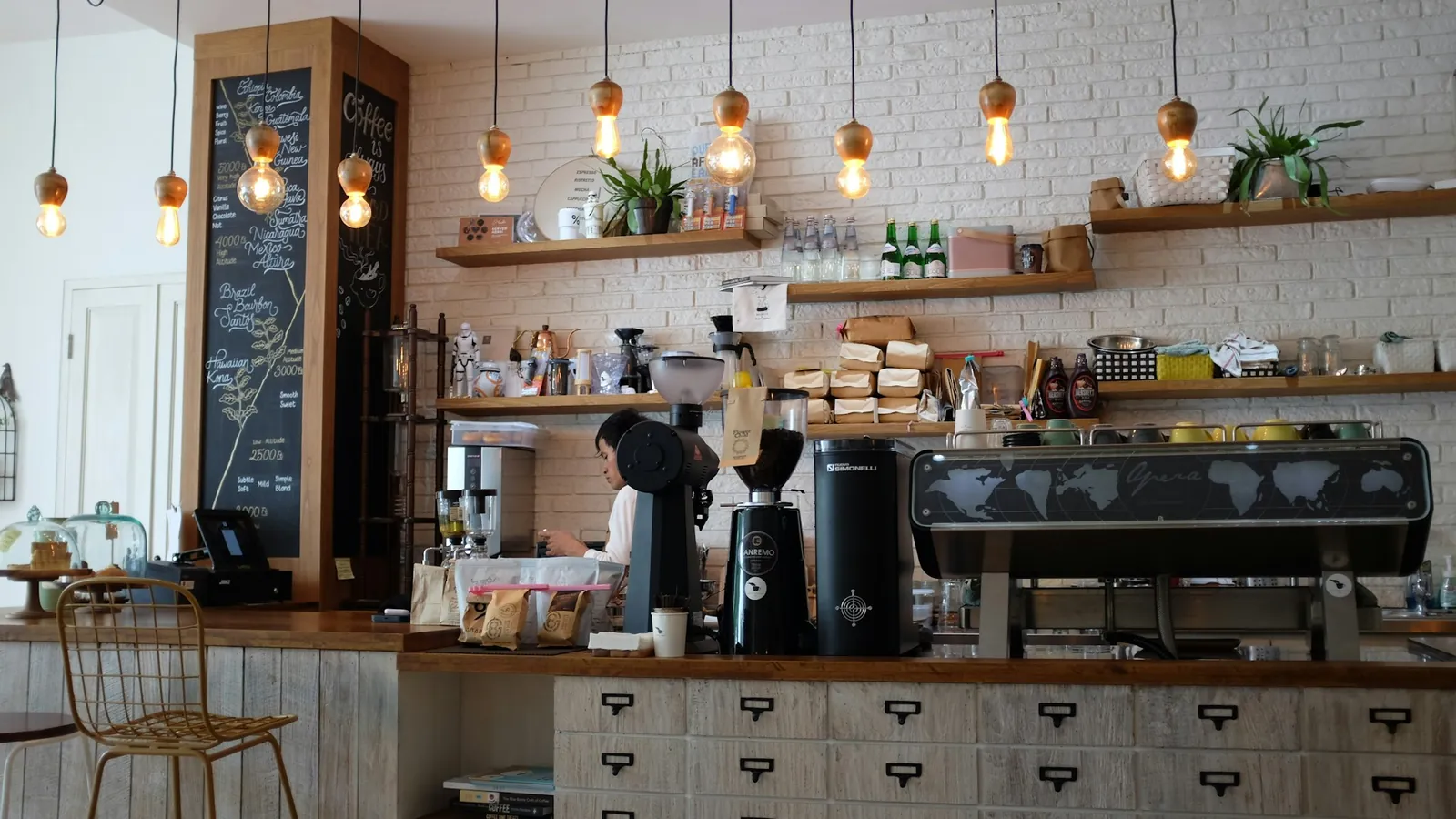
You should look for high visibility from the street and a clear line of sight for drivers. A good location has a natural “flow” where people already walk, meaning you don’t have to train them to change their daily path. The most important sign is the presence of other thriving businesses nearby, which indicates that the area is an active economic zone. If you see many empty storefronts on a block, it’s usually a sign that the foot traffic is too low to sustain a small business.
Mistakes That Cost You Money
- Ignoring the sun’s position: A shop facing the afternoon sun can become uncomfortably hot, which drives customers away in the summer; use heavy shades or window tinting to manage the interior heat.
- Overlooking delivery access: If your suppliers can’t park to unload pallets of milk and coffee beans, your logistics costs will rise; always ensure there’s a clear loading zone or rear alley access.
- Assuming high foot traffic equals high sales: Many people walk past a shop without stopping because the entrance is hard to find or the branding is unclear; make your signage readable from 50 feet away to capture interest.
Frequently asked questions

How much should I pay for rent?
You should aim to keep your total rent costs at or below 15% of your projected monthly gross revenue. If the rent is higher than this, you’ll struggle to pay for staff, ingredients, and utilities while keeping your drink prices competitive.
Is it better to be near a big chain?
Yes, being near a large chain can be beneficial because they have already spent money on marketing to bring people to that specific area. You can capture the overflow customers who don’t want to wait in the long lines at the larger brand.
How do I check local zoning laws?
You can find the zoning rules by visiting your city or county government website and searching for the “zoning map” or “planning department” portal. Contact the city planner directly to confirm your specific address allows for a coffee shop before paying any deposits.
What is the ideal square footage?
The ideal size for a standard coffee shop is 600 to 1,200 square feet, which provides enough room for a service counter and a small seating area. Anything smaller makes it hard to manage a line, while anything larger increases your utility bills significantly.
Does a drive-thru help sales?
A drive-thru can increase your sales by 30% to 50% if you serve morning commuters who are in a rush. However, the space required for a car queue is much larger and often comes with higher rent and stricter local traffic permits.
How long does it take to get a permit?
The permitting process typically takes 3 to 6 months depending on the local health department and building inspectors. Always add a buffer of two extra months to your timeline to account for unexpected delays in paperwork or necessary facility inspections.
Conclusion
Choosing a location that matches your target customer’s daily routine is the most reliable way to ensure you have a steady stream of people walking through your door every morning. Keep your focus on the walkability and visibility of the street, and always verify your legal requirements with the city before you commit to a long-term lease.
Related guides