
If you are wondering what is an ice maker, it is an automated appliance or component that freezes water into cubes and stores them. These machines connect to a water supply, fill a mold, cool the water until solid, and release the ice for your drinks.
What is an ice maker and how it works
Most modern units use an internal thermostat to detect when the ice bin is full. Once the bin reaches capacity, a mechanical arm or infrared sensor stops the production cycle. If you’re using a portable unit, you must add water manually to a reservoir, while built-in models rely on a continuous pressurized line. A common mistake is failing to level the machine; if the unit sits at an angle, the internal molds won’t fill evenly, which causes the machine to jam or produce thin, brittle ice.
Operating the automated system
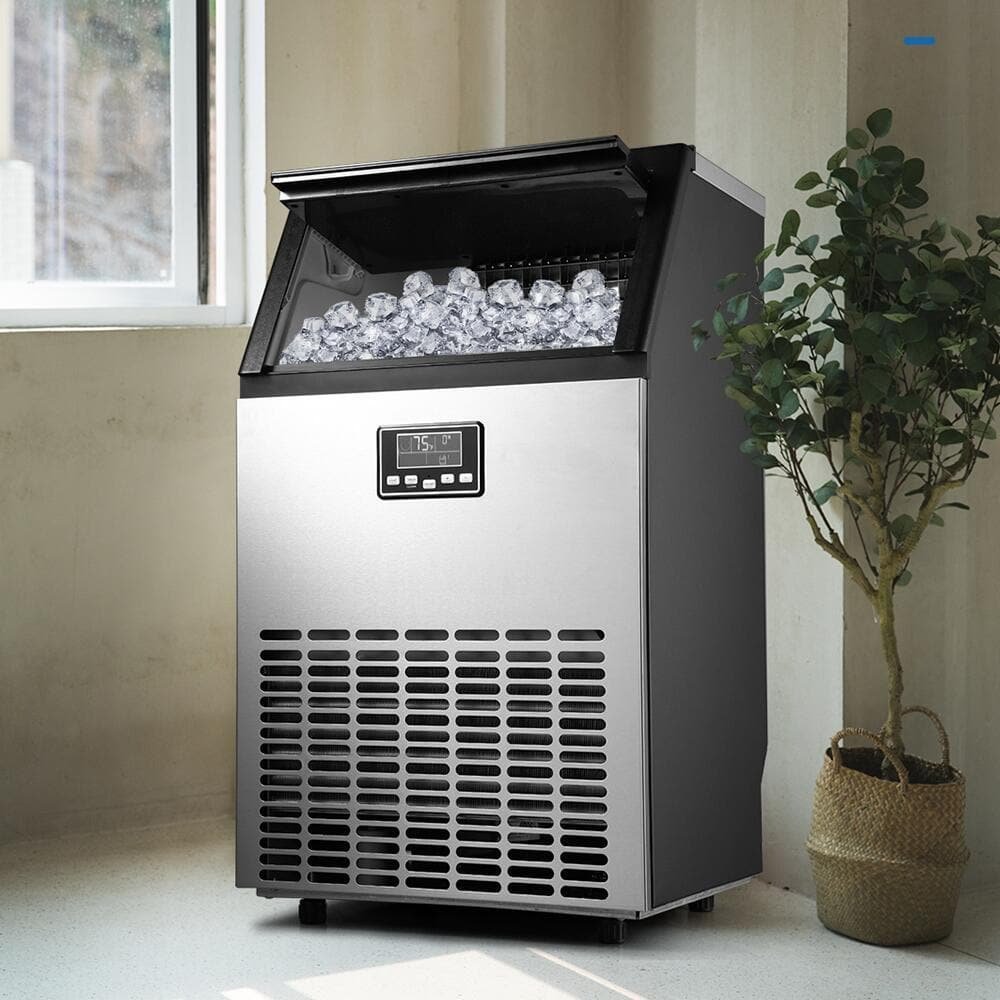
- Connect the water supply line to your cold water valve using a 1/4-inch copper or plastic tubing kit.
- Turn on the water supply and check for leaks at the connection point for at least 15 minutes.
- Plug the unit into a grounded outlet and set the switch to the “on” position.
- Wait for the initial cycle to complete, which typically takes 60 to 90 minutes depending on the ambient air temperature.
- Discard the first two batches of ice to ensure the lines are flushed of any manufacturing dust or stagnant water.
- Regular cleaning is necessary to prevent the buildup of minerals and bacteria, as outlined in NSF International’s food safety standards.
Tip: If you live in an area with hard water, install an inline filter to prevent scale buildup in the valves.
Tip: Don’t use the first batch of ice, as it often contains debris from the new supply lines.
How long it takes
The time required to produce a full bin of ice varies based on the machine’s cooling power and the surrounding environment.
If your machine takes more than 24 hours to fill a small bin, the condenser coils are likely blocked by dust and require cleaning.
How to tell when it’s done
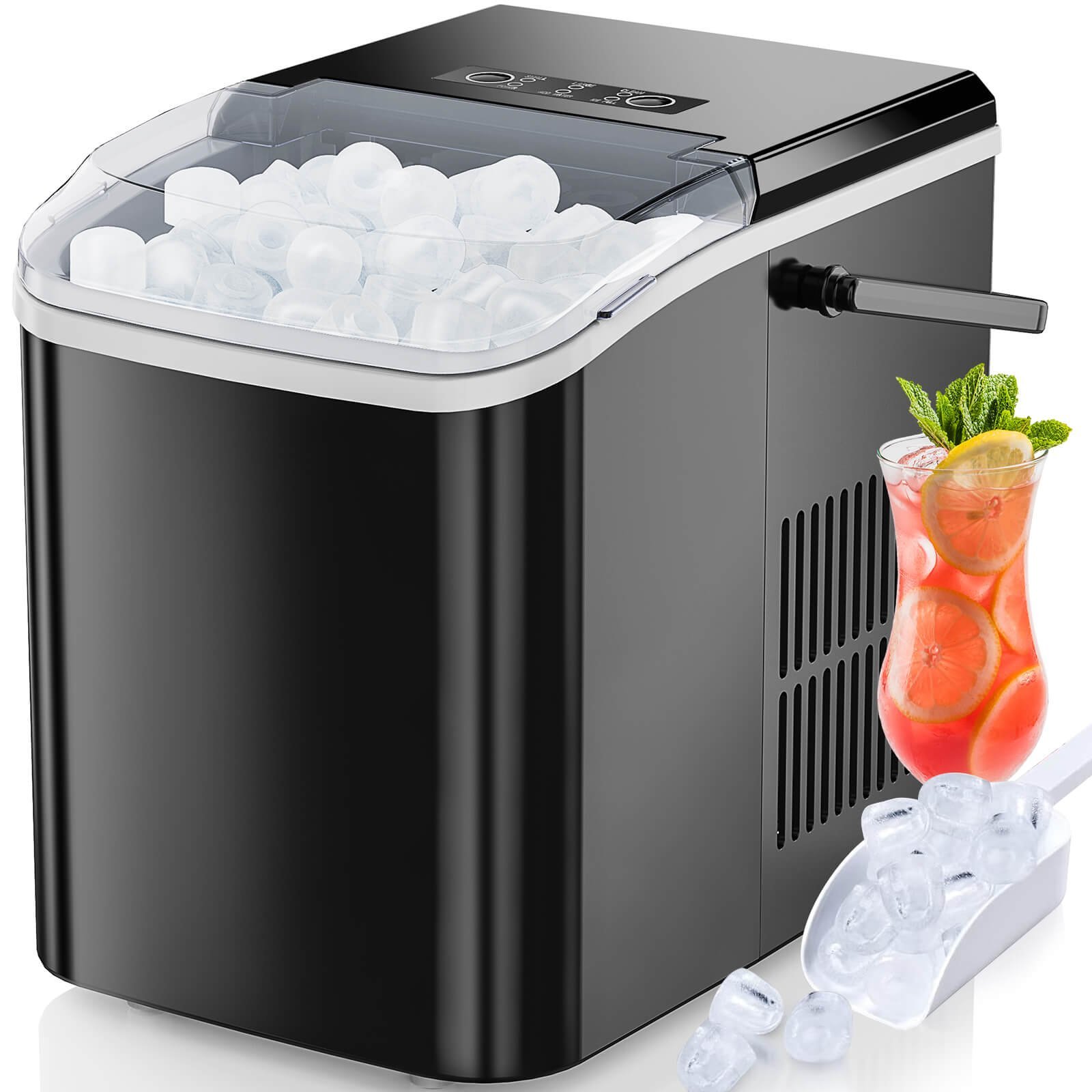
You can tell the machine is finished when the cycle noise stops and the bin is physically full. Most units include a wire shut-off arm that lifts up when the bin is full, or an infrared beam that detects the ice level. If the machine is still running but the bin is empty, check the water pressure. A simple test is to manually trigger the harvest cycle; if the mold moves but no water enters, your inlet valve is blocked. This is a common limit for DIY repairs; if the valve is faulty, you need a professional technician to avoid damaging the electrical components or voiding your warranty.
Mistakes that ruin it
- Ignoring the water filter: Failing to change the filter regularly leads to mineral buildup that ruins the taste and slows down production. Use a calendar alert to track your replacement dates.
- Overloading the ice bin: Stuffing items around the ice maker prevents the shut-off sensor from working, which causes the bin to overflow and freeze into a solid block. Keep the area around the sensor clear at all times.
- Placement in hot areas: Installing a unit near a stove or in direct sunlight forces the compressor to work twice as hard, which drastically reduces its lifespan. Move the unit to a cooler, ventilated space to ensure efficiency.
- Using softened water: Softened water can contain high salt levels that corrode internal brass fittings, leading to leaks. Use a standard cold water line without a softener whenever possible.
Frequently asked questions
Can I leave an ice maker on all the time?
Yes, you should leave it on, as the sensors are designed to stop production automatically when the bin is full. The machine will only restart the freezing process once you remove enough ice to trigger the sensor again.
Why is my ice maker making loud noises?
Most loud noises come from the water inlet valve or the ejector motor struggling to move ice. Check that your unit is perfectly level, as a tilted machine puts extra strain on the internal mechanical parts during the harvest cycle.
How long does an ice maker last?
Most residential ice makers last for many years with regular maintenance. This varies by model — check the label for the manufacturer’s expected lifespan and follow the cleaning schedule provided in your manual.
Is it safe to use ice from a new machine?
Yes, it’s safe, provided you discard the first two batches of ice to flush the lines. This clears out any residual plastic, dust, or factory cleaning agents that might be present in the new tubing.
What happens if I lose power?
If you lose power, the ice currently in the bin will melt and may leak water into the freezer compartment or onto the floor. Once power returns, the unit will resume its normal cycle, but you should check the bin for any clumps that formed during the thaw.
How often should I clean the bin?
You should deep clean the bin every three to six months to prevent mold and bacteria buildup. Use a mild soap solution and rinse it thoroughly with clean water before drying it completely to prevent the next batch of ice from sticking.
Final Thoughts
Whether you’re hosting a summer party or just enjoying a quiet evening at home, having a steady supply of fresh ice makes life much easier. If you’re thinking about adding one to your kitchen, check your home’s water line compatibility today. You’ll definitely appreciate the convenience once it’s finally installed.
Pingback: Where Can I Buy a Ice Maker: Best Retailers and Options
Pingback: Repair or Replace Your Under Counter Ice Maker Canada Guide
Pingback: What Is a Ice Machine: How These Cooling Appliances Work