
A medium-to-dark roast with a coarse grind is generally considered the best coffee for cold brew, as it produces a smooth, chocolatey flavor profile. If you prefer bright or fruity notes, a light roast works well.
Choosing the best coffee for cold brew
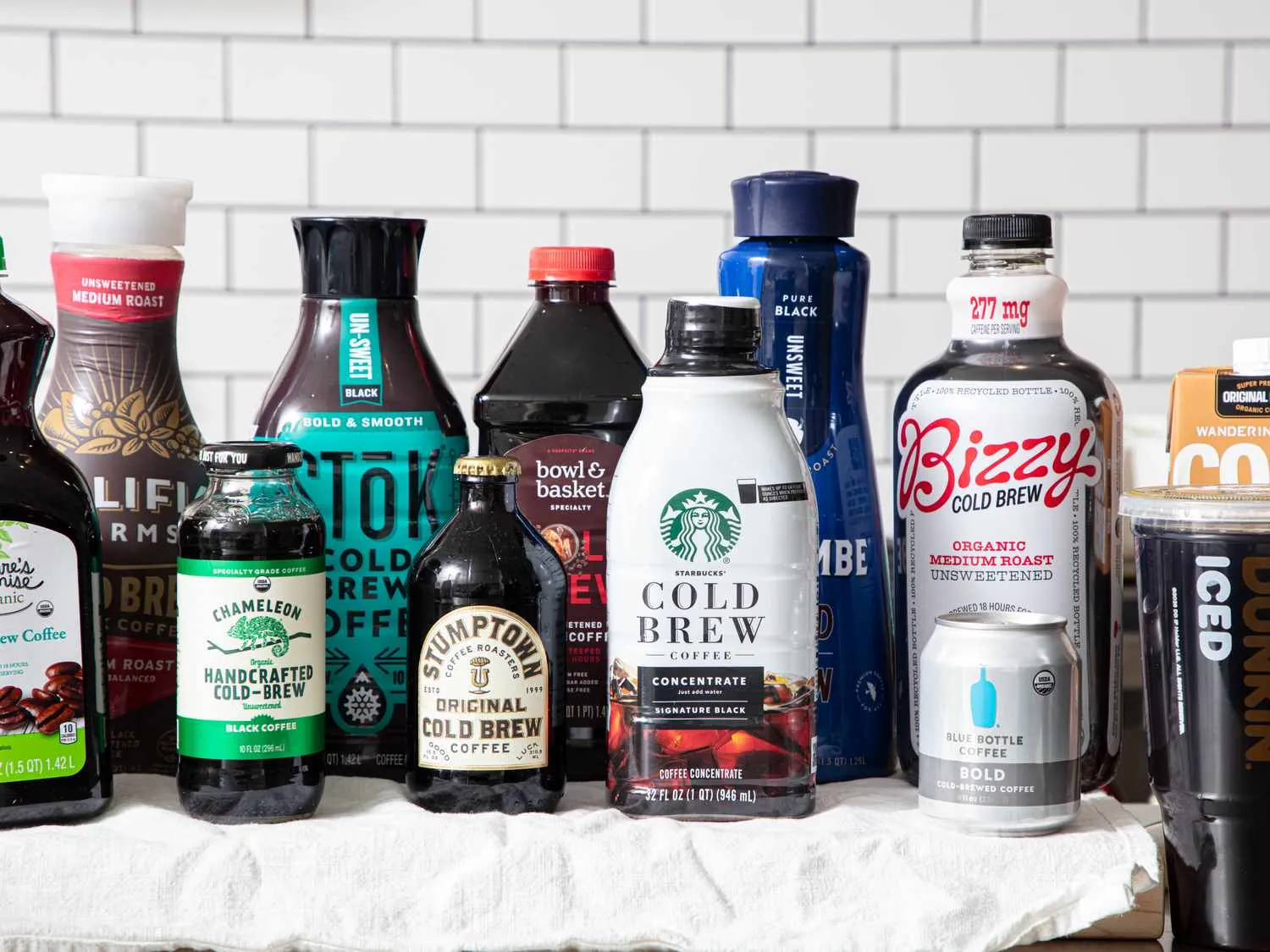
Selecting the right beans determines the strength and sweetness of your final cup.
- Roast Level: Choose medium or dark roasts to avoid harsh acidity and highlight sweet, nutty, or chocolatey notes.
- Grind Size: Use a coarse grind, similar to sea salt, to prevent the coffee from becoming bitter during the long 12-to-24-hour steeping process.
- Freshness: Use beans roasted within the last 2 to 4 weeks for the best flavor, as older beans lose their natural oils and aromatics.
- Bean Origin: Select beans from Brazil or Colombia for a classic, smooth taste, or Ethiopian beans if you want a lighter, tea-like finish.
- Water Quality: Use filtered water because your brew is 98% water; chlorine or minerals in tap water will ruin the delicate flavor of your coffee.
Why bean choice and grind matter
Cold extraction uses time instead of heat to pull solids from grounds. Cold water extracts deep oils and sugars while leaving behind volatile, sour-tasting acids.
A fine grind causes over-extraction, resulting in bitter sludge. A coarse grind prevents excessive tannins.
Adjusting for your preferences
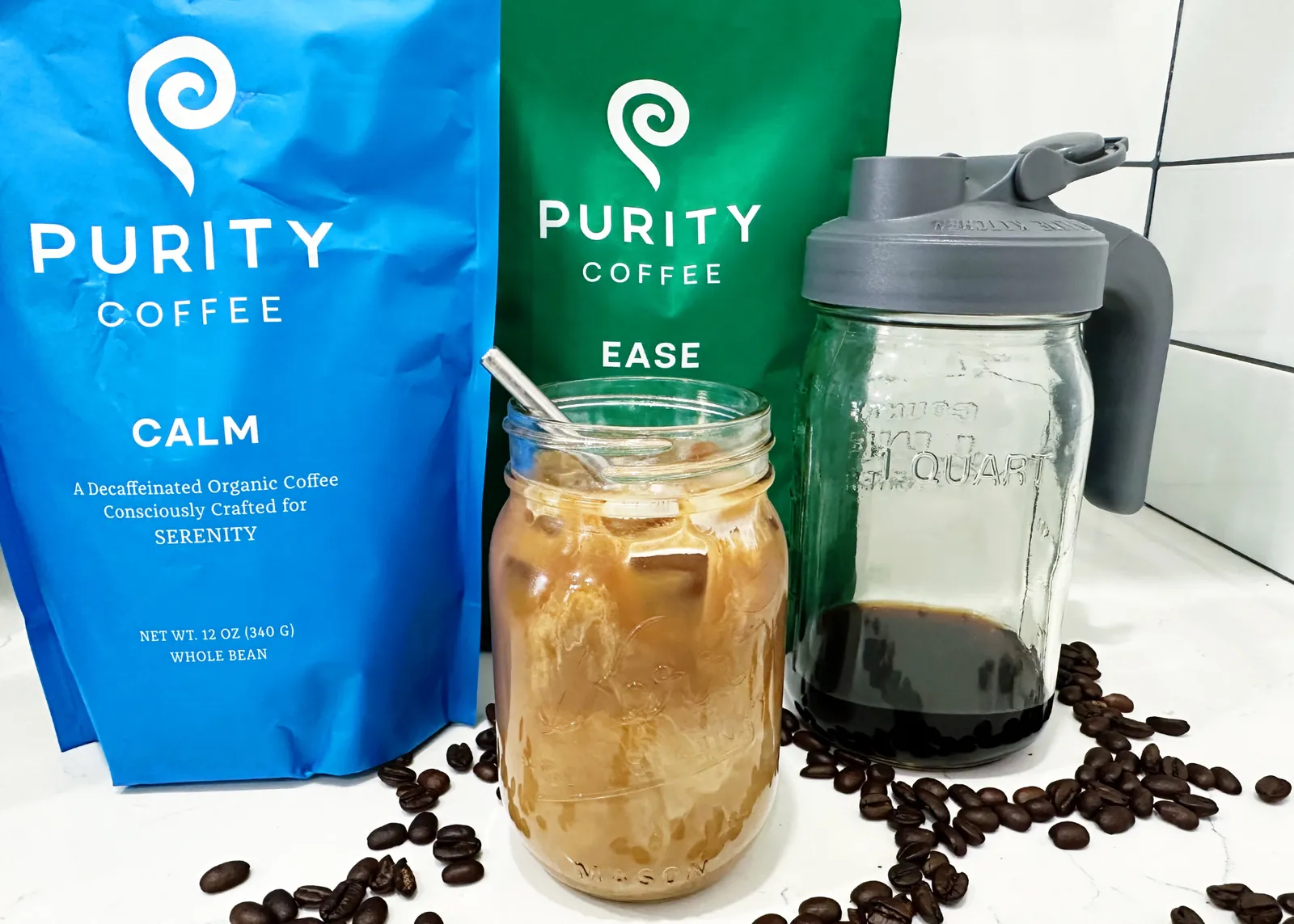
Not every bean works for every person, and you might need to adjust your approach based on your taste or the equipment you own.
| Situation | What changes | What to do instead |
|---|---|---|
| Wanting less caffeine | Bean type | Use a decaf dark roast |
| Using a French press | Extraction time | Reduce steeping to 12 hours |
| Preferring bright flavors | Roast level | Choose a light African roast |
| Wanting a stronger cup | Coffee ratio | Use a 1:4 coffee-to-water ratio |
| Using very hard water | Water source | Use bottled spring water |
Steps for a perfect cold brew
- Measure 1 cup of coarsely ground coffee beans for every 4 cups of filtered water to start your base.
- Combine the grounds and cold, room-temperature water in a large glass jar or a dedicated cold brew pitcher.
- Stir the mixture gently with a long spoon until all grounds are fully wet, ensuring no dry clumps remain.
- Cover the container and let it steep on your counter or in the fridge for 12 to 24 hours.
- Strain the liquid through a fine-mesh sieve lined with a paper filter to remove all fine particles and sediment.
- Store the resulting concentrate in a sealed glass bottle in the refrigerator; it stays fresh for up to 7 days.
- Serve by diluting your concentrate with equal parts water, milk, or ice, depending on how strong you like your coffee.
Common mistakes that ruin flavor
- Using pre-ground coffee: This loses its flavor within minutes of grinding, so always grind your beans immediately before adding the water.
- Steeping for too long: Leaving the grounds in the water beyond 24 hours creates an unpleasant, woody, or astringent taste.
- Not filtering properly: Leaving sediment in your concentrate results in a “silt” at the bottom of the glass that ruins the mouthfeel.
- Using hot water: This isn’t cold brew; heat changes the chemical extraction process and creates a different, often more acidic flavor profile.
Frequently asked questions
Can I use light roast for cold brew?
You can use light roast, but it will result in a much more acidic and tea-like flavor compared to darker roasts. If you choose this, expect a thinner body and more floral or citrus notes in the final cup.
How long does cold brew last in the fridge?
Cold brew concentrate lasts for 7 days when stored in an airtight glass container in the refrigerator. After this time, the flavor will begin to degrade, and the risk of spoilage increases, so discard any unused portion.
Is it safe to leave cold brew on the counter?
It’s safe to steep cold brew on the counter for up to 24 hours at room temperature. Once the steeping process is finished and you have filtered the grounds, you must move the liquid to the refrigerator for storage.
Does it matter if I use tap water?
It matters because the taste of your water becomes the taste of your coffee. If your tap water has a strong chlorine smell or high mineral content, it will mask the subtle flavors of your beans, so use filtered water.
What happens if I use a fine grind?
Using a fine grind leads to an over-extracted, bitter, and muddy concentrate that’s nearly impossible to strain properly. You’ll end up with a gritty texture and a harsh taste that lacks the smoothness of a proper cold brew.
How much coffee do I need for a large batch?
You need 1 part coffee to 4 parts water by weight for a standard concentrate. If you want to make a larger batch, simply multiply these amounts while keeping the ratio consistent to maintain the same flavor strength.
Does cold brew have more caffeine?
Cold brew generally has more caffeine than hot coffee because the ratio of coffee to water is higher. Since you’re creating a concentrate, the final amount of caffeine depends on how much you dilute the liquid before drinking.
Conclusion
To get the best result, always use a scale to measure your beans and water. If you want a lighter, more refreshing drink, try a 1:6 ratio, but if you want something bold enough to stand up to heavy cream, stick to the 1:4 ratio.
Related guides
Pingback: 10 Best Coffee for a Cold: Top Picks for Smooth Flavor
Pingback: 10 Best Light Roast Coffee for Pour Over: Expert Picks