
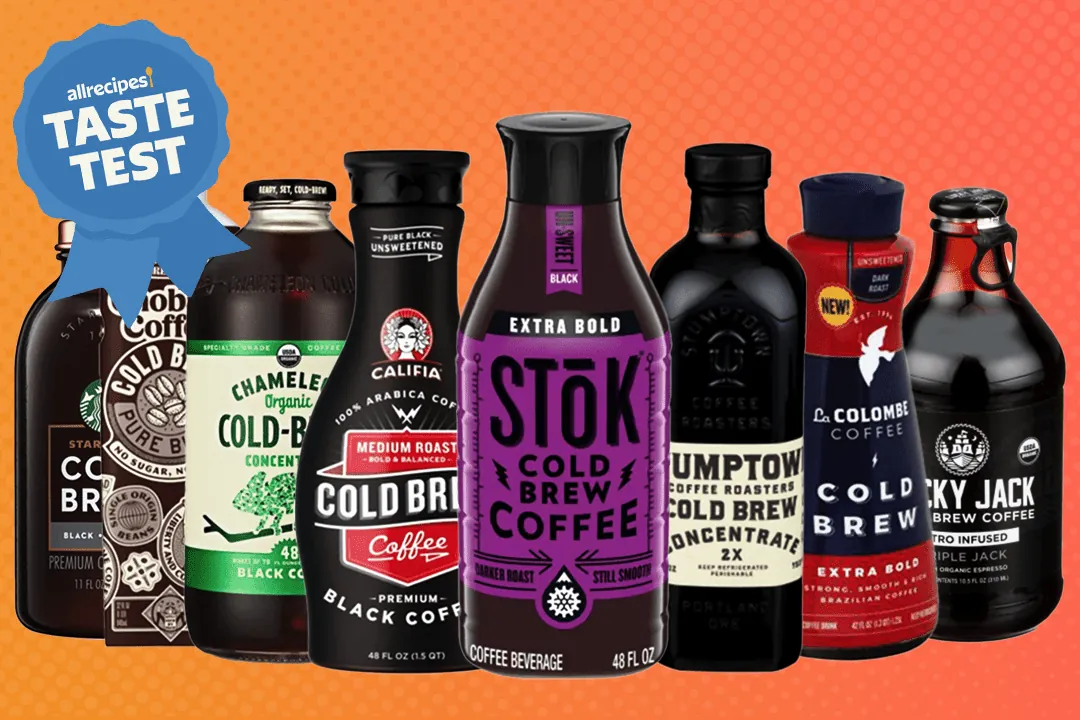
A medium-to-dark roast coffee with a coarse grind is the best choice because it produces a smooth, low-acid flavor profile that excels in cold extraction. You should focus on beans with chocolate or nutty notes to get the most balanced results.
The key to a great cold brew is the ratio of coffee to water, which usually starts at 1:4 or 1:5 by weight. If you use too much coffee, the result will be bitter and syrupy; if you use too little, it will taste weak and watery. Always use filtered water to ensure no tap water impurities change the final taste.
Brewing steps for the best cup
- Weigh out 200 grams of whole-bean coffee and grind it to a coarse texture, similar to sea salt.
- Place the grounds into a clean glass jar or a dedicated cold brew maker.
- Pour 1,000 grams (1 liter) of filtered, room-temperature water over the coffee grounds.
- Stir the mixture gently with a wooden spoon for 30 seconds to ensure all grounds are fully saturated.
- Cover the container and let it steep at room temperature or in the fridge for 12 to 24 hours.
- Strain the mixture through a fine-mesh sieve followed by a paper coffee filter to remove all fine particles.
Tip: If you use a metal filter alone, you’ll likely get a “silty” texture in your cup; always use a paper filter for a clean finish.
Tip:
Time needed for extraction
The time required varies based on your preferred intensity and the environment where you store the brew. This assumes a standard 1:5 ratio; if you use a higher coffee-to-water ratio, you may need to reduce the time by 2-3 hours to avoid over-extraction.
| Environment | Steep Time | What changes it | What to watch for |
|---|---|---|---|
| Room Temp | 12 hours | Ambient heat | Bitter notes |
| Fridge | 20 hours | Cold slows rate | Weak body |
| Countertop | 16 hours | Ambient temperature | Sourness |
If the coffee tastes too strong after the minimum time, dilute your concentrate with more water rather than brewing for a shorter period.
Choosing the best coffee for cold brew
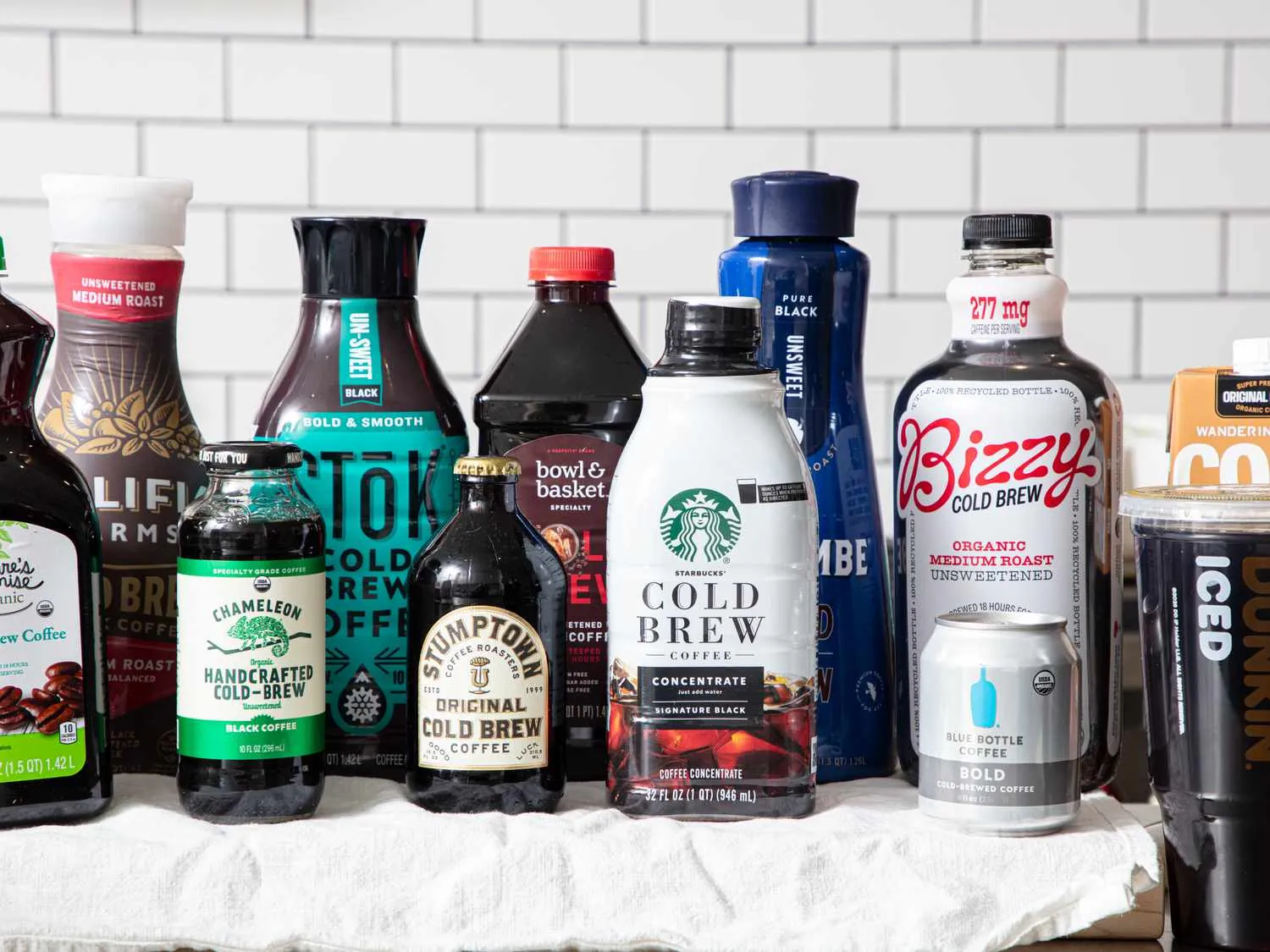
You can tell the coffee is ready by looking for a deep, dark color and smelling for a rich, low-acid aroma. The most reliable test is a small taste: the brew should feel smooth on the tongue without a sharp, acidic bite. If the liquid looks thin or tastes like plain water, it needs more time. If it tastes harsh or leaves a dry, puckering sensation in your mouth, you have likely over-extracted the beans.
Mistakes that destroy your brew
- Using a fine grind: This makes the coffee impossible to filter and creates a muddy, overly bitter cup that ruins the texture. Use a coarse setting on your grinder to ensure the water flows through the grounds properly during the long steep.
- Leaving the grounds in the liquid: If you don’t strain the coffee after 24 hours, the grounds will continue to release tannins that turn the brew sour. Always remove the grounds as soon as your target time is reached.
- Using boiling water: Starting with hot water extracts acids too quickly, which defeats the purpose of the slow, cold-brew process. Use cool or room-temperature water to keep the flavor profile mellow and sweet.
Frequently asked questions
Can I use light roast for cold brew?
Yes, you can use a light roast, but it will often taste more acidic and tea-like than a darker roast. If you prefer a brighter, fruitier flavor, a light roast works well, but you may need to steep it for an extra 2 hours to get enough body.
Is it safe to leave coffee on the counter?
Yes, it’s safe to leave your brew on the counter for up to 24 hours as long as the container is covered. Once you strain the grounds, you must move the liquid into the refrigerator to keep it fresh and prevent spoilage.
Why is my cold brew bitter?
Your cold brew is likely bitter because you used a grind that was too fine or you left the grounds in the water for too long. If the bitter taste persists, try a slightly coarser grind or reduce your total steep time by 2 hours.
How long does cold brew last in the fridge?
Cold brew concentrate stays fresh for up to 7 days when kept in a sealed glass container in the refrigerator. After the first week, the flavor profile begins to degrade, and the coffee may start to taste flat or develop off-flavors.
Does cold brew have more caffeine?
Yes, cold brew usually has more caffeine than hot coffee because the high coffee-to-water ratio creates a very strong concentrate. If you’re sensitive to caffeine, serve your concentrate with a larger amount of milk or water to dilute the total strength.
What happens if I use tap water?
Using unfiltered tap water can introduce chlorine or mineral tastes that clash with the delicate notes of the coffee beans. Always use filtered water to ensure the final drink tastes clean and highlights the natural characteristics of the coffee you selected.
Conclusion
The best way to enjoy your final result is to serve it over ice with a splash of milk or cream, which helps soften any remaining intensity. Adjust your water-to-coffee ratio next time if you find the strength isn’t to your personal liking.
Pingback: 10 Best Coffee Beans for Light Beer: Top Expert Picks
Pingback: 10 Best Kind of Coffee for Cold Brew: Our Expert Picks
Pingback: 10 Best Types of Coffee for Cold Brew: Our Expert Picks
Pingback: Best Coffee for Cold Breew
Pingback: 10 Best Coffee Grounds for Espresso Machine: Expert Picks