
Coarse-ground, medium-to-dark roast beans are the best kind of coffee for cold brew because they offer a balanced, chocolatey flavor profile that masks the acidity often found in lighter roasts. You should choose a single-origin bean from Latin America if you prefer nutty notes, or an African bean if you want a brighter, fruitier cup.
Comparison of Coffee Preparation Methods
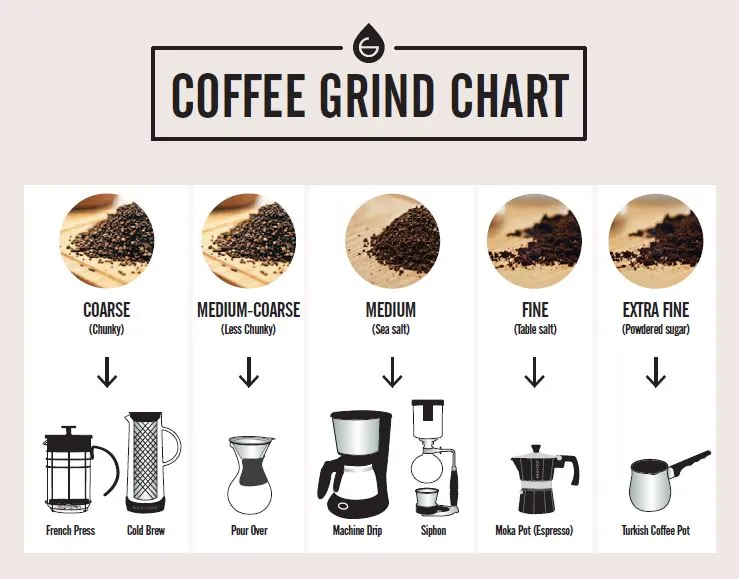
Grind and roast choices significantly impact the final taste. While cold brew is famous for being smooth, your choice of bean and grind size dictates whether the result is watery or rich.
| Method | How long | Effort | Cost | Best for |
|---|---|---|---|---|
| Cold Brew | 12–24 hours | Low | Medium | Smooth, low-acid flavor |
| French Press | 4 minutes | Medium | Low | Full body and texture |
| Drip Coffee | 5 minutes | Low | Low | Daily convenience |
| Pour Over | 3 minutes | High | Medium | Highlighting bright notes |
Choosing the Best Coffee for Cold Brew
Dark roasts are ideal for cold brewing because the longer roasting process reduces the acidity of the bean, resulting in a cleaner finish. You must use a coarse, sea-salt-like grind to ensure the filter doesn’t clog and the coffee doesn’t become bitter.
- Measure 1 cup of coarsely ground coffee for every 4 cups of filtered water.
- Combine the grounds and cold water in a glass jar, stirring gently until all grounds are wet.
- Cover the container and let it steep in the refrigerator for 16 hours.
- Strain the mixture through a paper filter or fine mesh sieve twice to remove all sediment.
This method excels at creating a concentrated base that you can dilute with milk or water.
Selecting Single-Origin Beans
If you want a more complex flavor, look for single-origin beans from regions like Colombia or Ethiopia. These beans often have distinct tasting notes that shine through the slow extraction process of cold brewing.
- Choose a fresh, whole-bean coffee roasted within the last 30 days.
- Grind your beans to a coarse consistency using a burr grinder to ensure uniform particle size.
- Mix 1 part coffee to 5 parts cold water in your brewing vessel.
- Refrigerate the mixture for 20 hours to allow for a slow, gentle extraction of oils.
This approach highlights the unique characteristics of the specific farm or region.
Blends for Consistent Flavor
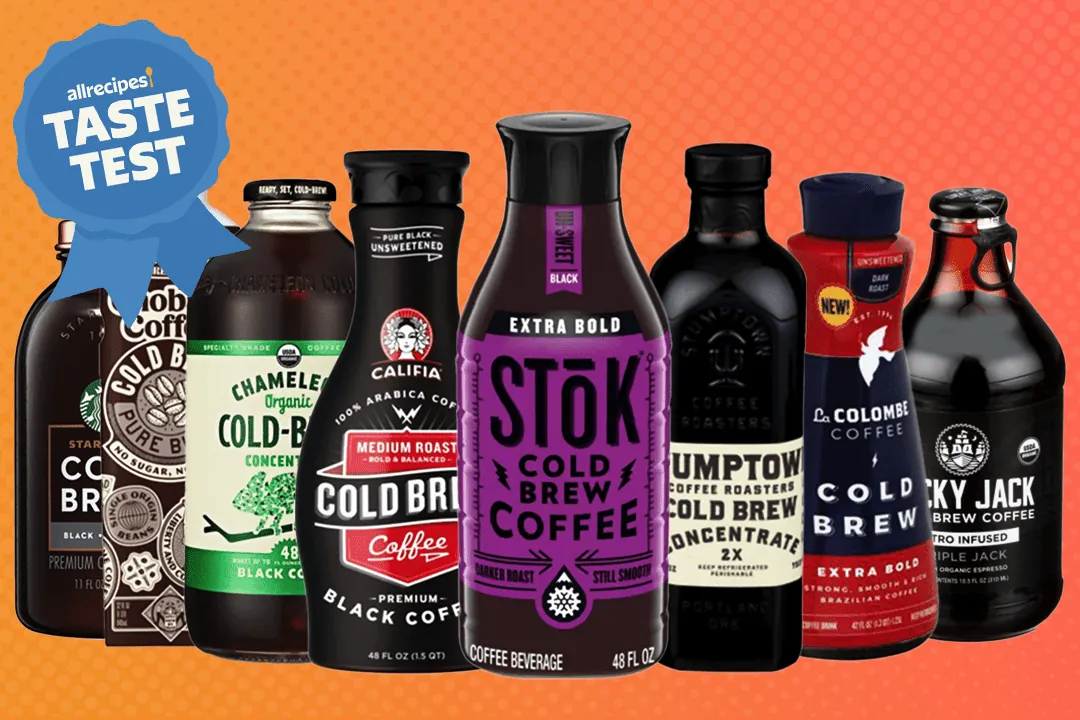
Coffee blends are often the most reliable choice for daily cold brew because they’re designed to taste the same year-round. Roasters combine different beans to achieve a consistent profile that balances body and sweetness.
- Select a medium-dark blend labeled specifically for “drip” or “filter” coffee.
- Set your grinder to the coarsest setting available to prevent over-extraction.
- Combine 1 cup of coffee with 4 cups of cold water.
- Let the brew sit in the refrigerator for 18 hours before straining.
Blends are great for beginners because they’re forgiving and widely available.
Which Coffee Should You Use?
Use a pre-ground medium-dark blend to save time. Beginners should use a standard dark roast blend for its forgiveness during steeping. For best results, grind fresh single-origin beans immediately before brewing. You can prioritize the convenience of a blend or the quality of a single-origin roast.
Essential Rules for Cold Brewing
Safety is the priority when working with food, and you should treat cold brew concentrate like any other perishable item. According to the FDA food safety guidelines, perishable items shouldn’t be left in the “danger zone” of 40°F to 140°F for more than two hours. Always store your finished concentrate in a sealed glass container in the refrigerator to prevent bacterial growth. Check the liquid for any off-odors or signs of mold before consuming. If you’re unsure about the safety of your water, use a certified water filter to remove impurities that could affect the final taste of your brew.
Related guides
- Coffee Mug Warmer: I Tested It at My Desk
- 20oz Ribbed Iced Coffee Cups Review: My Take
- I Tested Mr. Coffee vs Ninja: My Honest Pick
Frequently Asked Questions
Can I use light roast coffee for cold brew?
Yes, you can use light roast beans, but the result will be much more acidic and sour than using a dark roast. If you prefer a tart, tea-like flavor, light roasts are a great option.
How long does cold brew last in the fridge?
Cold brew concentrate remains safe and fresh for up to 7 days when kept in a sealed glass container in the refrigerator. After this time, the flavor quality begins to decline significantly.
What happens if I grind the coffee too fine?
Your cold brew will become extremely bitter and difficult to strain if the grind is too fine. A fine grind increases the surface area, leading to over-extraction of tannins during the long steep.
Is it safe to leave cold brew on the counter during the steeping process?
No, leaving your coffee on the counter for more than two hours is unsafe due to the risk of bacterial growth. Always steep your coffee in the refrigerator.
How much caffeine is in cold brew?
Cold brew typically contains more caffeine than standard drip coffee because the high coffee-to-water ratio creates a stronger concentrate. A standard 8-ounce serving often contains 150–200mg of caffeine depending on the bean type.
Why is my cold brew cloudy?
Your cold brew is cloudy because fine sediment passed through your filter during the straining process. Use a paper coffee filter instead of a metal mesh sieve to catch the smallest particles and achieve a clear result.
Conclusion
The quality of your final cup depends almost entirely on the freshness of the beans you start with and the accuracy of your grind size. While experimentation is part of the fun, sticking to a consistent ratio of 1:4 or 1:5 will ensure you get a reliable result every time you brew.
Pingback: 5 Best Coffee of the Month Clubs for the Money Rated