
Single-origin Ethiopian Yirgacheffe or Kenyan AA varieties are widely considered the best light roast coffee for pour over brewing because their high acidity and complex floral notes shine through the paper filter. Ethiopian beans offer jasmine and citrus notes, while Kenyan beans lean toward blackcurrant and deep wine-like acidity.
Pour Over Coffee Profiles
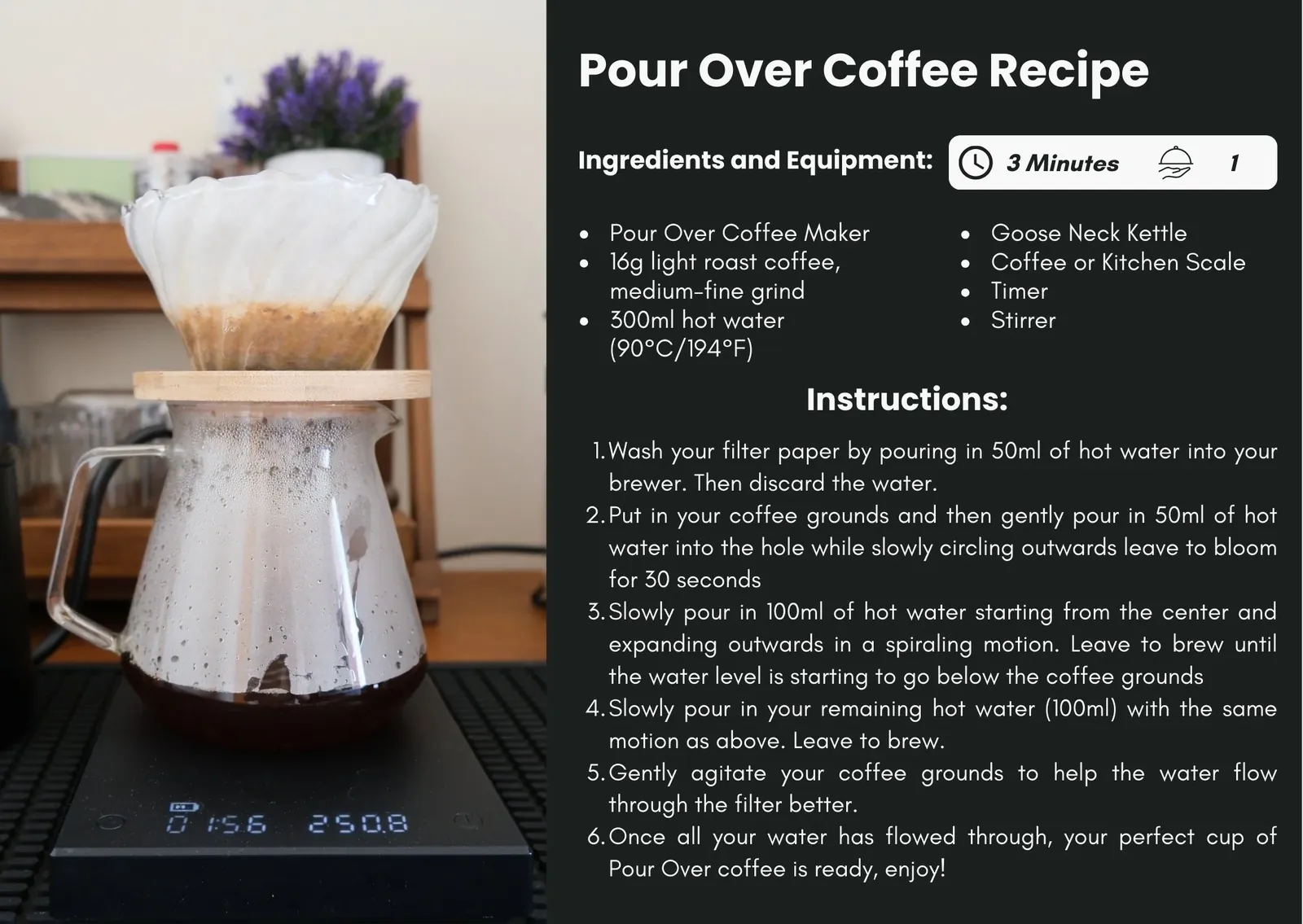
Every coffee bean reacts differently to the pour over method depending on its origin and processing. This table compares common options for a bright, clean cup.
| Bean Origin | Primary Flavor Note | Best For | Typical Profile |
|---|---|---|---|
| Ethiopia Yirgacheffe | Jasmine, Lemon | Floral lovers | Light, tea-like |
| Kenya AA | Blackcurrant, Tomato | Bold acidity | Sharp, complex |
| Colombia Huila | Caramel, Apple | Balanced cups | Sweet, crisp |
| Costa Rica Tarrazu | Honey, Citrus | Smooth finish | Clean, bright |
| Panama Geisha | Peach, Bergamot | Connoisseur palates | Highly aromatic |
Ethiopia Yirgacheffe
Ethiopian Yirgacheffe is a classic choice for pour over because its delicate structure highlights subtle aromatics that get lost in darker roasts. It suits those preferring a tea-like body.
- Highlights lemon and bergamot notes clearly.
- Provides a clean, lingering finish after each sip.
- Shows off the quality of high-altitude farming.
If you’re using a standard Hario V60, start with 20 grams of coffee ground to a medium-fine texture. Pour 320 grams of water heated to 205°F to ensure optimal extraction.
Kenya AA
Kenyan coffee is known for its intense, wine-like acidity that creates a vibrant, punchy cup through a paper filter. It suits those who want a coffee that changes as it cools.
- Delivers a heavy, syrupy sweetness.
- Features deep notes of blackcurrant or dried berries.
- Maintains flavor intensity even when the cup reaches room temperature.
For a balanced cup, use a slightly coarser grind than you would for Ethiopian beans. If you have a coffee cupping protocol to follow, you’ll notice that this bean demands a steady, slow pour to keep the acidity from becoming too sharp.
Colombia Huila
Colombian coffee from the Huila region is a reliable, balanced option that offers sweetness and crisp acidity. It suits those who find Kenyan or Ethiopian coffees too acidic.
- Offers a consistent caramel and red apple sweetness.
- Provides a medium body that feels rounder in the mouth.
- Pairs well with milk if you accidentally over-brew the batch.
This bean is forgiving if your water temperature fluctuates. If you have a variable kettle, keep it between 195°F and 205°F. The limit here is the roast date; if the beans are older than four weeks, the bright notes disappear, leaving only a flat, woody taste.
Costa Rica Tarrazu
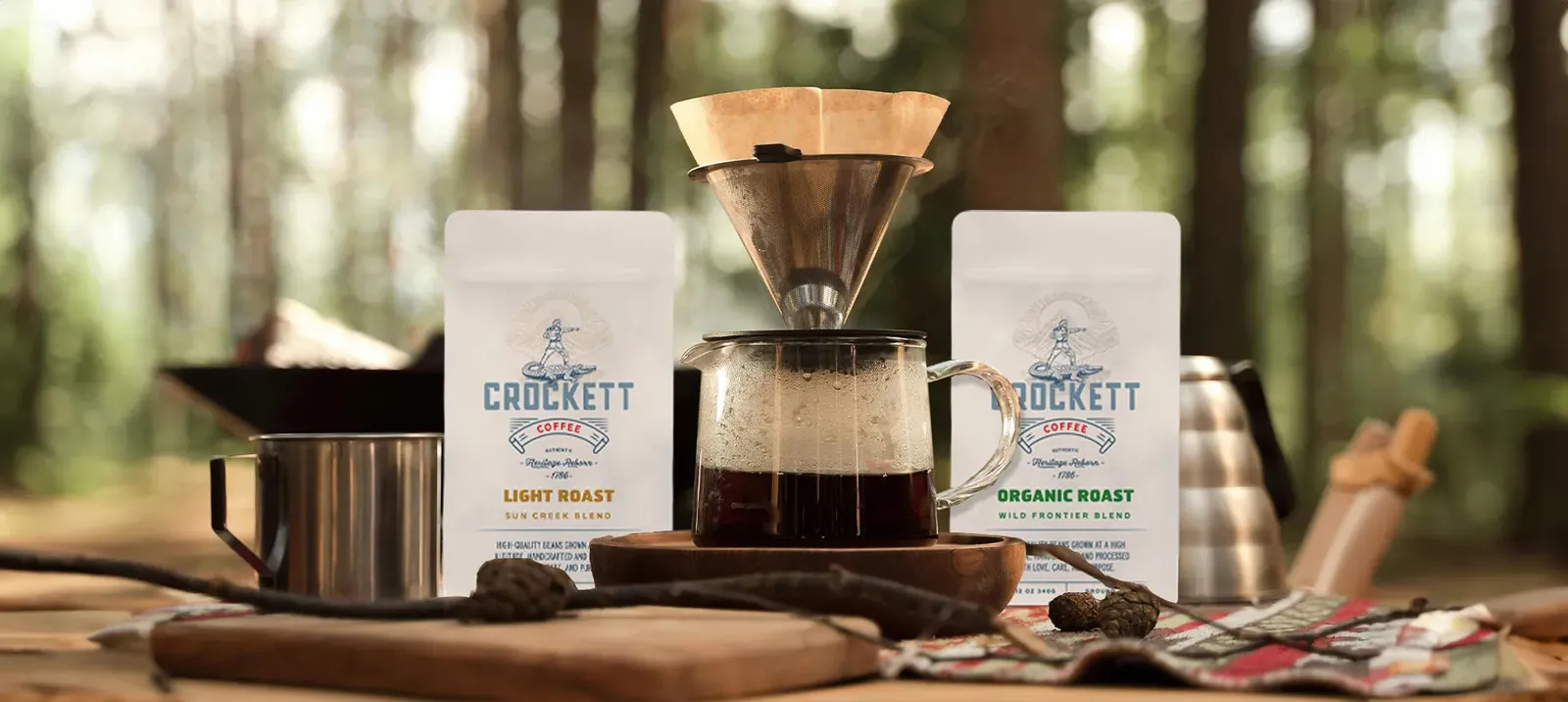
Costa Rican coffee is celebrated for its clean, sparkling acidity and honey-like sweetness that defines the region’s high-altitude volcanic soil. It suits drinkers who want a clean cup without bitterness.
- Features a crisp, clean finish.
- Highlights notes of citrus and brown sugar.
- Maintains a light, refreshing body.
Most people make the mistake of using boiling water. Use water at 200°F instead for a smooth result.
More Light Roast Options
- Panama Geisha: Known for high prices and extreme floral aromatics, this is for those seeking a tea-like experience with intense notes of peach and jasmine.
- Guatemala Antigua: Grown in volcanic soil, this bean offers a spicy, smoky undertone that provides a unique contrast to the standard bright, fruity light roast profiles.
- Rwanda Bourbon: These beans produce a very sweet, creamy cup with notes of orange and spice, perfect for those who want brightness without extreme acidity.
Choosing the Best Light Roast Coffee for Pour Over
Choose based on your preference for acidity versus sweetness. Picking one usually means leaving the other characteristics behind, so rotate your beans every week to see which profile matches your morning routine.
Frequently asked questions
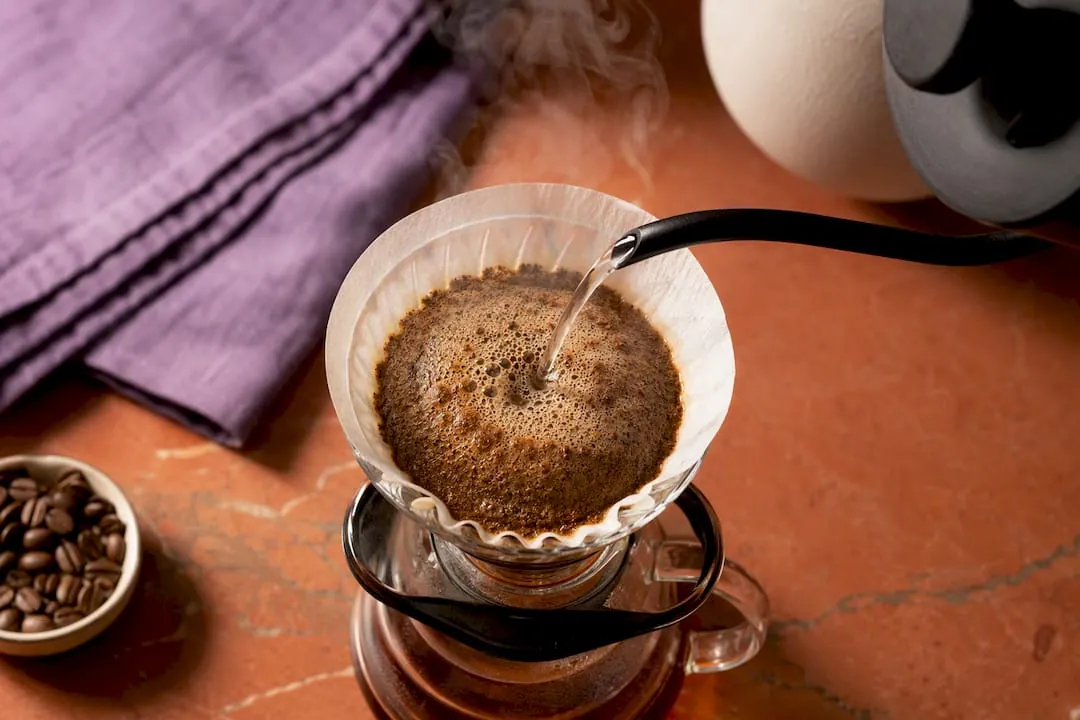
How long should a pour over take?
A total brew time of 3 minutes is standard for a 320-gram pour. If your brew finishes faster, use a finer grind; if it takes longer, use a coarser grind.
Is it safe to drink light roast coffee every day?
Yes, light roast coffee is safe for daily consumption and contains similar caffeine levels to dark roasts. Ensure you store beans in an airtight container away from direct sunlight to preserve freshness.
Why does my coffee taste sour?
Sourness indicates under-extraction, which happens when the water is too cool or the grind is too coarse. Increase your water temperature or use a finer grind setting to balance the flavor.
How much coffee do I need for one cup?
Use 15 to 20 grams of coffee for every 300 grams of water. Start with a 1:16 ratio and adjust the amount of grounds based on how strong you prefer the final cup.
Does the water quality matter?
Water makes up 98% of your cup, so use filtered water for the best results. Distilled water often tastes flat, while tap water with high mineral content can mask subtle floral notes.
What happens if I use boiling water?
Using water at 212°F can lead to over-extraction if the grind is too fine, resulting in a bitter or astringent taste. Aim for a temperature between 195°F and 205°F for the most consistent extraction.
Conclusion
Start by buying a small 250-gram bag from a local roaster with a recent “roast on” date. You should expect a bright, clean, and aromatic cup that smells like fruit or flowers; if it tastes burnt or overly bitter, adjust your grind size to be slightly coarser.
Related guides


Pingback: 10 Best Green Coffee Beans for Light Roasting: Top Picks
Pingback: Best Light Roast Coffee for Beginners: A Simple Flavor Guide
Pingback: 10 Best Light Roast Coffee for Beginner's: Expert Picks