High foot traffic near transit hubs or busy office zones is typically the best location for a coffee shop because it ensures a steady stream of morning commuters. This guide covers the demographic and logistical data points you need to evaluate a site’s potential for long-term profit.
Choosing the right coffee shop location
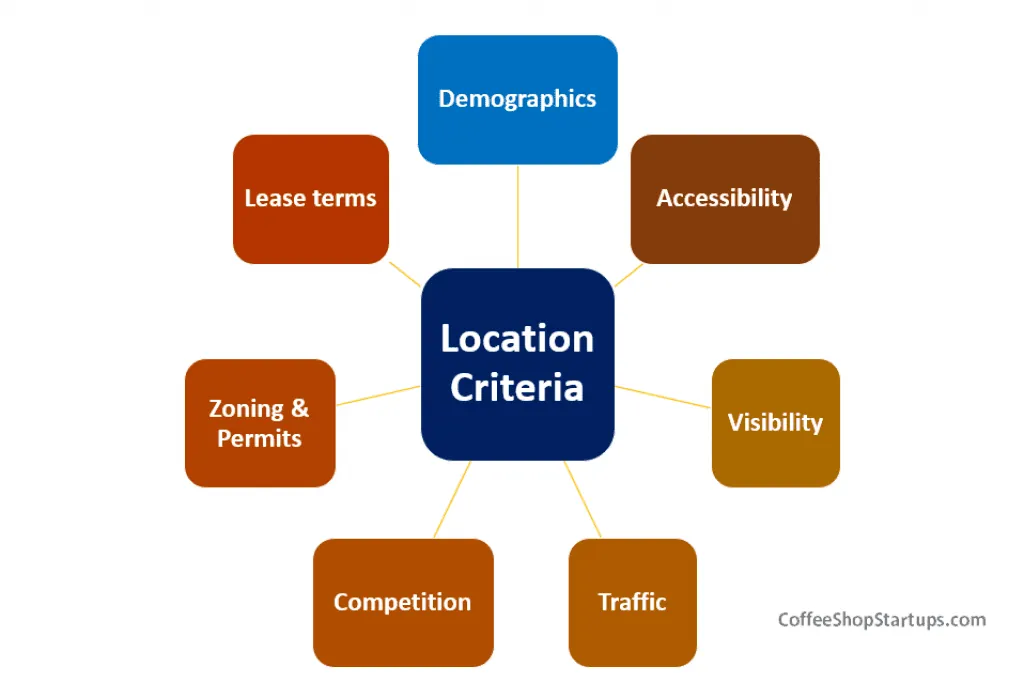
A coffee shop is a retail business that relies on high-volume, low-cost transactions. Maximize visibility and accessibility for customers. Look for a spot that serves as a natural stop on a daily routine, like the path between a transit hub and a workplace.
Steps to evaluate your potential site
- Observe the morning rush at your target location between 7:00 AM and 9:00 AM on a weekday. Count how many people walk past the storefront in that window.
- Check the competition within a two-block radius. If there are more than three established cafes nearby, the market may be saturated.
- Review the local zoning and Small Business Administration guidelines to ensure your space is legally permitted for food and beverage service.
- Measure the available square footage.
- Test the parking situation. If you’re in a car-dependent area, you need at least five dedicated spaces or easy street access to avoid losing customers who are in a hurry.
If the site has a high rent, ensure the foot traffic count justifies the cost; if the rent is low, check if the location suffers from poor visibility or safety issues.
Key metrics for site assessment
| Situation | What to use | How long | What to watch for |
|---|---|---|---|
| Busy office park | High-speed espresso | 30-60 seconds | Morning peak congestion |
| Residential street | Seating areas | 15-30 minutes | Weekend traffic patterns |
| Transit station | Grab-and-go counter | Under 2 minutes | Queue blocking the path |
| University campus | Study-friendly layout | 1-3 hours | Power outlet availability |
| Tourist district | Outdoor signage | Instant | Seasonal flow changes |
Details that drive long-term success
Successful owners focus on the “pavement score.” This is the number of pedestrians who pass your door during your peak hours. Experienced operators place their entrance on the side of the street that commuters use on their way to work, not on their way home. In the morning, customers want speed; in the afternoon, they want comfort.
Common layout and location problems
| What you notice | What it usually means | What to do first |
|---|---|---|
| Long lines moving slowly | Poor counter design | Rearrange the queue path |
| Empty shop at 10 AM | Wrong target audience | Adjust your menu/pricing |
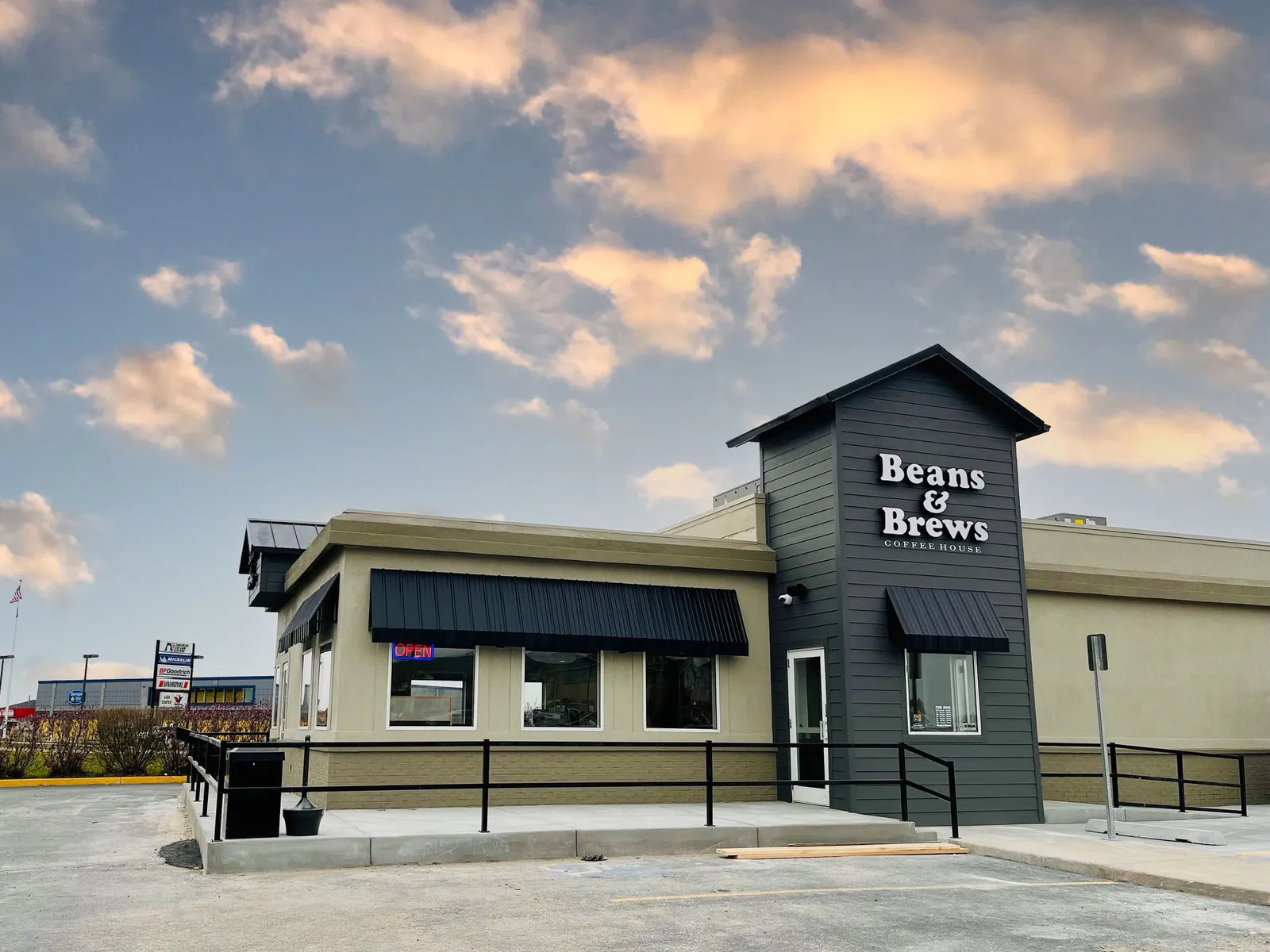
| Delivery trucks blocking view | Poor street access | Add a taller blade sign |
| Customers never return | Low product consistency | Retrain staff on recipes |
Legal and zoning requirements
You must secure a certificate of occupancy that specifically allows for food service. Check your local municipal planning office for specific health code requirements regarding grease traps and ventilation systems. Failure to verify these risks expensive retrofits after signing your lease.
Maintaining your location’s value
Once you open, treat the exterior of your shop as your most important advertisement. Keep the windows clean and the sidewalk swept daily. If your signage fades or the paint chips, customers subconsciously assume the coffee quality is also declining.
When to seek a different space
If the building lacks proper plumbing, upgrade costs often exceed the lease value. In these cases, look for an “ex-restaurant” space that already has the necessary gas, water, and electrical hookups installed and approved.
Frequently asked questions
Can I open a shop in a residential basement?
No, most local zoning ordinances prohibit running a commercial food business from a residential basement due to health and safety regulations regarding public access, fire exits, and commercial kitchen ventilation standards.
How much foot traffic is enough?
A viable coffee shop typically needs at least 200 pedestrians passing the door per hour during the morning rush, though this varies based on your local population density and competition levels.
Is it safe to rent a space without a grease trap?
No, it isn’t safe or legal in most jurisdictions, as commercial kitchens require grease traps to prevent pipe blockages; installing one later can cost thousands of dollars in plumbing work.
How do I know if the rent is fair?
You should compare the price per square foot against similar retail spaces in the immediate three-block radius; if it’s significantly higher, you need to verify the revenue potential.
What happens if the transit stop moves?
If your primary customer source moves, your business may lose a significant portion of its volume, so you should negotiate an early exit clause in your lease for this scenario.
How long does a lease usually last?
A standard commercial lease for a coffee shop is typically 5 to 10 years, which gives you enough time to recover your initial equipment investment and build a loyal following.
Conclusion
Choosing the right spot is a balance between high visibility and your ability to manage the flow of customers. Always prioritize a location that fits the speed of your service, and never sign a lease until you have confirmed the zoning laws with your local planning department.
Related guides