
The best coffee for cold brew is a coarse-ground medium to dark roast, which produces the richest and lowest-acid result. Whole beans from Colombia or Sumatra are ideal for adding chocolate and nutty notes.
Choosing the best coffee for cold brew
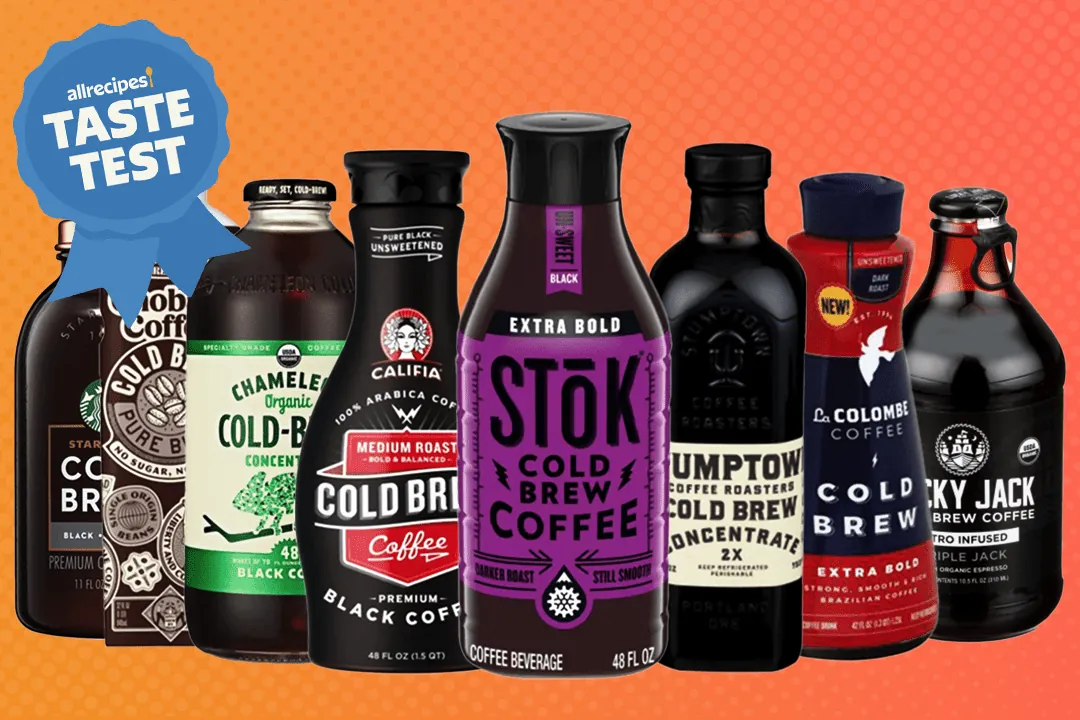
Cold water extracts oils and flavors slowly. Using the right bean prevents sour tastes and cloudy cups.
- Medium to dark roasts provide rich chocolate, caramel, and nutty flavors without harsh bitterness.
- 100% Arabica beans give a smoother, sweeter cup than Robusta, which often tastes woody and sharp when steeped cold.
- Coarse ground beans matching raw sea salt size keep your coffee clear and stop over-extraction.
- Single-origin beans from Central or South America create balanced cups with mild, natural sweetness.
- Freshly roasted beans aged between 7 and 21 days from roast date extract cleanly without excess carbon dioxide gas.
Why roast level and bean density change extraction
Cold water lacks the heat energy needed to dissolve organic acids quickly. A published scientific study by researchers at Thomas Jefferson University on cold brew extraction showed that hot water extraction pulls significantly higher concentrations of titratable acids out of beans than cold water steeping. Because cold brewing leaves behind many sharp, bright acids, dark roasts naturally shine in cold liquid. High roasting temperatures make bean fibers porous and easy for cold water to penetrate.
Light roasts retain high density and fruit-like floral acids. Without hot water to dissolve these dense sugars, a light roast usually tastes sour and grassy after a cold steep. If you enjoy dairy or oat milk in your cup, choose an oily French or Italian roast; if you drink it black, choose a balanced medium-roast Colombian bean.
Cold brewing beans for different tastes
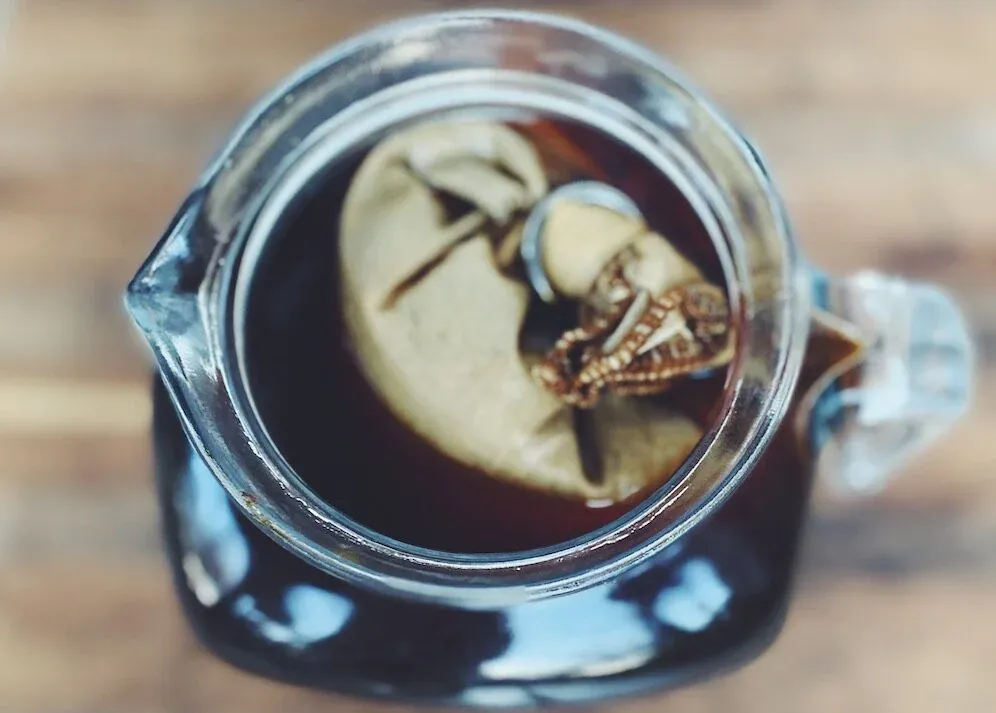
Your choice of coffee bean changes based on how you serve your drink and what flavor profile you prefer.
| Situation | What changes | What to do instead |
|---|---|---|
| Adding dairy or cream | Light roasts get completely lost | Use an oily French roast |
| Drinking cold brew black | Dark roasts can taste roasty | Choose a washed medium roast |
| Budget batch brewing | Expensive single-origins waste money | Buy commercial Arabica blend beans |
| Sensitive stomach | High acid upsets digestion | Brew a low-acid Sumatran bean |
| Need high caffeine | Arabica beans contain less caffeine | Blend in 20% Robusta beans |
| Ready in under 12 hours | Slow steeping under-extracts grounds | Grind beans slightly finer |
How to brew coarse coffee properly
Making cold brew requires basic tools, water, and time. This yields 4 cups of concentrate.
- Weigh out 100 grams of whole bean dark roast coffee on a kitchen scale for an accurate 1:5 brew ratio.
- Grind your coffee beans on your grinder’s coarsest setting until the grounds look like chunky rock salt.
- Pour the coarse grounds into a clean 32-ounce glass mason jar or French press container.
- Add 500 milliliters of cold, filtered water slowly, making sure all grounds get wet.
- Stir the wet grounds gently with a wooden spoon for 15 seconds to eliminate dry pockets.
- Seal the jar lid tightly and let the mixture steep on your counter for 16 hours at room temperature.
- Place a paper filter inside a fine-mesh strainer set over a clean glass pitcher.
- Pour the steeped liquid through the filter slowly until every drop of clear concentrate drips through.
Brewing mistakes that ruin coffee flavor
A minor error during prep can leave your batch bitter, muddy, or unpleasantly weak.
- Using espresso-fine coffee grounds clogs the filter and makes your concentrate bitter and sandy.
- Steeping the grounds for longer than 24 hours pulls harsh, woody tannins out of the bean cellulose.
- Brewing with unfiltered tap water introduces chlorine smells that cover delicate roasted bean flavors.
- Skipping the paper filter leaves micro-sediment in the jar, which continues brewing in your fridge and turns sour.
Frequently asked questions
Can you use pre-ground coffee for cold brew?
Yes, but standard pre-ground coffee is ground fine for drip machines. This fine size creates muddy sediment and bitter flavors unless you reduce steep time to roughly 10 hours and filter through double paper.
How long does homemade cold brew stay fresh?
Homemade cold brew concentrate stays fresh for 10 to 14 days when sealed in a clean glass jar inside a refrigerator below 40°F. Diluted cold brew loses flavor after three days.
Is light roast coffee good for cold brew?
No, light roast coffee generally produces sour, tea-like cold brew because cold water can’t dissolve dense fruit acids. Light roast cold brew isn’t for drinkers who want chocolate notes or use heavy cream.
What happens if you steep coffee longer than 24 hours?
Steeping coffee past 24 hours dissolves bitter wood compounds and astringent tannins from the spent grounds. Your cold brew will taste dusty, dry, and bitter rather than smooth and sweet.
Does cold brew coffee need to steep in the fridge?
No, steeping works well on the counter at room temperature for 14 to 16 hours. If you steep your batch inside the refrigerator, add 4 to 6 hours to the brew time because cold slows extraction.
How much caffeine is in cold brew compared to iced coffee?
Cold brew concentrate contains roughly 200 milligrams of caffeine per 8-ounce cup, while standard iced drip coffee carries around 120 milligrams. The higher bean-to-water ratio pulls more total caffeine into the final batch.
Conclusion
The trade-off with dark roasts is simple: you gain rich chocolate notes and low acidity, but you lose the delicate floral flavors found in lighter beans. For the exact caffeine and flavor balance in your own cup, check the roast date and origin notes printed on your coffee bag’s label.
Related guides
Pingback: Which Coffee Is Best for Cold Brew: Roast and Grind Guide
Pingback: 10 Best Ground Coffee for Making Cold Brew: Top Picks