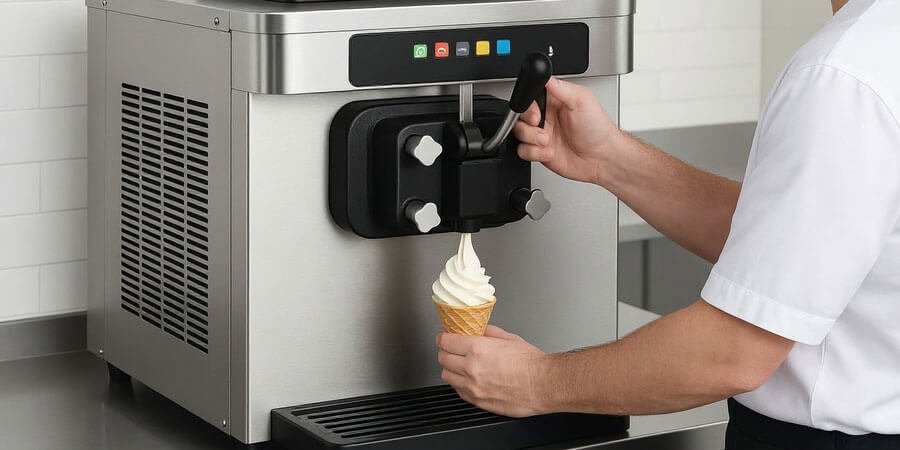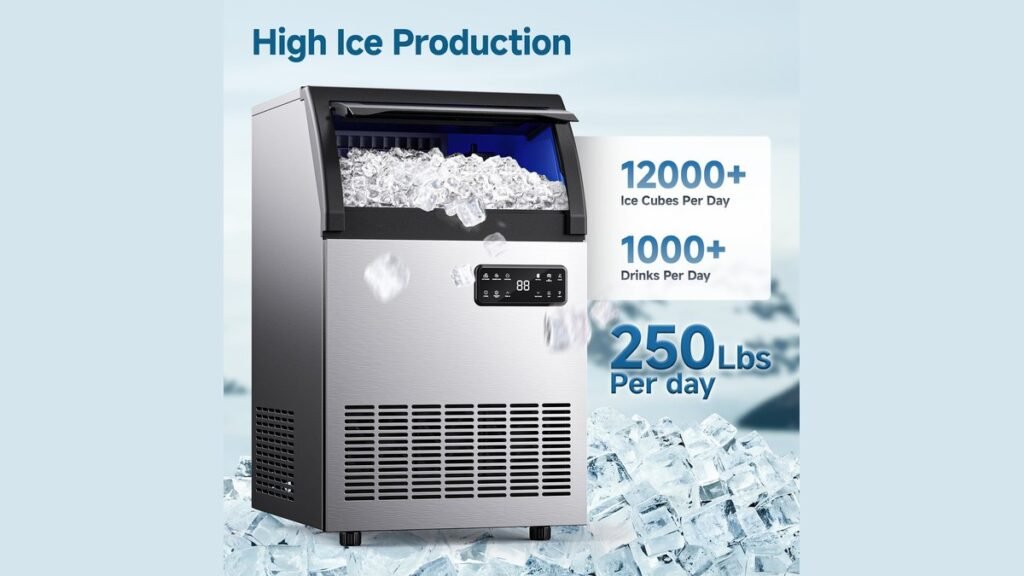
An ice maker works by filling a mold with water, freezing it into cubes, and ejecting them into a bin using a heated release cycle, repeating this simple freeze-and-dump loop automatically until the storage bin is full.
Parts that make the refrigerator ice maker work
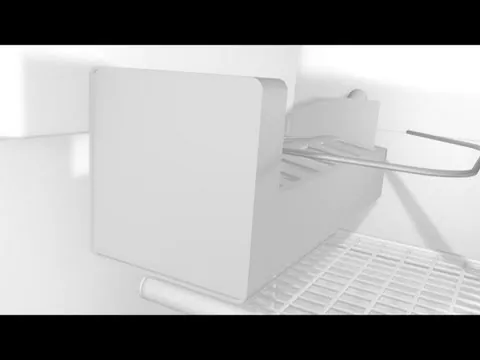
The automatic ice maker relies on specific components to manage water flow, temperature sensing, and mechanical ejection without user intervention.
| Part or input | What it does | What you notice when it goes wrong |
|---|---|---|
| Water inlet valve | Opens briefly to fill mold | No ice or hollow cubes form |
| Fill tube | Directs water into mold | Leaks or frozen blockages appear |
| Thermostat sensor | Detects when water freezes | Cycle stalls or runs too long |
| Mold heater | Loosens cubes for ejection | Cubes stick inside the tray |
| Ejector motor | Pushes cubes into bin | Grinding noise or jammed cubes |
| Shutoff arm | Stops cycle when bin fills | Overfilled bin or no shutoff |
Ice maker freezing cycle steps
The production sequence follows a timed loop that coordinates water intake, freezing, heating, and ejection to create uniform cubes. This cycle repeats continuously as long as the freezer maintains proper temperature and the shutoff arm remains in the down position.
- The control module signals the water inlet valve to open for about seven seconds at standard household pressure.
- Water flows through the fill tube into the ice mold, filling each cavity to a precise level.
- The thermostat monitors the mold temperature until the water reaches approximately 15°F to ensure solid freezing.
- A small electric heater activates beneath the mold for roughly twenty seconds to loosen the frozen cubes.
- The ejector motor turns slowly, pushing the loosened cubes out of the mold and into the storage bin.
- The shutoff arm rises as cubes accumulate, eventually triggering the switch to pause the entire cycle.
- Once cubes are removed and the arm drops, the timer resets and the next fill cycle begins immediately.
Why ice makers stop working
Most ice maker failures trace back to interrupted water flow or low freezer temperature. Above 0°F, the thermostat never triggers the harvest cycle because the water doesn’t freeze hard enough. Check the actual temperature with a standalone thermometer before replacing parts, since built-in dials often drift.
A clogged fill tube mimics a broken valve but costs nothing to fix. Ice builds up inside the narrow plastic channel when humidity enters during door openings, blocking water flow. You’ll see misshapen or undersized cubes before production stops, distinguishing this from sudden electrical failures.
Adjustable settings versus fixed limits
What you can control
- Freezer temperature setpoint between 0°F and 5°F for consistent freezing speed.
- Bin capacity adjustment by repositioning the shutoff arm height on compatible models.
- Water filter replacement as needed depending on use, following the owner’s manual as the authority to maintain proper flow rate.
- Manual reset button press after power outages or error codes.
- Cleaning frequency based on local water hardness levels.
What design fixes permanently
- Maximum daily production rate determined by mold size and cycle timing.
- Minimum operating temperature threshold required for thermostat activation.
- Physical dimensions limiting bin volume within the freezer compartment.
- Electrical specifications requiring professional diagnosis for internal wiring faults.
Internal electrical repairs require a certified appliance technician due to shock risk and warranty implications.
Habits for reliable ice production
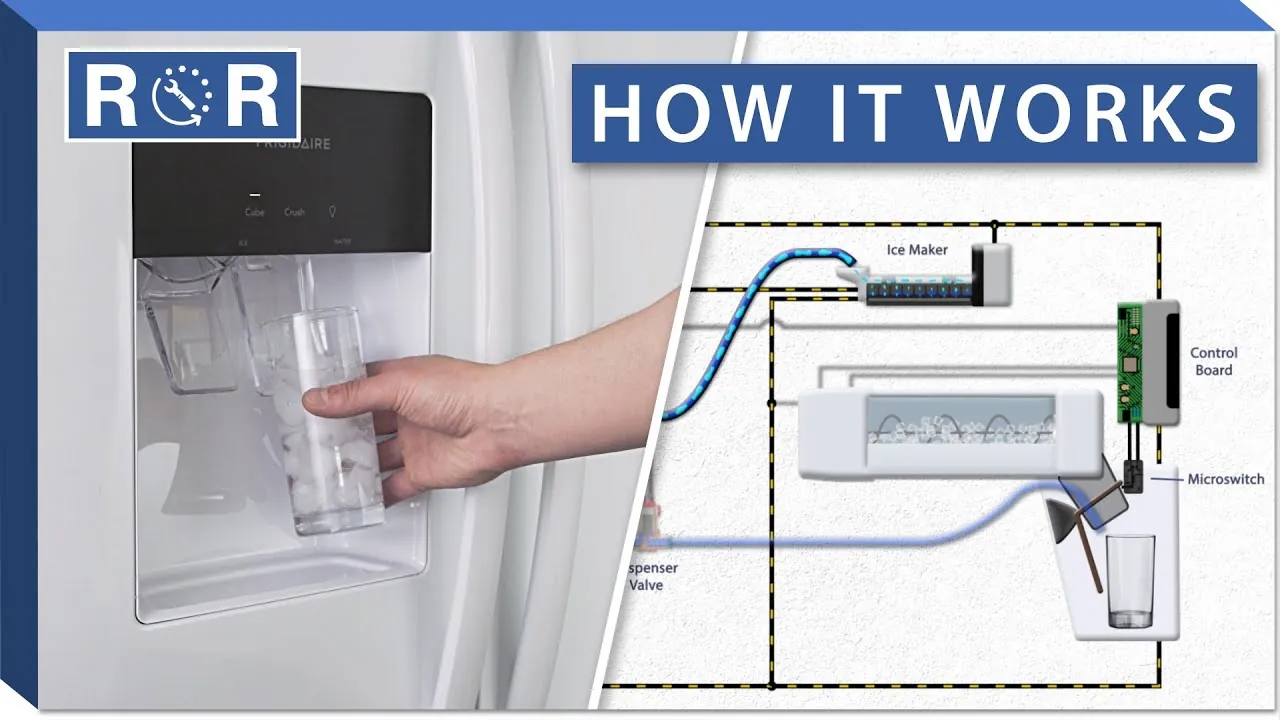
Keep the freezer at 0°F or below, as warmer temperatures extend freeze times and reduce daily output significantly. Clean the ice bin monthly to remove frost accumulation that interferes with the shutoff arm’s movement. Listen for the distinct hum of the fill valve; silence during expected cycles signals a supply issue worth investigating before calling for service.
Frequently asked questions
How long does an ice maker take to make ice?
A complete cycle takes 90 to 120 minutes at 0°F, producing 8-10 cubes per batch. Warmer freezers extend this time proportionally; at 10°F expect cycles lasting three hours or more.
Why is my ice maker making thin ice?
Thin cubes indicate low water pressure or a partially clogged filter restricting flow during the fill window. Replace the filter first, then check the inlet valve screen for sediment if the problem persists.
Can I manually add water to an ice maker?
You can carefully pour a small amount of water directly into the ice mold to test the freezing cycle, though relying on the designated water line is preferred for normal use. Use the designated water line connection only, or fill trays separately and place them in the bin.
Is it safe to eat cloudy ice cubes?
Yes, cloudiness comes from trapped air bubbles and dissolved minerals, not contamination. Clear ice requires directional freezing that home units can’t achieve, so opacity is normal and harmless.
What happens if the ice maker runs without water?
Running dry won’t damage the unit immediately, but prolonged operation can wear the ejector mechanism and waste energy. The thermostat should prevent harvesting, though some models may attempt ejection cycles unnecessarily.
Does water hardness affect ice maker performance?
Hard water accelerates mineral deposits on the mold and fill tube, reducing efficiency over months. Install a softener or increase cleaning frequency if you notice white scale buildup inside the unit.
Why does new ice taste strange?
Fresh plastic lines and molds leach flavors during initial use; discard the first two to three batches. Persistent odd tastes after break-in suggest old filters or contaminated water supply needing attention.
Can I turn off the ice maker temporarily?
Lift the shutoff arm to the vertical position or flip the dedicated power switch if equipped. This pauses production without disconnecting water; lower the arm to resume normal cycling.
Conclusion
Your refrigerator’s ice maker operates on predictable mechanical principles, but its real-world output depends entirely on your freezer maintaining 0°F and clean water flowing freely through unobstructed lines. When production slows, check temperature and filtration before assuming hardware failure, since these two variables cause most slowdowns homeowners encounter.