
A frozen water line is the most common reason an ice maker stops, and thawing it usually gets production going again. To safely troubleshoot problems with the ice maker, start with the three things a normal person can check: water flow, freezer temperature and the position of the shut-off arm.
Troubleshoot why your ice maker stopped working
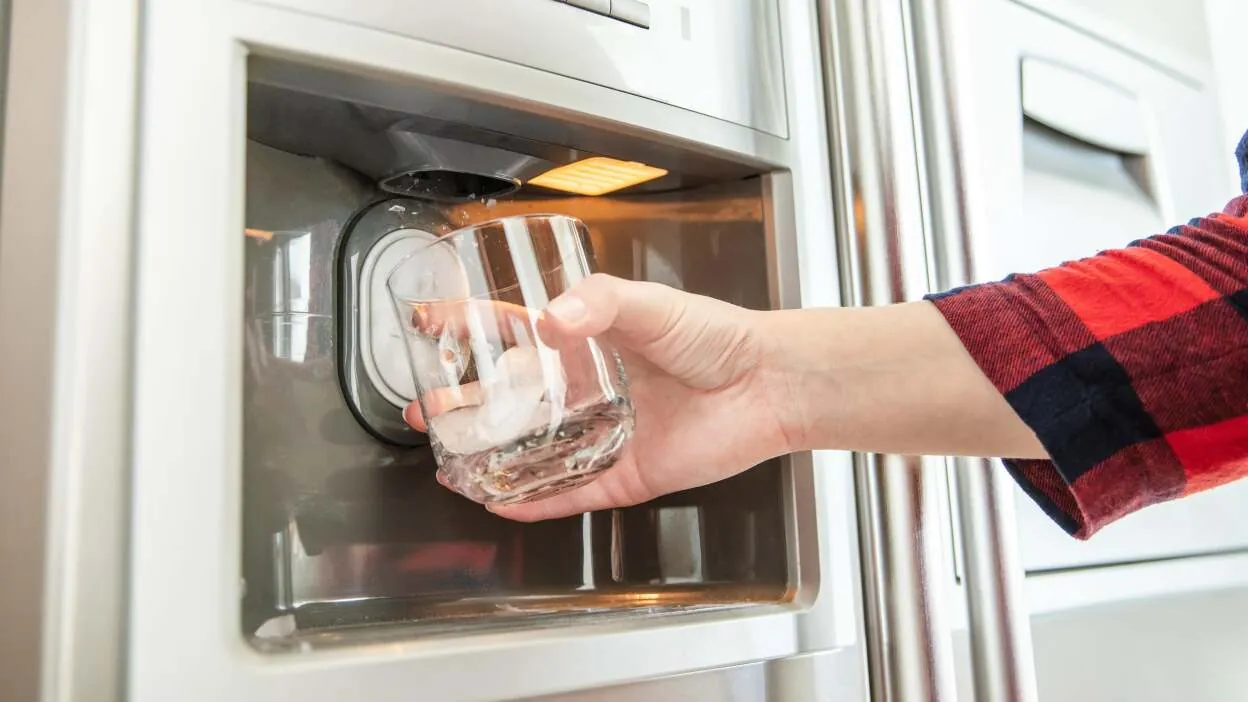
Three causes account for nearly every stoppage. First, the water supply tube freezes. This happens when the freezer runs colder than it should or the fridge sits unused for days. Second, the freezer isn’t cold enough. Ice needs 0°F (-18°C) to form properly.
If the arm is down and the freezer feels very cold but no ice drops, the water line is almost certainly blocked. Don’t open the motor housing or test electrical parts.
Thaw the frozen water line
This fix is for fridges that still dispense water slowly or not at all through the door, pointing to a blockage. Unplug the refrigerator first. Locate the water line where it enters the back of the freezer compartment.
Wrap a towel soaked in warm water around the tube for about 15 minutes. You can also use a hair dryer on its lowest heat setting, keeping it moving so you don’t melt the plastic. Once water drips freely from the line, plug the fridge back in.
Lower the freezer temperature
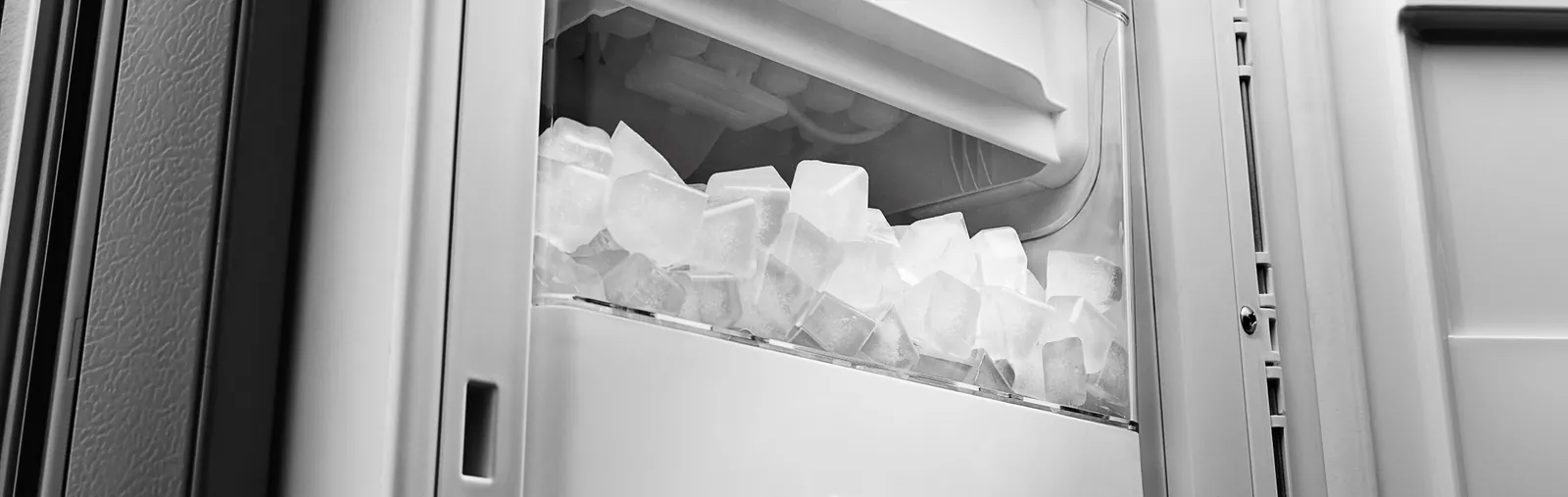
This fix targets a different lever: the thermostat setting rather than the plumbing. Check your freezer’s display or dial. It must read 0°F (-18°C) for the mold to freeze cubes completely.
If it reads higher, turn the dial down. Then clear space around the inside vents. Stacking bags against them traps warm air, forcing the compressor to work harder while the ice stays soft. Give it 24 hours after adjusting the dial before expecting full cubes.
Reset the shut-off arm and filter
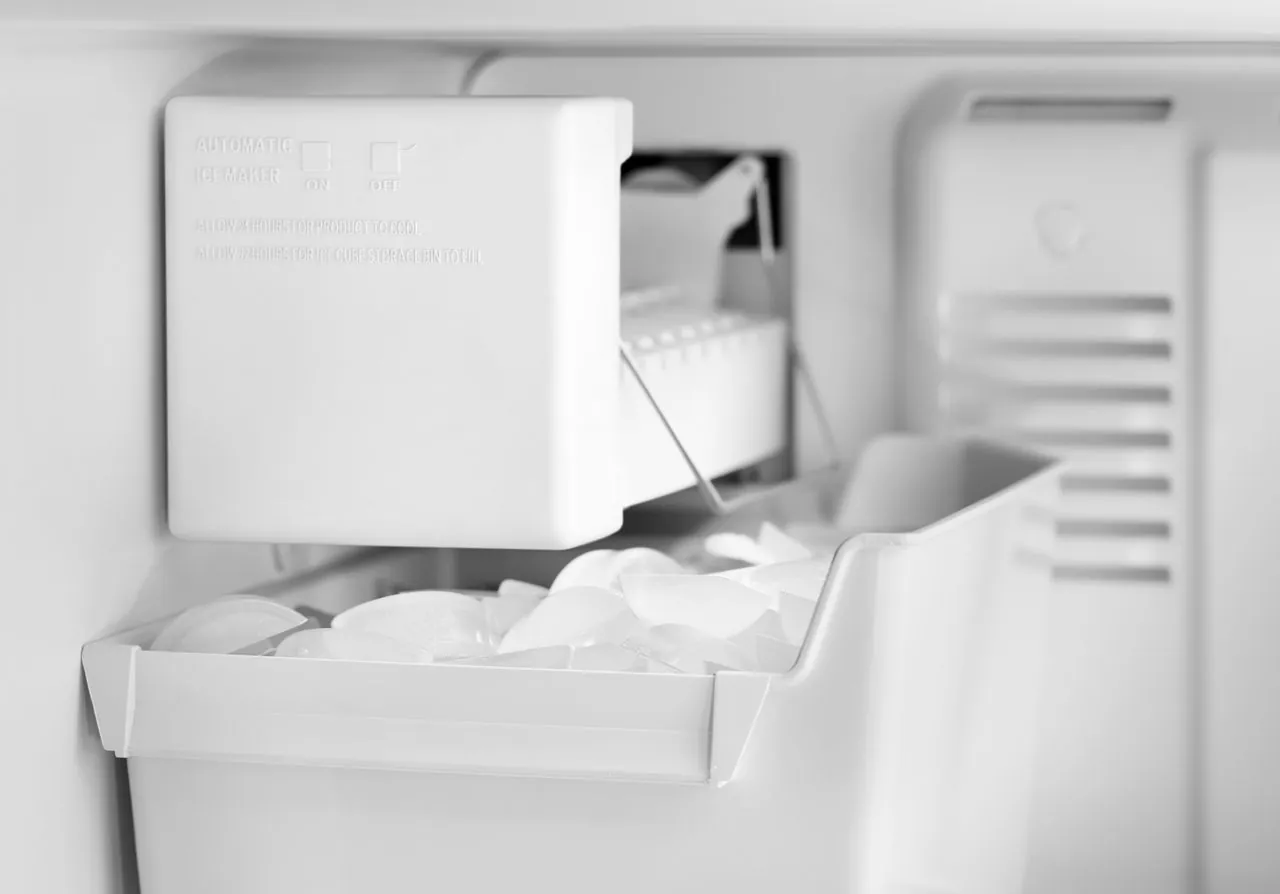
Use this approach when water flows fine and the freezer is cold, yet the tray stays empty. Find the metal or plastic arm hanging beside the ice bin. Push it firmly down until it clicks.
If your model uses a water filter, pull it out and check the date printed on the side. A clogged filter starves the valve. Replace it if it’s been in place longer than six months.
Ice maker fixes that cause damage
- Pouring hot water directly into the ice tray. The sudden heat cracks the plastic mold, turning a simple blockage into a costly replacement.
- Forcing the ejector arms with a knife. Chipping away ice bends the metal fingers, and bent fingers jam the motor permanently.
- Turning the freezer to its coldest setting indefinitely. This wastes energy and freezes the water line faster, creating the exact problem you’re trying to solve.
- Ignoring a leaking water valve. A slow drip coats the freezer floor in ice, eventually blocking the fan and warming the whole compartment.
Keeping your ice maker running smoothly
Small habits prevent the blockages and temperature swings that halt production.
| If you’re doing this | Do this instead | Why |
|---|---|---|
| Leaving the freezer half-empty | Keep it about three-quarters full | Frozen food holds the cold steady, protecting the water line from freezing over. |
| Ignoring the filter light | Swap the filter every 6 months | Old filters restrict pressure, starving the fill valve of the water it needs. |
| Pushing boxes against vents | Leave 2 inches of space around vents | Blocked airflow creates warm pockets that keep cubes soft and slushy. |
| Turning off the ice maker for trips | Turn off the water supply too | Shutting off just the arm leaves pressurized water sitting in the line to freeze. |
The amount of ice you actually get depends on how often the door opens and the room’s humidity; check your owner’s manual for the specific daily output your model is built to produce. Samsung notes that ice maker troubleshooting steps vary by refrigerator style, so always match your checks to your exact design.
Frequently asked questions
How long does it take for an ice maker to make ice?
About 90 minutes per batch once the freezer reaches 0°F (-18°C). A brand-new installation or a fridge just plugged in takes up to 24 hours to cool down enough for the first cycle to finish.
Why is my ice maker making hollow ice cubes?
Low water pressure causes hollow centers because the tray doesn’t fill completely before freezing starts. Check for a kinked supply hose behind the fridge or an overdue water filter choking the flow.
Can I pour hot water into the ice maker to defrost it?
No, boiling or very hot water warps the plastic mold and ruins the tray. Use a warm, damp towel wrapped around the supply line or a hair dryer on low heat instead.
Is it safe to leave the ice maker on without water?
No, leaving it running dry forces the motor to cycle endlessly trying to harvest cubes that aren’t there. This burns out the gears quickly. Always flip the shut-off arm up if you disconnect the water.
What happens if I don’t change the refrigerator water filter?
Minerals build up inside the filter, dropping water pressure below what the inlet valve needs to open fully. You’ll get small, misshapen cubes or none at all. How often you change it depends on use, and the owner’s manual is the authority.
How often should the ice maker run each day?
A typical home unit completes 8 to 10 cycles every 24 hours when the freezer stays closed. If yours runs constantly without filling the bin, the shut-off sensor might be dirty or broken.
Why does my ice taste bad even with a new filter?
Stale ice absorbs freezer odors through the air. Empty the entire bin, wash the tray with mild dish soap and warm water, then let a fresh batch freeze. Throw away those first new cubes.
Conclusion
Every fridge behaves slightly differently depending on its age, the kitchen’s warmth and how heavily you stock the shelves. Start with the water line and the thermostat, since they cause the vast majority of stoppages. If those checks don’t bring the ice back, the fault sits inside the sealed system or the motor module. That’s the point to call a qualified repair service rather than risk breaking the plastic mounts or hurting yourself on live wiring.
Pingback: Fridge Ice Maker How Does It Work: Step-by-Step