
To learn how to turn on ice maker in freezer models, locate the wire shut-off arm or digital control panel inside the bin. Most units require you to push the wire arm down or toggle the “Ice Maker” button to the “On” position.
Understanding the mechanism
The most important thing to know is that your ice maker relies on a specific temperature range to cycle water. If the freezer isn’t cold enough, the internal thermostat prevents the machine from starting to protect the motor.
The most common mistake people make is assuming the unit is broken when it’s simply in a “standby” mode. Always check the physical control settings before calling a technician.
How to turn on ice maker in freezer
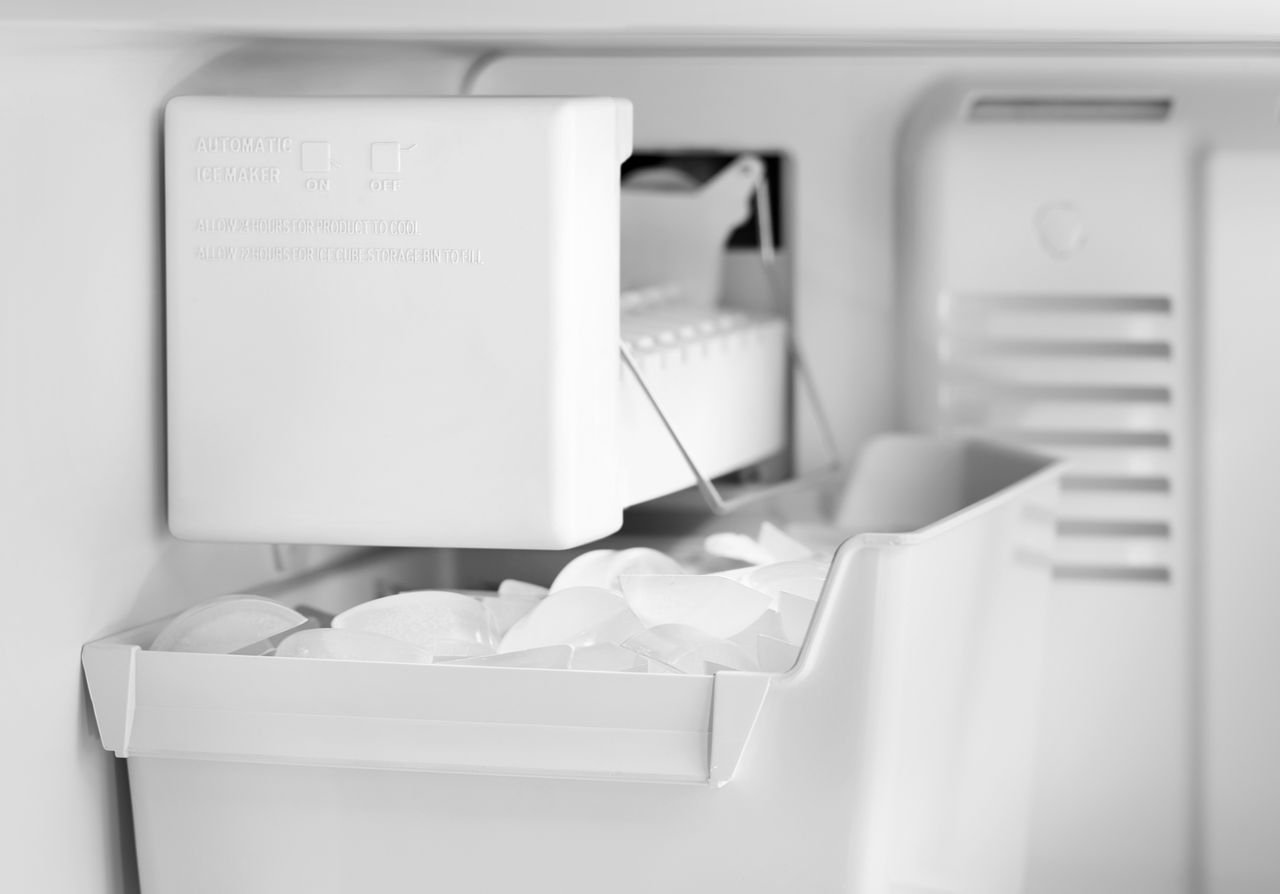
- Pull the freezer drawer out or open the door to reveal the ice bucket and the wire arm located on the side of the unit.
- Push the wire shut-off arm down into the “on” position if your specific model uses this mechanical switch.
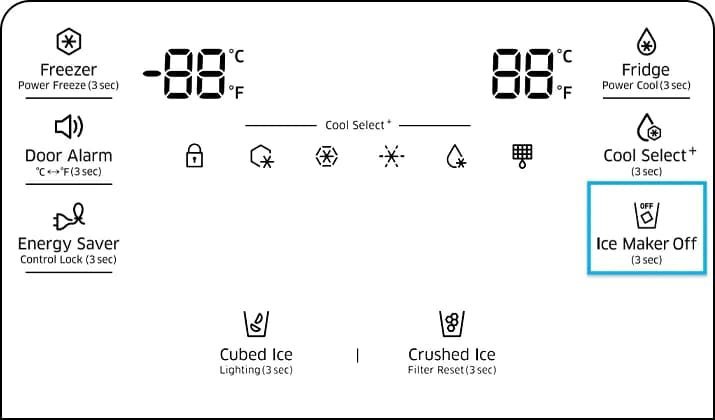
- Locate the digital control panel on the door or inside the compartment if no arm is visible, then press the “Ice On” or “Ice Maker” button until the indicator light illuminates.
- Confirm the water line is connected and the shut-off valve behind the refrigerator is fully open by turning the handle counter-clockwise.
- Wait for the unit to cycle, which typically takes six to 24 hours for the first batch of ice to form.
- Discard the first two or three batches of ice to ensure the system is flushed and clean, as advised by the EPA’s water safety guidance regarding the maintenance of home water delivery systems.
Tip: If your ice maker is in a new refrigerator, ensure all internal plastic ties and shipping foam are removed from the arm, as these prevent the sensor from resetting.
Tip: If you have a built-in water filter, check the display for a “Replace Filter” light; some newer smart fridges will disable the ice maker automatically when the filter reaches its capacity limit.
How long it takes
The time to produce ice depends on the freezer temperature and the initial water temperature.
| Situation | How long | What changes it | What to watch for |
|---|---|---|---|
| First cycle | 6–12 hours | Freezer temp | Frost buildup |
| Full bin | 24–48 hours | Door openings | Clumped ice |
| Power reset | 2–4 hours | Ambient heat | Water leaks |
If your ice maker still doesn’t produce ice after 48 hours, check the freezer temperature setting, as it must be at or below 0°F to function.
How to tell when it’s done
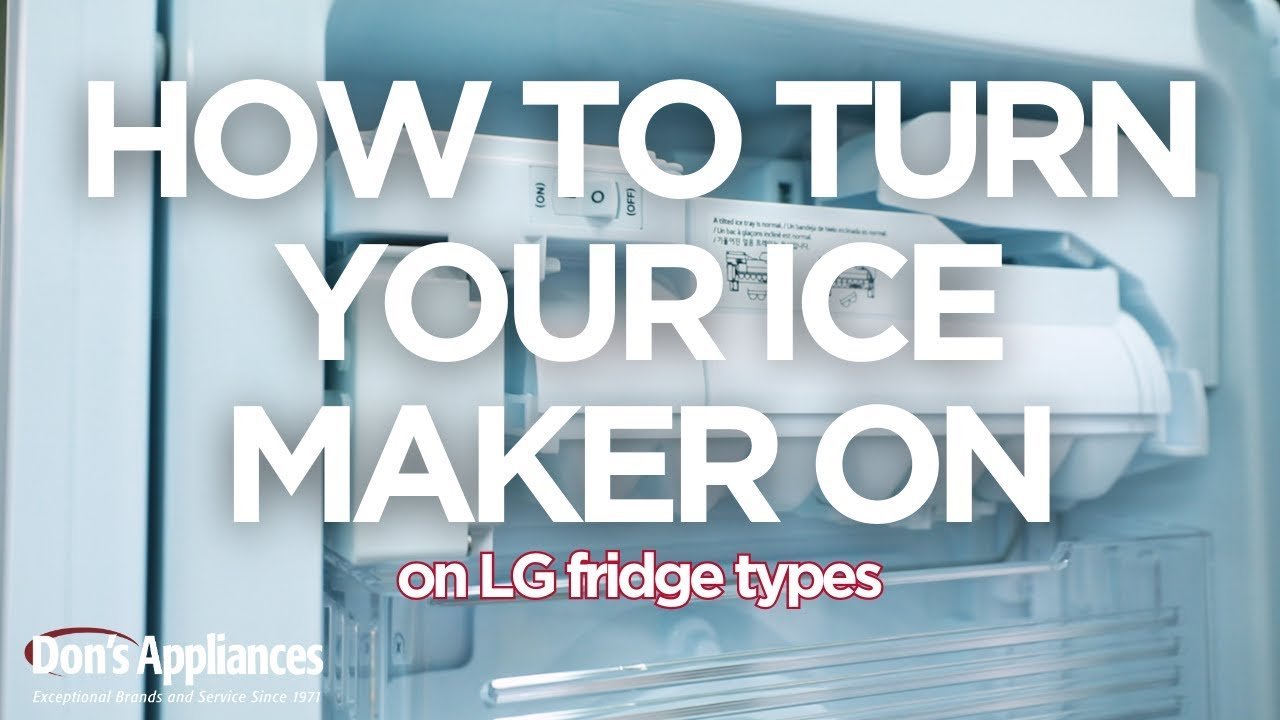
You know the system is working when you hear the mechanical “click” of the water valve opening, followed by the sound of water entering the mold. After the cycle, the ejector blades will push the cubes into the bin. You should see a fresh layer of ice forming within the tray if you look inside. If the arm is down but no ice forms, check that the bin is pushed all the way back into its slot, as a safety switch often prevents operation if the bin is slightly misaligned.
Mistakes that ruin it
- Forcing the wire arm: Trying to pull the arm up or down with excessive force can snap the plastic linkage, which is a permanent mechanical failure. Always move the arm gently until you feel the click of the internal switch.
- Overloading the freezer: Packing food items against the ice maker blocks the sensors and prevents the bin from sitting correctly, causing the unit to shut off. Keep at least two inches of space around the ice maker housing at all times.
- Ignoring a frozen water line: If the water supply line gets too cold or kinks, the ice maker will stay in a loop trying to call for water. If you hear a humming sound but get no ice, check for a kinked line behind the fridge before assuming the internal motor has failed.
Frequently asked questions
Can I turn on the ice maker if the water is off?
No, you should never turn on an ice maker if the water supply is disconnected. The ice maker may attempt to cycle without water, which can lead to unnecessary wear on the components.
Why is my ice maker light blinking?
A blinking light usually indicates a fault code or a bin sensor error. This varies by model — check the label inside your freezer door or your owner’s manual to see if the blink pattern corresponds to a specific issue like a jammed ejector or a faulty door switch.
How long does it take for the ice bin to fill up?
It typically takes 24 to 48 hours for an empty ice bin to fill completely. This assumes your freezer is set to the manufacturer’s recommended temperature of 0°F; if your freezer is set higher, the ice production rate will drop significantly because the thermostat won’t trigger the harvest cycle.
Is it safe to eat the first batch of ice?
No, you should always discard the first two or three batches of ice produced after installation or a long period of inactivity. These initial cycles serve to flush out any manufacturing dust or stagnant water that may have sat in the supply line during the shipping process.
What happens if I leave the ice maker on while the bin is full?
The ice maker will automatically stop producing ice once the bin is full. The wire arm or the infrared sensor detects the level of the ice and cuts the power to the motor, so there’s no risk of the bin overflowing as long as the sensor is clear.
Final Thoughts
Once you’ve activated the system, give your appliance about twenty-four hours to produce its first batch. It’s a good idea to discard the initial few cubes to ensure the water lines are fully flushed. You’ll be enjoying chilled drinks in no time, so keep an eye on the bin for steady production.
Related guides
Pingback: How to Use a Fridge Ice Maker: A Simple Step-by-Step Guide