How much is an ice maker machine? Prices start around $100 for a small countertop unit and reach over $5,000 for a commercial model. Price depends on production capacity, ice type, and plumbing requirements.
Ice Maker Machine Costs and Capacity
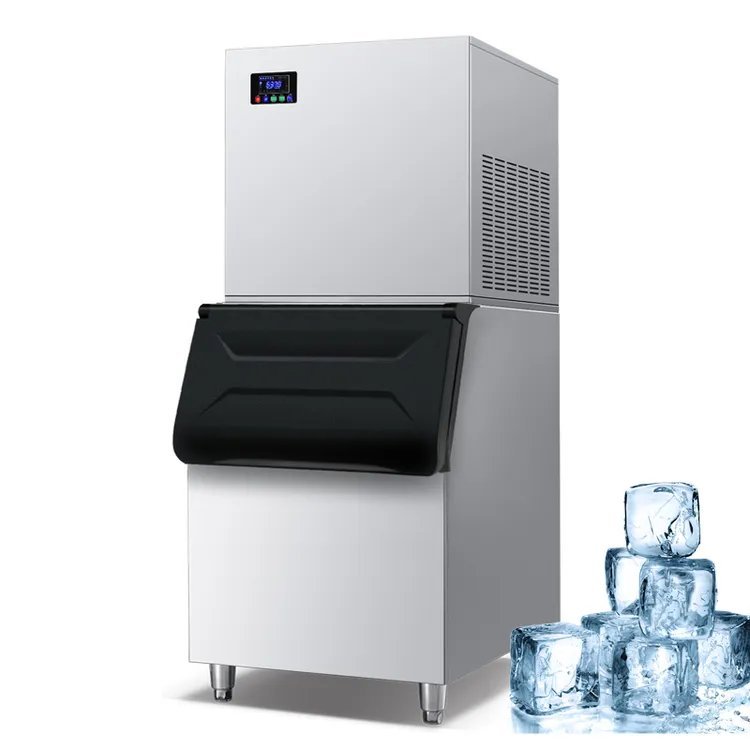
Ice makers are categorized by placement, daily harvest capacity, and cooling system. Countertop models work well for personal use, while heavy hospitality demands require large modular units with separate storage bins.
If you only host small gatherings, buy a portable countertop unit; if you run a busy restaurant, invest in a dedicated commercial modular machine.
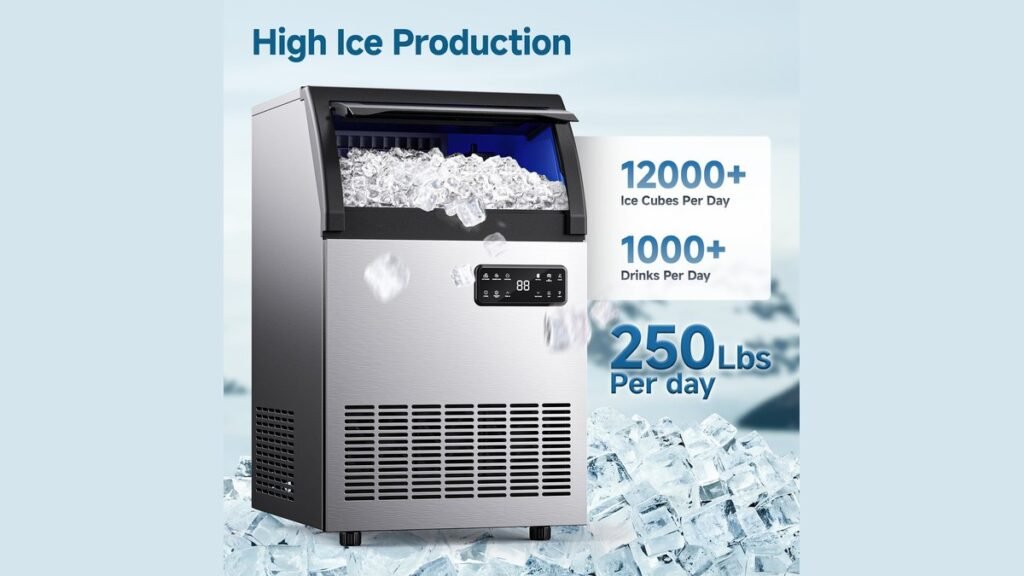
- Small countertop units cost between $90 and $250, producing 20 to 30 pounds of bullet ice per day without a water line.
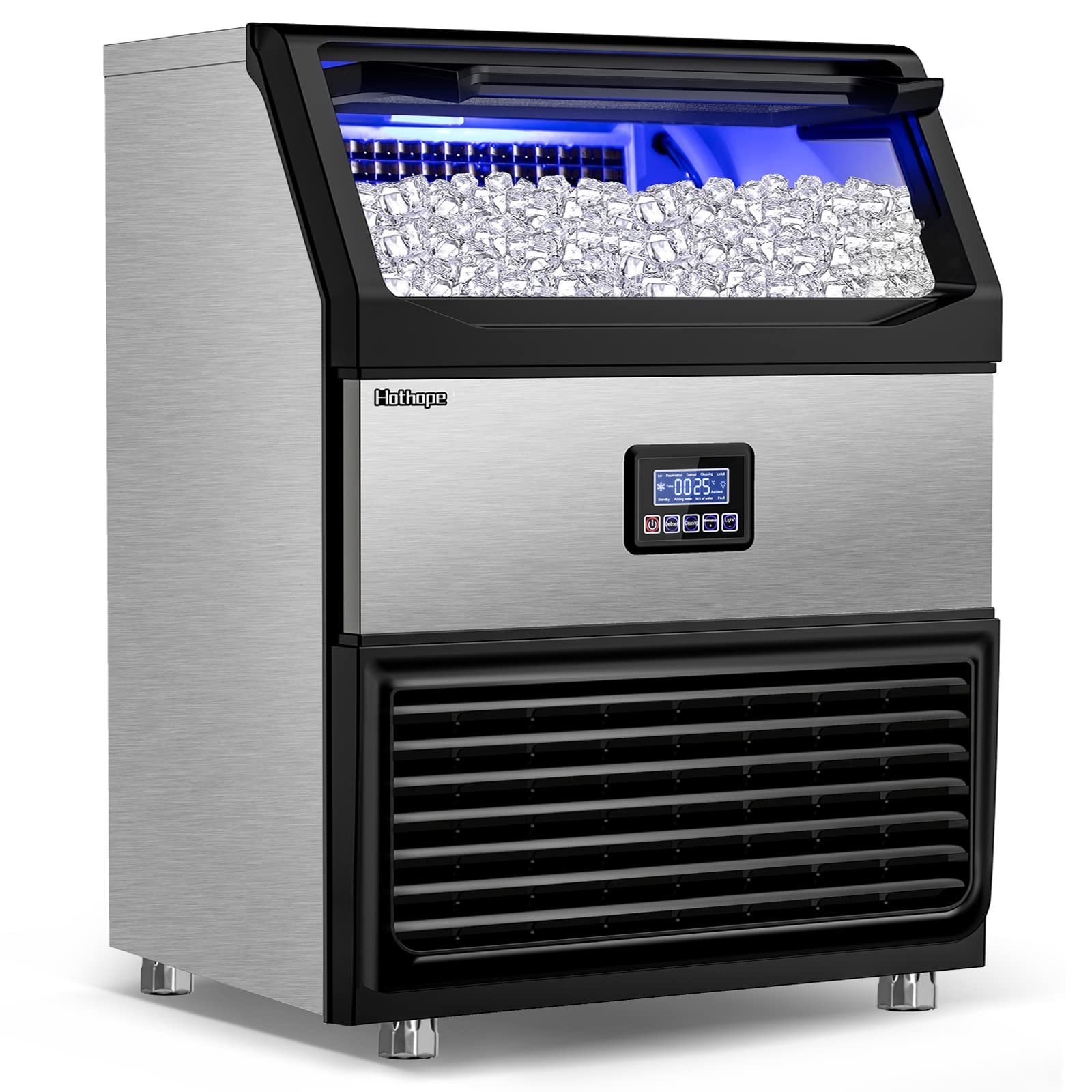
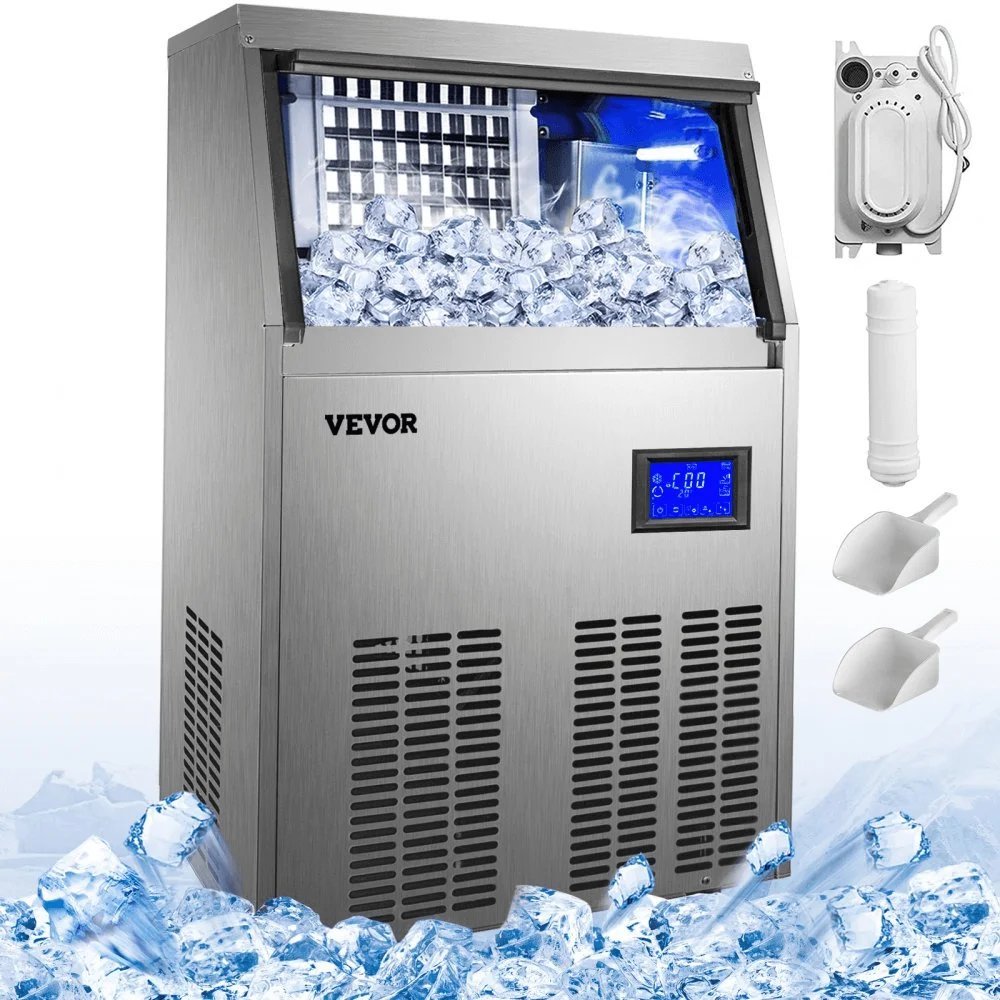
- Built-in undercounter machines range from $1,200 to $3,500 and yield 50 to 90 pounds of clear restaurant-style ice daily.
- Commercial modular ice heads run from $2,000 to $6,000, requiring a separate storage bin that adds another $600 to $1,800.
- Certified high-efficiency models carry an upfront premium of roughly 10% to 15%, but the official ENERGY STAR commercial ice makers program shows these units use significantly less electricity and water.
- Dedicated plumbing and dedicated 115V or 230V electrical installation typically add $200 to $800 to your total project bill.
Why Ice Machine Prices Vary So Widely
Evaporator design and refrigeration cycles drive the primary cost gap. Cheap portable makers use metal prongs dipped directly into a pool of water; the outer layer freezes rapidly, trapping dissolved air and minerals to create soft, white bullet ice.
Commercial-grade machines run water continuously over a vertical freezing grid while a pump circulates the flow. Pure water freezes at 32°F, while minerals and impurities stay dissolved in the moving stream until a purge valve flushes them away. This process requires a heavier compressor, custom copper refrigeration lines, and electronic water solenoids.
Material choices also alter the price. Food-grade 304 stainless steel resists corrosion from chlorine and acidic sanitizers, but it costs far more to build than the thin ABS plastic housings used on entry-level models. Built-in undercounter units also require active drain pumps or specialized thermal insulation so cubes don’t melt immediately in ambient room heat.
Ice Machine Price Comparison by Type
A standard home kitchen needs far less freezing power than a commercial kitchen or a hospital floor. The table below outlines price ranges, expected outputs, and realistic running conditions across the major equipment types.
| Situation | What changes | What to do instead |
|---|---|---|
| Personal kitchen counter | Low output, manual water refill | Spend $100-$200 on portable bullet unit |
| Outdoor bar or patio | High ambient summer heat | Buy an outdoor-rated $1,500+ undercounter unit |
| Cocktail lounge demand | Needs clear, slow-melting cubes | Choose a gourmet cube machine for $2,000 |
| Healthcare facility | Requires touchless sanitary dispensing | Pick a nugget dispenser around $3,500 |
| High-volume restaurant | Needs 500+ pounds daily | Install a modular head and bin for $4,500 |
| Hard water supply area | Scale builds up on components | Add a $150 external filtration cartridge |
How to Choose the Right Model
Buying the wrong size or wrong cooling system causes high repair bills and warm drinks. Follow these steps to balance your needs against your budget.
- Measure your daily ice use by counting 1.5 pounds per seat for food service, or 5 pounds per guest for a home gathering.
- Check your cabinet or floor clearance, ensuring at least two inches of open space around all air vents for proper airflow.
- Inspect your plumbing access to confirm whether you have a cold-water supply shutoff valve within six feet of the location.
- Verify if your floor drain sits below machine level; if not, add an internal condensate removal pump to your purchase.
- Review your wall outlet rating to confirm whether the model draws standard 15-amp 115-volt power or requires a dedicated 208-volt line.
- Compare brand warranty sheets, choosing machines that cover compressor parts and labor for at least three full years.
- Budget an extra $100 to $200 for an external scale-inhibiting water filter to keep warranty coverage valid.
Buying and Installation Mistakes
Skipping a water filter in hard-water areas is a common mistake.
Placing indoor-rated machines on unshaded patios is another frequent blunder. When temperatures rise above 90°F, heat exchange stalls, cutting production in half while the compressor runs constantly.
Owners also forget about drainage. Ice makers don’t freeze storage bins; cubes melt, so units without a gravity drain or pump can ruin cabinetry with standing water.
Finally, don’t buy a water-cooled condenser for a standard home or small office. While water-cooled units run quietly, they waste hundreds of gallons of tap water monthly, increasing utility bills.
Frequently asked questions
Can a countertop ice maker run all day?
Yes, you can leave it powered on continuously. The machine detects when the internal collection basket is full, shuts off freezing automatically, and restarts after ice melts back into the reservoir to maintain a full basket.
Why are clear ice makers more expensive?
Clear ice makers cost more because they use vertical copper freeze plates, circulating water pumps, and motorized harvest cycles. This design separates trapped minerals from the water, unlike cheap machines that freeze standing water on cold metal fingers.
How much does it cost to run an ice maker?
Running a portable ice maker typically costs $2 to $5 per month in residential electricity. Large commercial undercounter machines generally cost between $15 and $35 each month in electric power, depending directly on local utility tariffs.
Is it safe to drink water from an old ice maker?
No, it’s unsafe without thorough cleaning and sanitizing first. Dark, damp lines collect mold, algae, and mineral scale, so you must flush the interior lines using an EPA-approved nickel-safe cleaner before consuming any harvested ice.
How long does a home ice maker machine last?
A quality home ice maker lasts roughly five to ten years with regular maintenance. Lifespan varies by model—check the manufacturer’s manual—and depends heavily on cleaning mineral scale out of the internal lines according to the manufacturer’s recommended schedule.
Does an ice maker keep ice frozen forever?
No, standard countertop and undercounter ice machines don’t run freezer plates in their bins. The collection area is insulated like a cooler, allowing the cubes to slowly melt and drain away so fresh ice can replace them.
Ice maker, in short
Setting up the right ice maker comes down to matching your daily poundage to the room where the machine lives. Always inspect your local water hardness and measure drain heights before you place an order, as simple installation oversights quickly erase the savings on a bargain unit.
Related guides