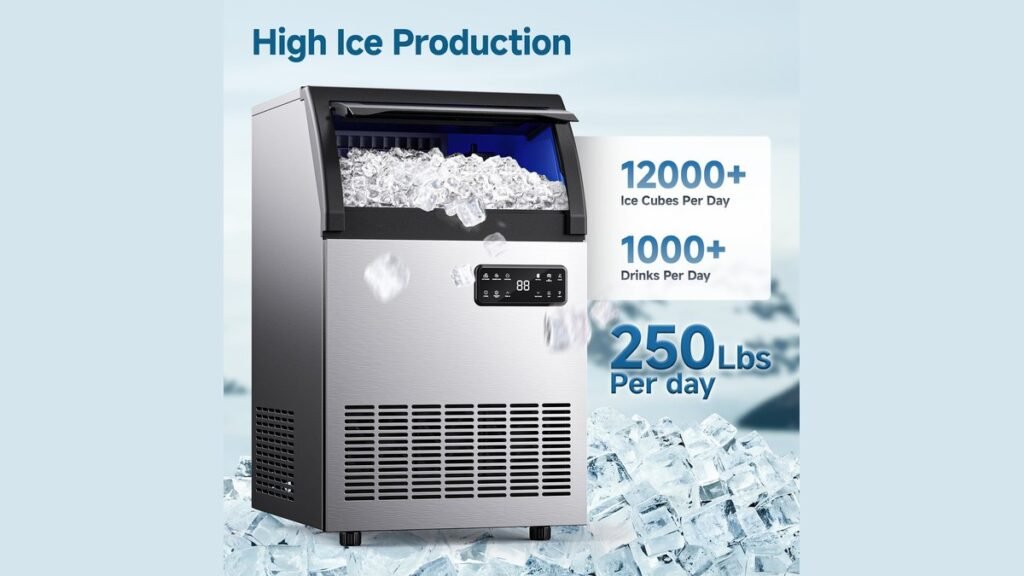
Small portable ice machines usually cost between $100 and $200, while commercial ice machines vary from $2,000 to $6,000 depending on output capacity. Prices change based on the daily ice production volume, the cooling method, and the build material.
How much are ice machines? A quick pricing guide
- Countertop portable models typically range from $120 to $250 for home use.
- Under-counter residential machines often cost between $800 and $2,500 based on features.
- Commercial modular machines start at $2,000 and rise quickly with higher production capacity.
- Installation adds $500 to $1,500 to the total cost for professional plumbing and electrical work.
- Energy efficiency ratings significantly impact the final price of professional-grade units.
- Stainless steel finishes cost about 20% more than standard plastic or enamel exteriors.
Why costs vary by machine type
The primary driver of price is the total weight of ice a machine produces in a 24-hour period. Manufacturers design small machines for occasional home use, which keeps parts simple and cheap. These units often use air-cooled systems that are easy to install but less efficient in hot rooms. Professional machines use heavy-duty compressors and complex water filtration systems to ensure high output and sanitation. Choosing an efficient model saves on long-term utility bills even if the upfront cost is higher.
Internal components also dictate value. A commercial machine includes a high-grade evaporator plate that resists mineral buildup, while cheaper models require frequent manual descaling to prevent failure. If you need a machine that runs continuously, you must pay for a model with a stainless steel cabinet and a high-capacity pump. This level of durability isn’t necessary for a unit that only runs during weekend events.
Differences in price factors
| Situation | What changes | What to do instead |
|---|---|---|
| High volume | Price increases | Buy modular units |
| Built-in look | Installation cost | Hire professional plumber |
| Hard water | Maintenance costs | Add water filters |
| Quiet operation | Manufacturing cost | Choose air-cooled models |
| Remote cooling | Complexity | Use standard units |
Proper installation and setup steps
- Measure the intended space, ensuring at least six inches of clearance on all sides for proper heat exhaust and airflow.
- Connect the machine to a dedicated electrical outlet to prevent circuit overloads, which can damage the compressor and void warranties.
- Install a water filtration system if your local supply has high mineral content to prevent scale buildup on the evaporator.
- Level the machine using a spirit level on all four corners to ensure water flows correctly into the ice mold.
- Run a full cleaning cycle with a manufacturer-approved descaling solution before making the first batch of ice for human consumption.
- Wait at least six hours after moving the unit before plugging it in to allow the refrigerant oils to settle properly.
- Check the drain line for any kinks or upward loops, as gravity-fed drains must slope downward to prevent water backflow.
Mistakes that destroy your investment
- Using distilled water in machines that require minerals for the sensors to detect water levels can cause the unit to report an error.
- Installing the unit in a non-climate-controlled garage often forces the compressor to run constantly, leading to premature motor burnout.
- Failing to clean the condenser coils every three months causes the machine to lose efficiency and doubles the cooling time.
- Ignoring the manufacturer’s recommended water pressure range can cause internal leaks that ruin the delicate electronic control boards.
Does a portable ice machine require a water line?
No, portable ice machines don’t need a water line because they feature a manual reservoir that you fill with bottled or tap water. You simply pour the water into the basin, select your size, and wait for the cycle to start.
How long does an ice machine last?
Most residential units last three to five years with daily use, while commercial-grade machines often last ten years or more with regular professional maintenance. This varies by model — check the label for the expected duty cycle and the manufacturer’s warranty terms.
Is it safe to use tap water in my machine?
Yes, you can use tap water, but using filtered water is better because it reduces mineral buildup inside the machine. If you have hard water, you should use a secondary filter to avoid frequent descaling and protect the internal pump components.
What happens if I move the unit immediately after delivery?
Moving the unit and plugging it in immediately can damage the compressor because the coolant oils haven’t settled in the lines. You should always let the machine sit upright for at least six hours before turning it on for the first time.
Can I leave my ice machine on all the time?
Yes, most machines are designed to run continuously, but you must ensure the unit has enough airflow to prevent overheating. If the machine is in a small closet, you must provide ventilation or it will shut down to protect the electrical parts.
What is the difference between air-cooled and water-cooled?
Air-cooled machines use fans to dissipate heat, while water-cooled units use water to carry heat away from the condenser. Air-cooled units are much cheaper to install but require more room, whereas water-cooled units are quieter and work well in hot spaces.
Always check the manufacturer’s manual for the specific water pressure requirements and cleaning schedule of your chosen model. Following these simple steps ensures you get the most value out of your purchase while keeping your ice supply clean and consistent for years to come.