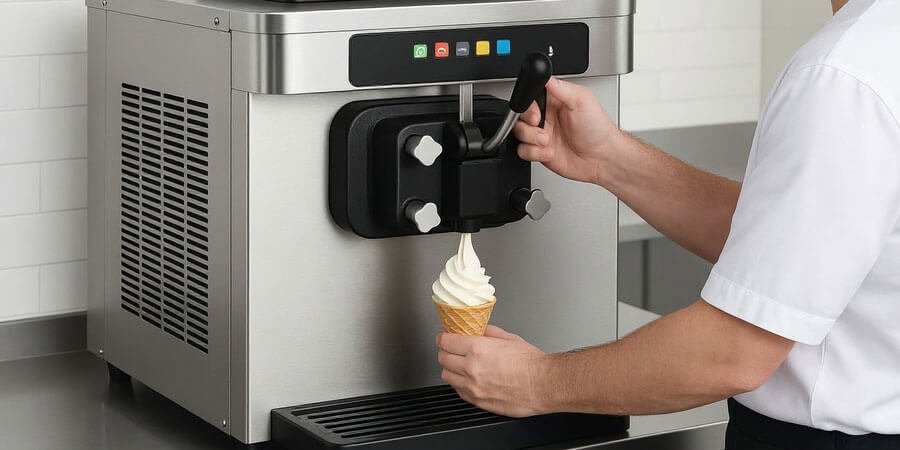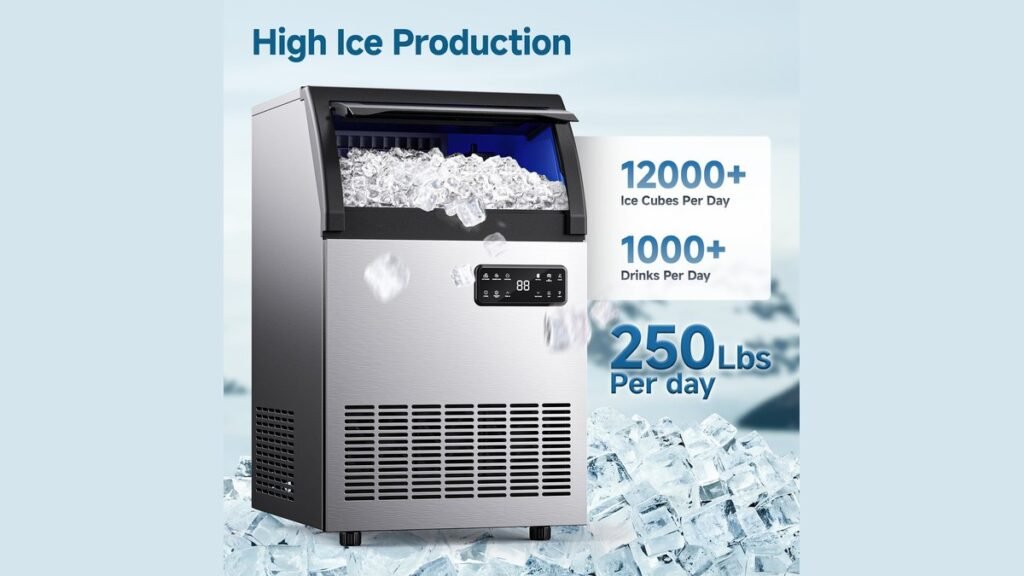
A small, countertop ice machine for home use typically costs between $100 and $250, while a professional-grade commercial unit can range from $1,500 to $5,000 or more. Because the price of an ice machine varies based on production capacity and cooling technology, you must choose based on your daily volume.
The most important factor is your daily output requirement. If you only need ice for an occasional drink, a small portable unit is enough. If you’re running a business or hosting large events, you need a high-volume unit that connects to a water line. The most common mistake is buying a portable unit for a permanent space; these units aren’t insulated and must be emptied constantly, which creates a significant inconvenience for the user.
Steps for selecting and installing a unit
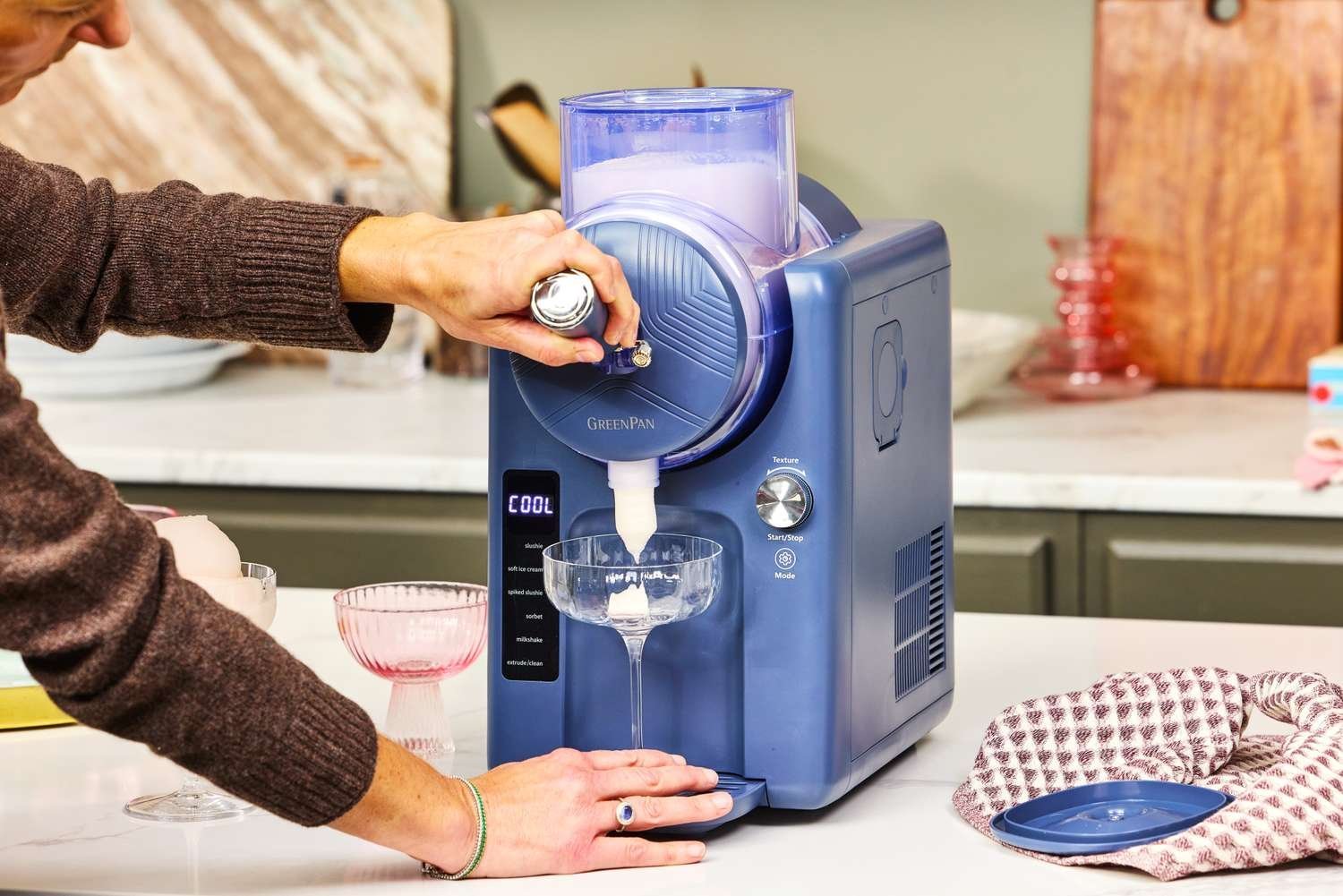
- Calculate your daily ice needs in pounds, as most manufacturers rate their equipment by how many pounds of ice it produces in 24 hours.
- Choose between a portable model that you fill with water manually or a plumbed model that requires a permanent water supply line.
- Check the space requirements, ensuring you leave at least 6 inches of clearance on all sides for proper airflow to the condenser.
- Clean the internal reservoir with a mixture of one part white vinegar to ten parts water before the first use.
- Connect your unit to a dedicated electrical outlet to prevent tripped breakers, especially if the machine draws more than 10 amps of power.
- Install a water filter if you’re using a plumbed system, as mineral buildup from hard water can damage the internal components over time.
Tip: If you’re buying a commercial unit, professional installation is required to ensure the drain and water lines meet local plumbing codes and ENERGY STAR commercial ice machine requirements.
Estimated time for installation and setup
Installing a new ice maker varies depending on whether it’s a simple plug-in model or a permanent fixture that requires plumbing. A portable unit is ready to use in under an hour, while a plumbed unit requires more preparation.
| Situation | How long | What changes it | What to watch for |
|---|---|---|---|
| Portable countertop | 30 minutes | Need to sanitize | Ensure level surface |
| Under-counter plumbed | 3-5 hours | Plumbing access | Check for leaks |
| Commercial bin unit | 4-8 hours | Electrical wiring | Proper drainage slope |
If your plumbed unit takes longer than a few hours to install, check your water line pressure; if the pressure is too low, the valve won’t open correctly.
Verifying machine performance
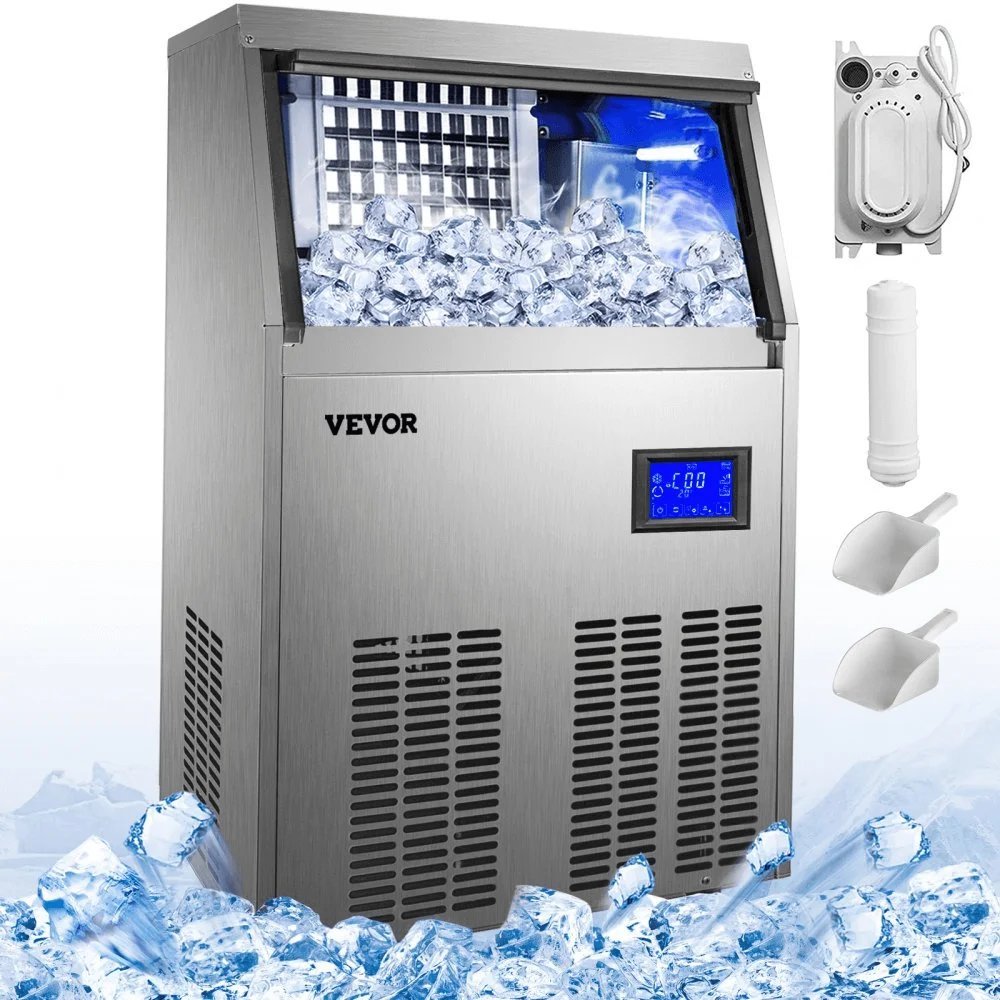
You can confirm the unit is working by checking the first batch of ice. A healthy machine produces clear, uniform cubes; if the cubes are cloudy or misshapen, the water quality is poor or the cooling cycle is running too fast. Listen for the sound of the pump and the harvest cycle, which should be consistent and rhythmic. If the machine runs constantly without dropping ice, the ambient temperature in the room may be too high. The U.S. Food and Drug Administration provides guidelines on food safety, noting that ice machines must be kept clean to prevent bacterial growth in the water reservoir.
Mistakes that ruin performance
- Ignoring ventilation space: Placing a unit inside a tight cabinet prevents heat from escaping, which causes the compressor to overheat and fail prematurely. Always ensure the manufacturer’s recommended clearance is maintained on all sides.
- Using tap water with high mineral content: Hard water creates scale buildup on the evaporator plate, which slows down ice production and ruins the pump. Use a water softener or a filtration system to keep the internal parts clean.
- Overfilling the reservoir: Adding more water than the marked maximum line causes leaks and can cause water to enter the electrical housing. Always follow the specific fill line indicated inside the machine’s reservoir.
Frequently asked questions
Can I leave my ice machine on all the time?
Yes, most machines are designed to run continuously, but you must ensure the bin is emptied regularly. If the bin stays full for too long, the ice will melt and refreeze into a solid block, which can damage the sensor or the mechanical arm that detects bin fullness.
Why is my ice machine making small or soft ice?
This usually happens because the machine is in a room that’s too hot or the condenser coils are blocked by dust. If the air around the unit is above 90 degrees Fahrenheit, the cooling system can’t pull enough heat away to freeze the water into solid, hard cubes.
How often should I clean the machine?
You should deep clean the machine every 3 to 6 months to prevent scale and mold.
Is it safe to use the first batch of ice?
No, you should discard the first batch of ice produced by a new machine. This first cycle often picks up manufacturing dust or loose particles from the internal tubing, so running a full cycle and throwing it away ensures the system is flushed and sanitary for use.
What happens if the power goes out?
The machine will stop producing ice and the existing ice in the bin will begin to melt. Once power returns, most units restart automatically, but you should check the reservoir for any water that may have leaked or spilled during the power interruption before turning it back on.
How much electricity does it use?
A small portable unit typically uses between 100 and 200 watts per hour while actively freezing. If your electricity costs are high, check the energy label on the back of the unit; this figure represents the power draw when the compressor is running, which varies based on room temperature.
Conclusion
Choosing the right equipment depends on your specific volume needs. By considering your available space, water source, and daily usage, you can select a machine that provides reliable service for years. Always prioritize proper ventilation and regular cleaning to extend the life of your investment.
Related guides