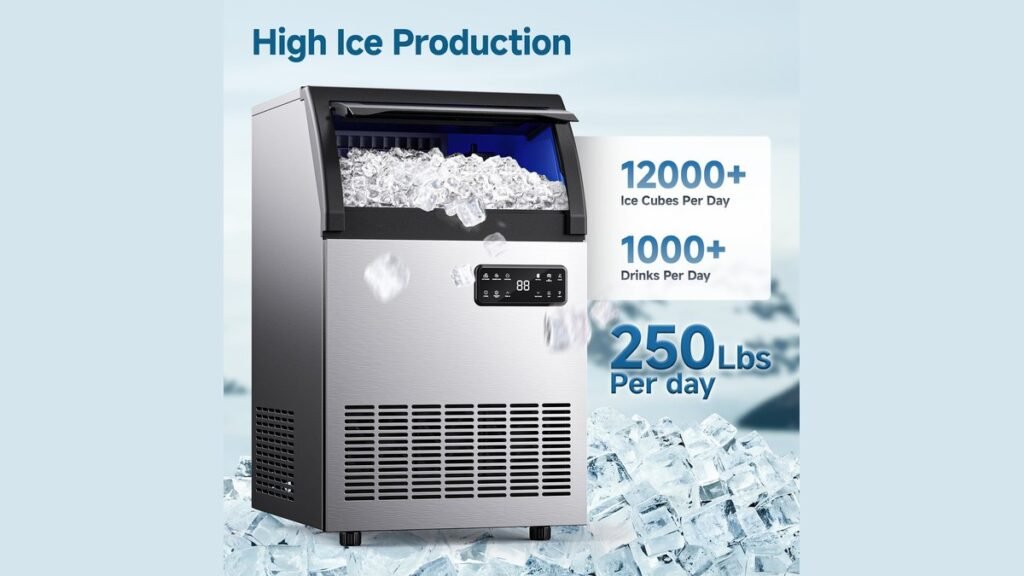
You’ll pay between $200 and $6,000 for an ice machine depending on whether you choose a portable unit for home use or a high-capacity commercial system. The final price depends heavily on your daily production needs.
Essential Ice Machine Buying Factors
- Countertop portable models typically cost between $150 and $400 for standard residential use.
- Under-counter residential machines range from $1,000 to $3,500 based on capacity and finish.
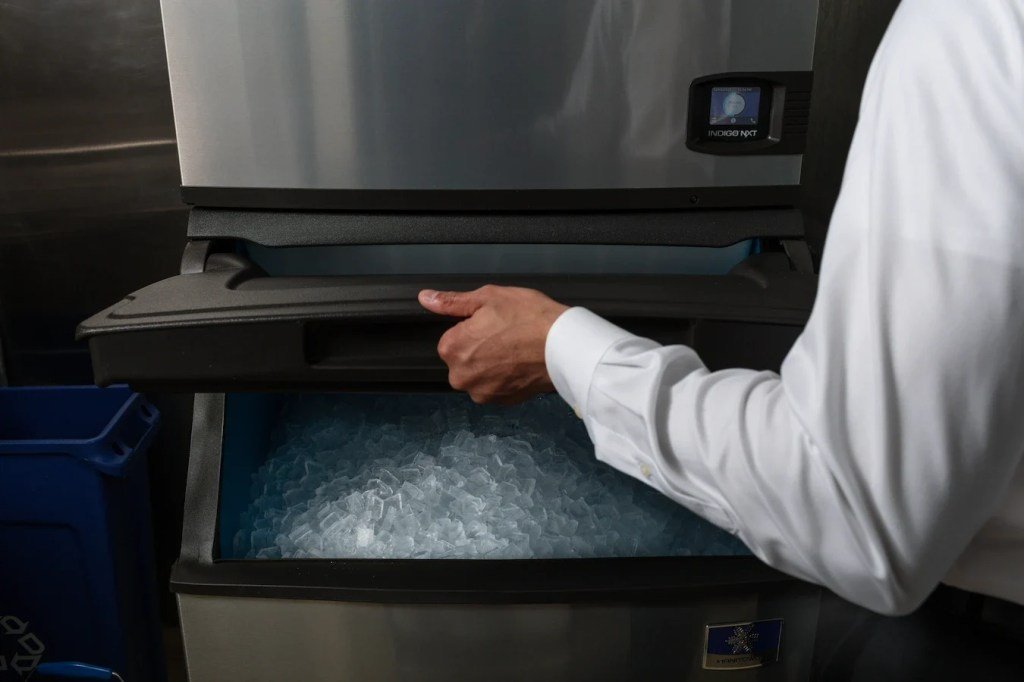
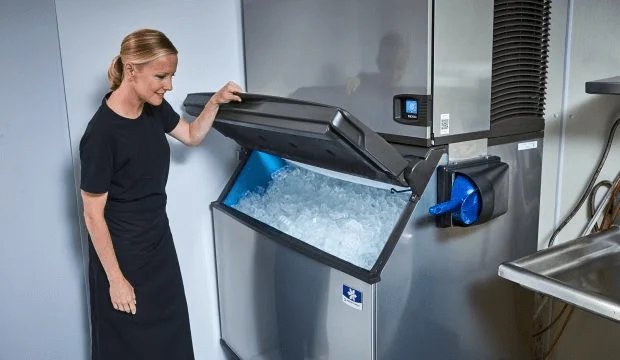
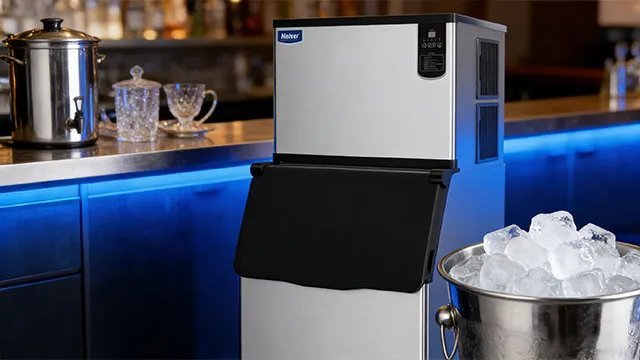
- Modular commercial ice heads cost $2,500 to $6,000, excluding the separate storage bin or dispenser.
- Installation costs add $500 to $1,500 if you need new plumbing or electrical lines installed.
- Water filtration systems add $150 to $500 to the total cost to ensure machine longevity.
- High-end specialty units producing clear, gourmet cubes often start at $3,000 for home kitchens.
Why Quality and Capacity Dictate Price
The primary driver of cost is the internal technology used to freeze water and the volume of output required. Low-cost portable units use small compressor-based cooling systems, which are efficient but produce “wet” ice that melts quickly. In contrast, professional-grade machines feature robust compressors and precise water-cycling systems that create dense, long-lasting ice. If you’re looking for long-term reliability, you must check the ENERGY STAR commercial ice machine list to find models that lower your utility bills over time.
Commercial units also include complex sensors to prevent scale buildup, which is a major expense for owners in areas with hard water. A machine designed for a busy restaurant must handle hundreds of cycles daily, whereas a home unit is intended for intermittent use. This difference in build quality determines whether the machine lasts three years or fifteen years. Always review the manufacturer’s technical specifications for the expected daily output to ensure you aren’t overpaying for capacity you don’t need.
How Much for an Ice Machine: Factors Affecting Cost
| Situation | What changes | What to do instead |
|---|---|---|
| Hard water supply | Scale buildup risk | Install water softener |
| Professional kitchen | High daily volume | Buy modular system |
| Home bar area | Space limitations | Use under-counter model |
| Frequent travel | Portability requirement | Buy countertop unit |
| Outdoor patio | Temperature tolerance | Choose outdoor rated |
Steps to Install Your Ice Machine
- Measure your available space precisely, leaving two inches of clearance on all sides for the necessary airflow to keep the compressor cool.
- Verify your water supply pressure is between 20 and 80 psi; if it’s higher, you must install a pressure-reducing valve to prevent leaks.
- Connect the supply line using a dedicated shut-off valve so you can easily service the machine without turning off water to the building.
- Install a high-quality water filter between your main line and the machine to remove sediment that can clog the internal spray nozzles.
- Level the machine using the adjustable feet; an unlevel unit causes uneven ice formation and can lead to internal mechanical stress and damage.
- Plug the unit into a dedicated grounded outlet, ensuring the circuit matches the voltage requirements listed on the manufacturer’s data plate.
- Run the initial cleaning cycle as directed in the manual to flush out any manufacturing residue before you use your first batch of ice.
Common Mistakes That Ruin Efficiency
- Placing the machine near an oven or heater forces the compressor to work harder, which significantly shortens the lifespan of the motor.
- Failing to clean the condenser coils regularly causes the unit to overheat and increases your monthly electricity consumption.
- Using a standard water hose instead of an approved food-grade line can introduce plastic odors and harmful chemicals into your ice supply.
- Ignoring the “filter change” light leads to scale buildup, which can negatively impact performance and may affect warranty coverage.
Can I install an ice machine myself?
Yes, you can install a basic portable or under-counter unit yourself if you have basic plumbing skills. However, if you’re connecting a permanent commercial unit, hire a licensed professional to ensure the drain and electrical lines meet local building codes.
How much does it cost to run an ice machine?
Expect to pay between $20 and $60 per month in electricity and water costs for a standard commercial unit. This varies by model — check the label for the specific energy consumption rating to get a more accurate monthly estimate.
Is it safe to use tap water?
Yes, it’s safe to use tap water, provided the water meets local safety standards for drinking. You should always use a high-quality inline water filter to remove impurities that affect the taste and clarity of the ice cubes.
How often should I clean the machine?
You should clean your ice machine every three to six months to prevent mold and mineral buildup. If you live in an area with very hard water, you may need to perform a deep descaling process more frequently as recommended by the manufacturer.
What happens if the power goes out?
The ice inside the storage bin will begin to melt into the drain pan once the temperature rises. Most modern machines include insulation that keeps the ice frozen for several hours, but you must empty the bin if the outage lasts longer.
Does the machine need a drain?
Yes, all professional and under-counter ice machines require a gravity or pump drain to remove melted ice water. If you can’t reach a floor drain, you must purchase a unit with a built-in drain pump to move water to a distant sink.
Proper maintenance is the best way to protect your investment. By following the cleaning schedule and using a water filter, you ensure your ice remains clean and your machine functions efficiently for many years of daily use.
Ice machine, in short
Think about where you’ll place the unit before you start shopping. You’ll need a spot with easy access to a water line and a standard power outlet to get everything running smoothly. Once you’ve cleared that space, you’re ready to pick the perfect model that fits your daily routine.