To determine how to buy a commercial ice machine, you must first calculate your daily ice needs in pounds and verify your kitchen’s available water pressure and electrical capacity. This guide helps you navigate the technical specifications, installation requirements, and capacity planning necessary to choose the right unit for your business.
What a commercial ice machine is
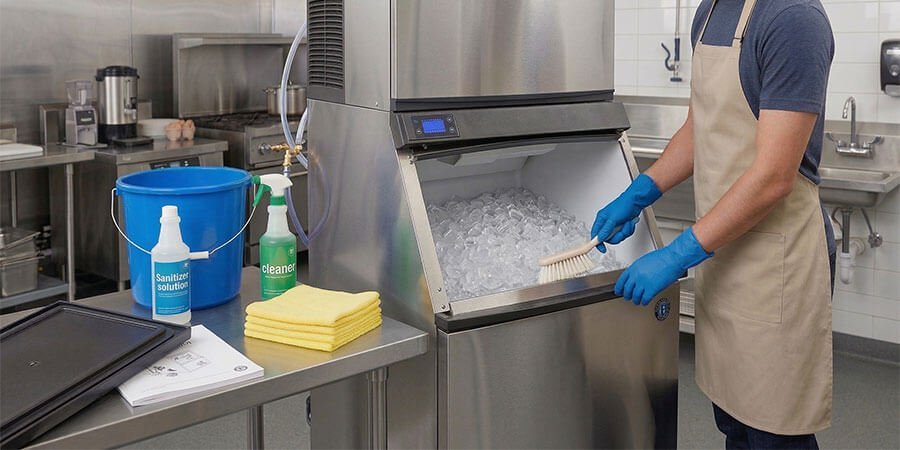
A commercial ice machine is a specialized cooling unit designed to produce high volumes of ice for food service or hospitality. These machines are built for durability and continuous operation, unlike standard residential units. They’re intended for business owners who require consistent, sanitary ice production for drinks, food preservation, or medical use. An oversized unit leads to excessive energy costs and wasted space. Select a model based on peak hourly demand to ensure you never run out during busy shifts.
How to Buy a Commercial Ice Machine: Selection Steps
- Estimate your daily ice usage by multiplying the number of customers by the average ice amount per drink, typically 0.5 to 1 pound per person.
- Check your site’s electrical supply; most units require a dedicated 115V or 208-230V circuit, and you should check the manufacturer’s specification sheet for exact amperage requirements.
- Measure your available floor space, including clearance for airflow, as most air-cooled units require 6 inches of space on all sides to prevent overheating.
- Test your water hardness; if it exceeds 7 grains per gallon, install a water filtration system to prevent scale buildup that voids warranties.
- Select the ice shape—cube, nugget, or flake—based on your primary use, such as soft drinks, mixed cocktails, or food displays.
- Verify the machine meets ENERGY STAR commercial ice machine standards to ensure lower utility costs over the life of the product.
If your electrical or plumbing setup doesn’t meet the manufacturer’s requirements, you must hire a licensed professional to upgrade your infrastructure.
Performance Requirements at a Glance
| Situation | Type to Use | Capacity Range | What to Watch For |
|---|---|---|---|
| High-volume drinks | Cube machine | 300-1000 lbs/day | Bin capacity |
| Health care/chewable | Nugget machine | 200-500 lbs/day | Maintenance access |
| Fish/produce display | Flake machine | 400-800 lbs/day | Drainage speed |
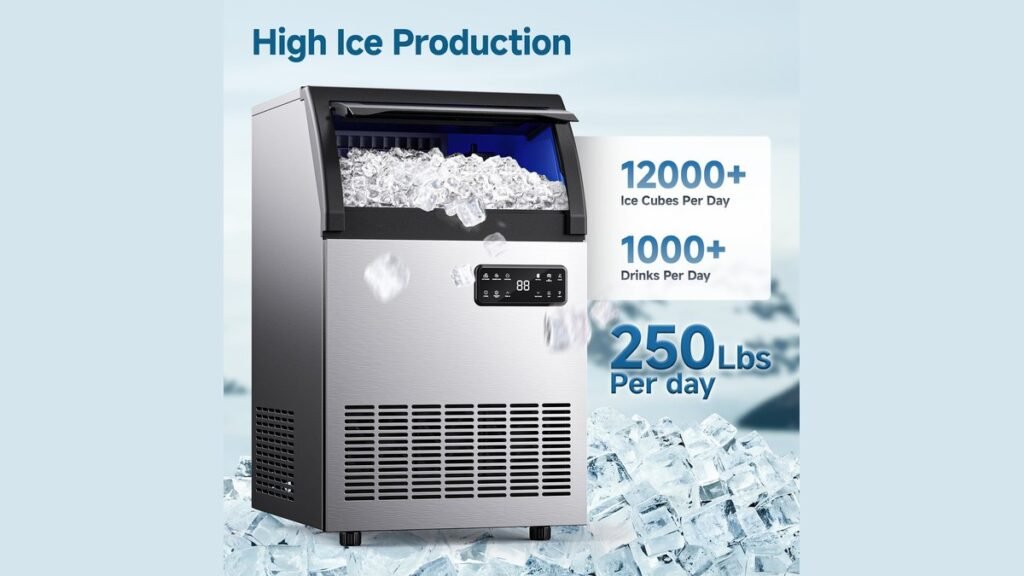
| Small cafe | Undercounter | 50-250 lbs/day | Height clearance |
| Large catering | Modular unit | 1000+ lbs/day | Water pressure |
Factors Influencing Success
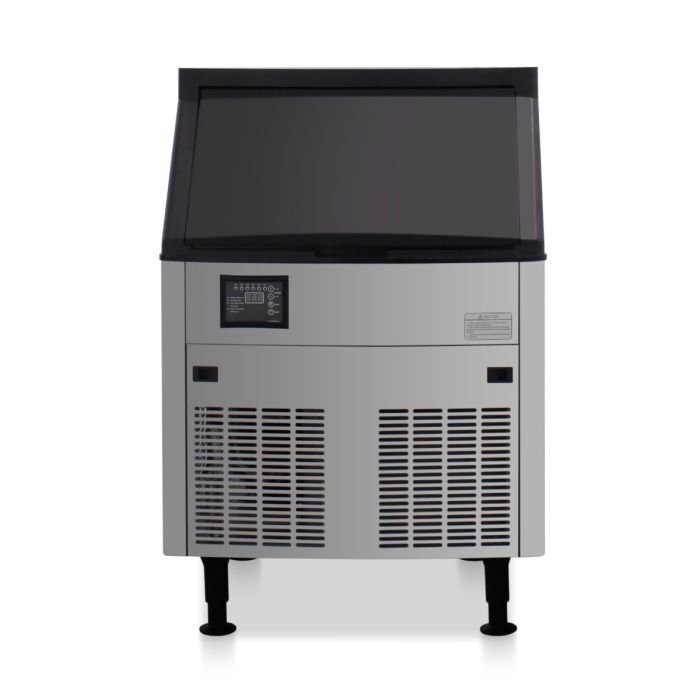
Experienced operators prioritize the placement of the unit to ensure the condenser receives cool air. If you place the machine near a hot oven or a dishwasher, the production rate will drop significantly. Leave space for technicians to access components for cleaning and filter changes.
The order of operations is also critical. Always finalize your utility connections before you order the machine. Check the manual for the required water pressure, usually 20 to 80 PSI, for proper valve function.
Common Operational Issues
| What you notice | What it usually means | What to do first |
|---|---|---|
| Slow ice production | Dirty air filters | Clean or replace filters |
| Cloudy or soft ice | Water filter saturation | Replace the filter cartridge |
| Machine won’t start | Tripped breaker | Check the electrical panel |
| Leaking water | Clogged drain line | Clear the drain hose |
Regulations and Compliance
Commercial ice machines must comply with local health department codes regarding sanitation and drainage. In the United States, equipment used in food service must be certified by an organization like the NSF to ensure it’s cleanable and safe for human consumption. Check local municipal codes regarding air gap requirements for drains to prevent backflow contamination.
Maintenance and Long-term Care
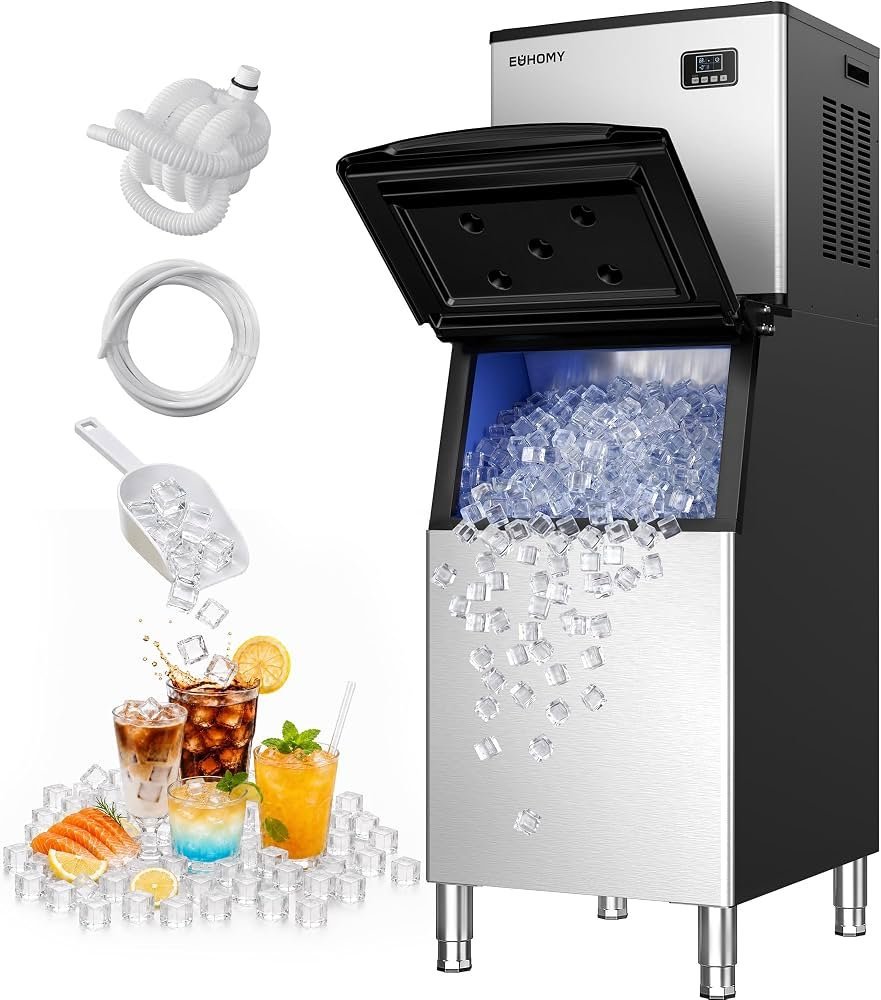
Once installed, clean your ice machine every 3 to 6 months to prevent mineral buildup and bacteria growth. Use only the manufacturer-approved cleaning solution, as harsh chemicals can corrode the nickel plating on the evaporator plate. If idle for over a week, turn off the water supply and sanitize the bin before restarting. A well-maintained unit should perform reliably for years, but watch for scale, which forces the compressor to work harder.
Alternatives to Buying
If your ice needs are seasonal or you lack the capital for a new machine, consider leasing. Leasing often includes maintenance and repairs in the monthly fee, which protects you from unexpected service costs. If you only need ice for a one-time event, renting a portable unit or buying ice from a local supplier is more cost-effective than purchasing permanent equipment that will sit unused for most of the year.
How much ice do I need per seat?
You should plan for 0.5 pounds of ice per drink for a restaurant and 1.5 pounds per seat for a hotel to ensure you cover peak demand times.
Is it safe to install the machine myself?
No, you should use a licensed plumber and electrician because incorrect installation often voids the manufacturer’s warranty and can lead to water damage or electrical shorts in your facility.
How often do I need to change the water filter?
You should change the water filter according to the manufacturer’s recommended schedule or when you notice a decrease in water flow.
What happens if the kitchen is too hot?
If the room temperature rises above 90°F, your ice machine will struggle to reject heat, leading to a significant drop in daily output and higher electricity consumption.
Can I put the machine in a closet?
No, you can’t enclose the machine without active ventilation, as the unit requires constant airflow to function; without it, the compressor will overheat and fail within months.
How long does a commercial ice machine last?
With proper maintenance and regular filter changes, you can expect a commercial ice machine to last 7 to 10 years in a standard food service environment.
The choice of an ice machine requires a careful balance between your physical space, utility capacity, and the specific volume of ice your operation demands on its busiest day. By sizing the unit correctly and committing to a strict cleaning schedule, you ensure that your investment provides reliable service without unexpected downtime.
Related guides