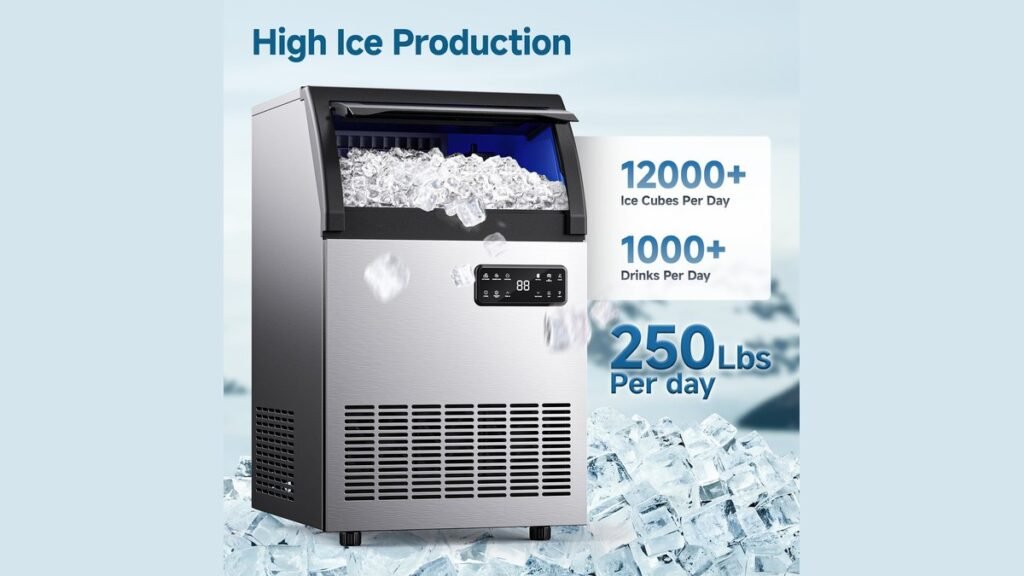
A home ice machine costs between $200 and $600 for countertop models, while commercial units typically range from $2,000 to $6,000 depending on output capacity. Because ice machine costs vary by technology and daily yield, you should balance your daily consumption needs against your available kitchen or utility space.
Buying and installing your machine
The most important factor is matching your daily ice usage to the machine’s production rating. Most people make the mistake of buying based on the storage bin size rather than the 24-hour production rate, which leads to running out of ice during events. You must also consider whether you need a dedicated water line or if a manual-fill reservoir model fits your lifestyle.
Steps for selecting your unit
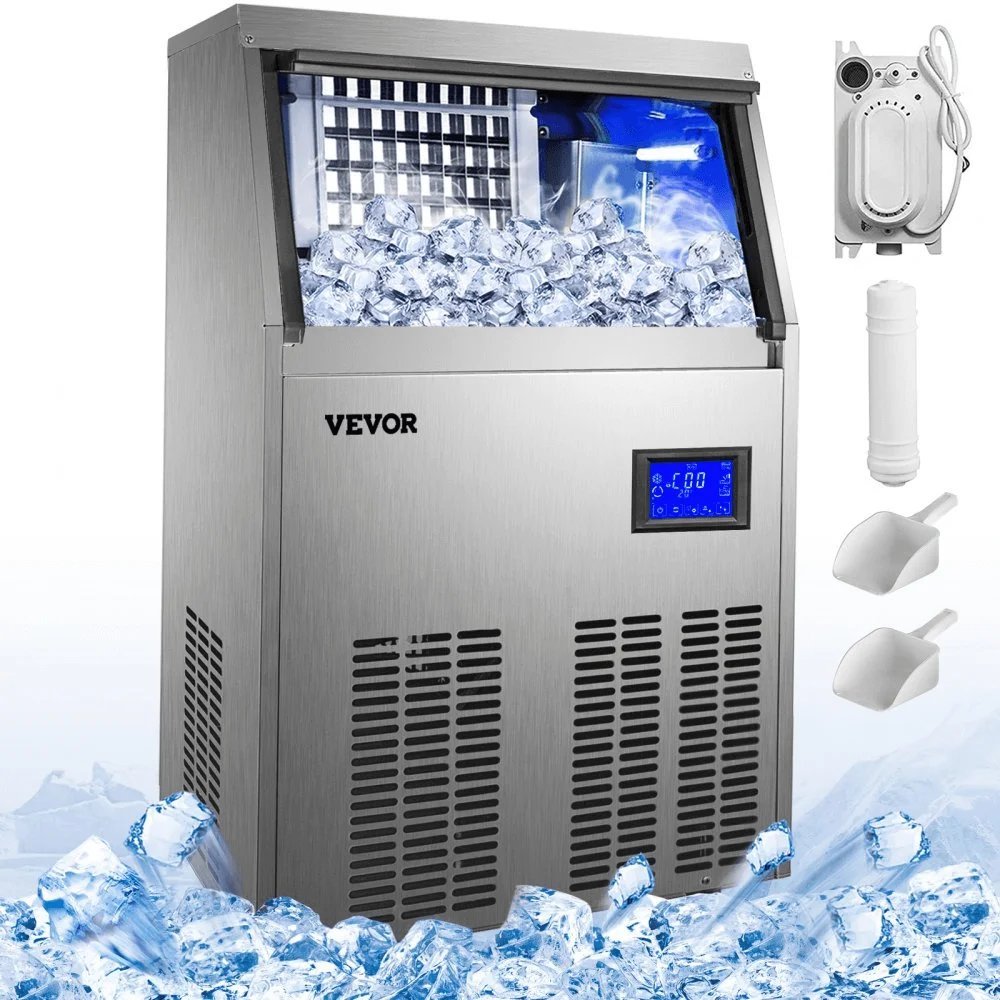
- Measure your available space, as built-in units require specific clearance for ventilation to prevent the compressor from overheating.
- Verify your water quality, as hard water buildup is the leading cause of premature failure in ice-making components.
- Hire a licensed plumber if your chosen model requires a permanent water connection, as improper installation often voids the manufacturer’s warranty.
- Sanitize the interior bin and the water reservoir using a solution of one part vinegar to ten parts water before your first use. Tip: Never use bleach on internal plastic components, as it can cause micro-cracking and lingering chemical odors.
Time requirements for ice production
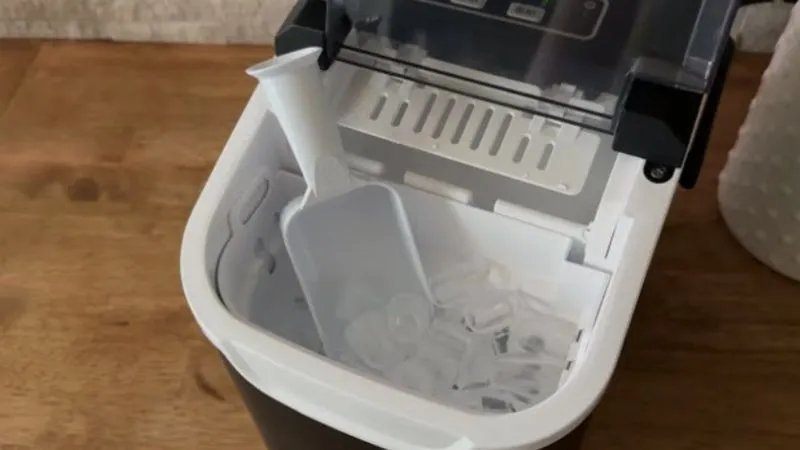
The time it takes to produce a full batch depends entirely on the ambient temperature and the water temperature entering the machine. These estimates assume a standard room temperature of 70°F and water intake at 50°F.
| Situation | How long | What changes it | What to watch for |
|---|---|---|---|
| Countertop model | 10–20 minutes | Ambient heat | Full bin sensor |
| Under-counter unit | 2–4 hours | Insulation quality | Water pressure |
If your machine is taking significantly longer than these ranges, check the air intake vents for dust or debris; if the vents are clear and the cycle remains sluggish, consult a professional technician to inspect the refrigerant levels.
Signs your ice is ready
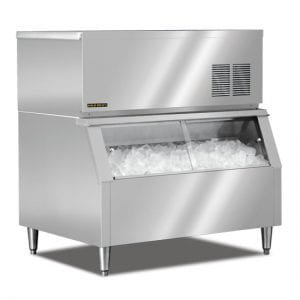
You can tell the machine is finished when the cycle indicator light turns solid or the harvest cycle ends and the ice drops into the bin. Listen for the sound of the machine stopping or the “clatter” of ice falling into the storage area. If you find the ice is slushy or melting, the bin may not be properly insulated or the ambient room temperature is too high. The ultimate test is the clarity and hardness of the cubes; clear, dense ice indicates the machine is operating at its peak efficiency, while cloudy or soft ice often suggests the water filtration system needs a replacement cartridge.
Common mistakes during setup
- Blocking the ventilation intake: Placing the machine against a wall or in a tight cabinet restricts airflow, which forces the motor to work harder and drastically shortens its lifespan.
- Ignoring water filtration: Using unfiltered water in areas with high mineral content causes limescale to coat the evaporator plate, which prevents the machine from freezing water into solid cubes. Install an inline filter to protect your investment.
- Overloading the storage bin: Filling the bin beyond the sensor line prevents the machine from cycling correctly and can cause the ice to melt and refreeze into a solid block. Remove excess ice manually if you need to clear space for new batches.
How much ice does a countertop machine make in a day?
Most countertop machines produce between 20 and 30 pounds of ice in a 24-hour period. This assumes you keep the reservoir filled and the machine remains powered on continuously, as these units don’t have large storage bins and must cycle frequently to keep up with demand.
Is it safe to leave an ice machine on all the time?
Yes, it’s safe to leave most modern machines on, as they feature automatic sensors that stop production when the bin is full. You should only turn the machine off if you plan to be away for more than a few days to prevent stagnant water from sitting in the reservoir.
Do I need a professional to install an ice machine?
No, you only need a professional for under-counter units that require a permanent water supply line and a drain. Countertop models are designed for “plug-and-play” use, requiring only a standard wall outlet and a manual fill of the water reservoir by the user.
Why is my ice machine making cloudy ice?
Cloudy ice is usually caused by trapped air bubbles or dissolved minerals in the water. While it’s safe to consume, you can improve the clarity by using distilled or filtered water and ensuring the machine’s internal cleaning cycle has been performed as recommended by the manufacturer.
How often should I clean my ice machine?
You should perform a full cleaning and descaling process every three to six months to prevent mold and mineral buildup. If you live in an area with particularly hard water, you may need to clean the internal components more frequently to maintain optimal ice quality and production speed.
Regular maintenance is the best way to ensure your machine lasts for many years. Always follow the specific cleaning steps in your user manual, as different models require specific solutions to avoid damaging the internal sensors or the ice-making plate.