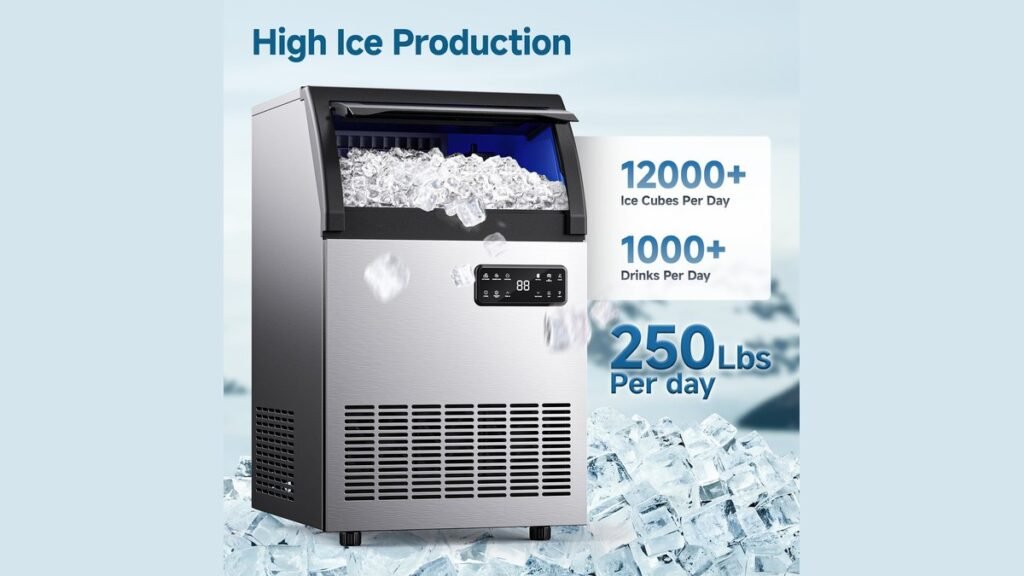
Choose a model based on your daily ice needs and available floor space.
Understanding ice production equipment
An ice machine freezes water into cubes, flakes, or nuggets for cooling drinks or food. Units are categorized by their daily production capacity in pounds. If you’re a homeowner, you typically need a model producing twenty to fifty pounds daily; commercial kitchens often require units exceeding five hundred pounds. Ambient heat reduces output, so choose a higher capacity unit for hot rooms.
Selecting the right unit
- Measure your available space, leaving at least six inches of clearance on all sides for airflow.
- Determine your daily ice consumption in pounds to select the correct production capacity.
- Check your water line pressure; most units require between twenty and eighty pounds per square inch to function correctly.
- Select the ice shape based on your use, as nugget ice melts faster than full-size cubes.
- Hire a licensed plumber to connect the water supply and drain line to prevent leaks and ensure compliance with local building codes.
- Test the first three cycles of ice production and discard them to flush out any manufacturing debris from the internal lines.
If you’re unsure about electrical requirements, always consult a certified electrician, as improper wiring can void your warranty and create a fire hazard.
Performance and capacity data
Capacity varies by model; for machines in a residential kitchen, assume the lower end of the range, while commercial units require professional sizing.
| Situation | Daily Capacity | Water Connection | Power Needs |
|---|---|---|---|
| Home Bar | 20–30 lbs | 1/4″ tubing | 115V Outlet |
| Small Office | 50–100 lbs | 1/4″ tubing | 115V Outlet |
| Restaurant | 300–600 lbs | 3/8″ or 1/2″ | 208-230V Hardwired |
| Large Hotel | 1000+ lbs | 1/2″ or larger | 208-230V Hardwired |
Achieving optimal results
Success depends on water quality and ventilation. Prioritize units with built-in filtration to prevent mineral buildup and mechanical failure. Use a water softener if your water is “hard” to prevent scale.
Monitor drainage. If the machine is below the main drain line, use an integrated drain pump. Improper drainage leads to bacterial growth.
Troubleshooting common issues
| What you notice | What it means | What to do first |
|---|---|---|
| Ice is cloudy | High mineral content | Install a water filter |
| Machine is loud | Improper leveling | Adjust the feet |
| No ice produced | Clogged water line | Check inlet valve |
| Slow production | Dirty condenser | Clean the air filter |
Regulatory and installation rules
Installation must follow local health department regulations regarding backflow prevention and drainage. If you’re operating a business, you must adhere to the U.S. Food and Drug Administration guidelines for food-contact surfaces, which require regular maintenance logs.
Maintenance and long-term care
Clean condenser coils regularly for proper heat exchange. Use manufacturer-approved nickel-safe cleaners to avoid damaging plating. When storing for over thirty days, drain the reservoir and leave the door ajar to prevent mold.
Choosing a different solution
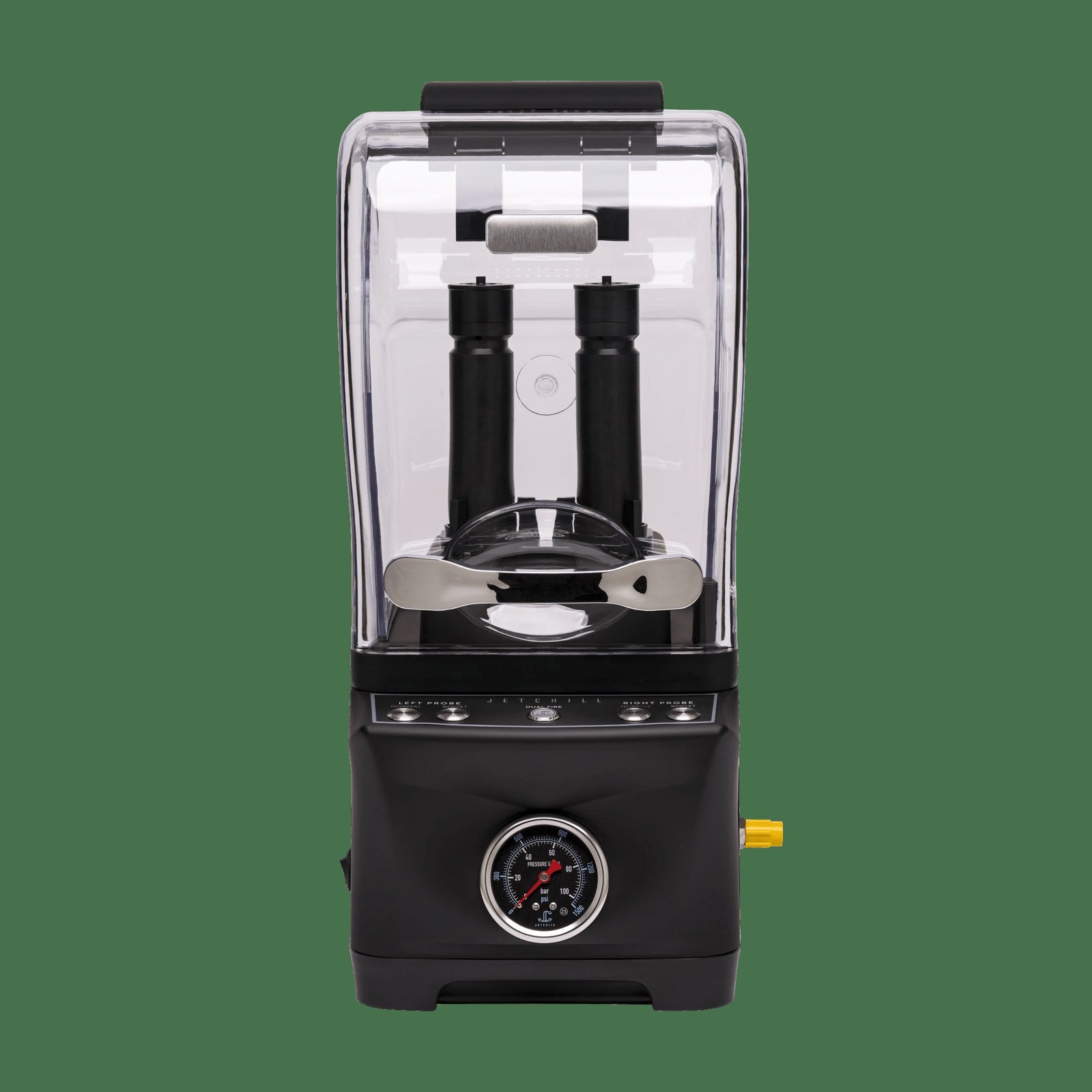
If you only need ice for occasional events, buying a machine is a poor investment; rent a portable unit instead. If you require specialized ice, such as clear gourmet spheres, a high-end dedicated machine is necessary, as standard units can’t produce the required clarity and density.
How much ice do I need per person?
You generally need one pound of ice per person for a standard event, though you should increase this to one and a half pounds if you’re serving cocktails.
Is it safe to leave the machine on all day?
Yes, these units are designed to run continuously, but you must ensure the bin has a high-limit sensor that stops production automatically once the ice reaches the bin’s capacity.
How often should I clean the machine?
You must clean and sanitize the unit according to the schedule specified in your manufacturer’s manual.
Why is my ice machine leaking water?
Leaking is usually caused by a blocked drain line or a cracked water feed tube; check the drain for debris before calling a professional technician for repairs.
How long does a typical ice machine last?
Most residential models last for years with regular maintenance and filter changes.
Proper installation and regular cleaning will keep your machine producing clean, fresh ice for years. If you notice burning smells or grinding, turn off the breaker and contact a technician; these units aren’t safe for DIY repair.
Ice machine, in short
Once you’ve cleared a spot for your new appliance, you’ll be ready to enjoy chilled drinks whenever you want. Don’t forget to check your water line connection before the delivery arrives. It’s a simple setup that’ll make hosting friends much easier, so you won’t have to worry about running out of ice again.
Related guides